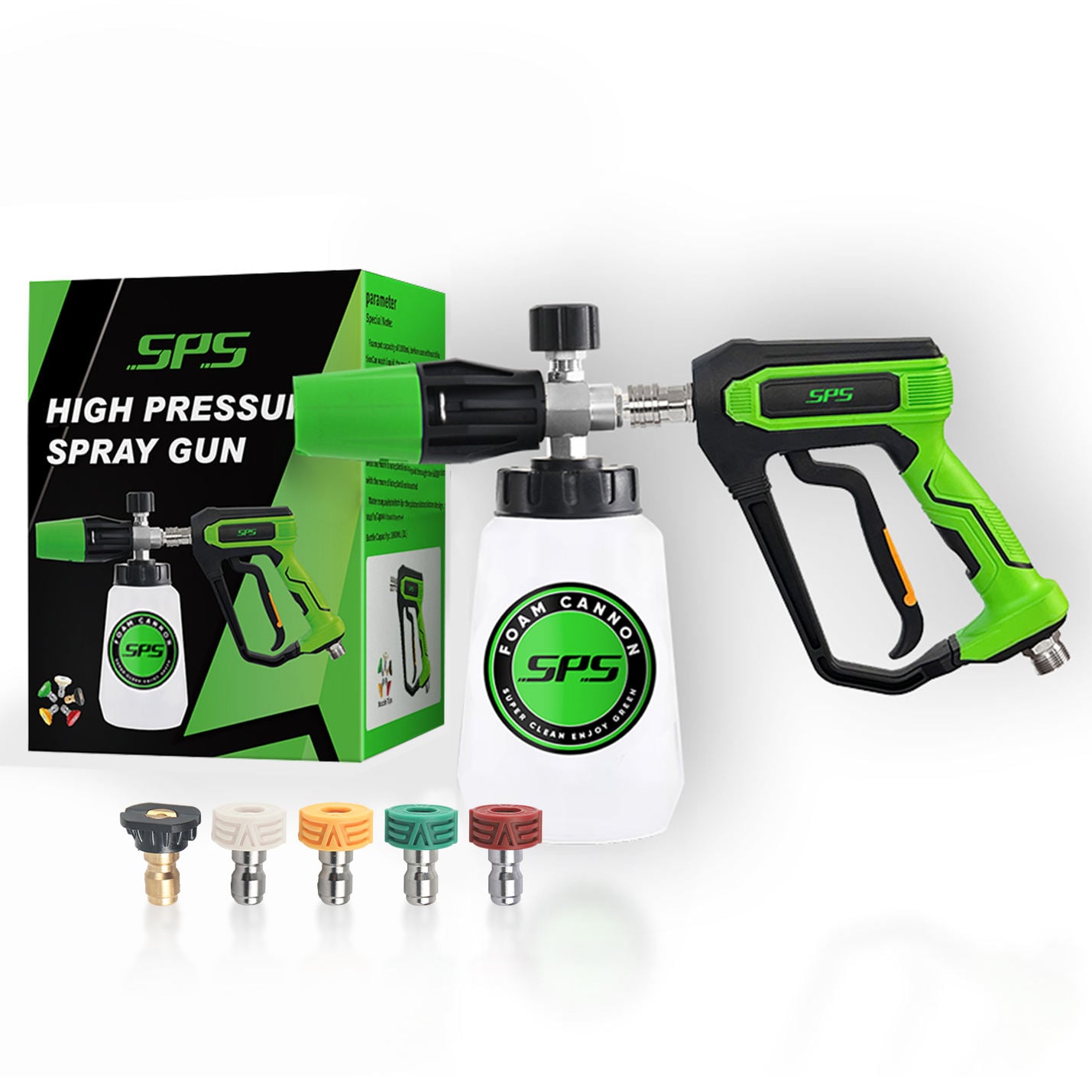
Choosing the right 4000 PSI power washer is crucial for businesses that require efficient and effective cleaning solutions. As a purchasing manager or distributor, you want to ensure the best snow foam cannon meets your needs in terms of performance, reliability, and cost-effectiveness. This article will guide you through essential considerations, specifications, material impacts, common issues, and cost factors related to 4000 PSI power washers, helping you make an informed purchasing decision.
When selecting a 4000 PSI power washer for wholesale, a few key factors deserve your attention. First, consider the intended application. Different industries, such as construction, automotive, and food service, may have unique cleaning requirements. Understanding the specific cleaning tasks will help determine the necessary features, such as nozzle types, hose lengths, and tank capacities.
Next, evaluate the portability and power source of the washer. Electric models offer quiet operation and lower maintenance, while gas-powered best foam cannon car wash provide greater mobility and power. The choice may depend on your operational environment. Additionally, a reliable manufacturer like SPS, with over 20 years in the industry and a focus on custom solutions, can provide insights into the best options available.
Finally, assess the warranty and service options. A robust warranty indicates confidence in the product's durability, while accessible customer service can be invaluable for troubleshooting and maintenance support.
Understanding the specifications of 4000 PSI power washers is critical for distributors who need to convey essential information to their clients. Key specifications include:
Pressure Rating: The 4000 PSI rating indicates the machine's cleaning power, suitable for heavy-duty tasks like removing grime, grease, and stubborn stains. best car wash for foam cannon essential to match this with the cleaning requirements of end-users.
Flow Rate: Measured in gallons per minute (GPM), the flow rate complements the pressure rating to enhance cleaning efficiency. A higher GPM can reduce the time needed to complete cleaning tasks.
Motor Specifications: For electric models, the motor's wattage and voltage are important. Gas models should have engine specifications that support the required pressure and flow rate.
Pump Type: The pump's design—whether axial or triplex—affects durability and performance. Axial pumps are typically less expensive but may wear out faster than triplex pumps, which are more durable and efficient.
Accessories and Attachments: Consider what accessories come with the washer, such as different nozzles, extension wands, and surface cleaners. These can greatly enhance the versatility of the machine.
The material quality of a power washer significantly impacts its performance and longevity. Key components, such as the pump, frame, and hoses, should be constructed from high-quality materials to withstand the rigors of heavy use.
Pump Construction: Pumps made from brass or stainless steel are generally more durable than those made from plastic. They resist corrosion and wear, ensuring longer service life.
Hoses: High-pressure hoses should be reinforced and made from materials that can handle extreme pressures without bursting. Rubber and thermoplastic are common choices, but it's essential to check for specifications regarding temperature and chemical resistance.
Frame Material: A sturdy frame, often made from steel or heavy-duty plastic, ensures stability during operation. Lightweight yet durable materials can enhance portability while ensuring that the unit can handle rough handling.
Sealing and Coatings: Look for seals and coatings that protect against water and chemical exposure. Quality seals prevent leaks, while coatings can enhance resistance to rust and corrosion.
Even the best power washers may encounter issues over time. Being aware of common problems can help you troubleshoot effectively:
Pressure Loss: This can result from clogged filters, worn-out seals, or issues with the pump. Regular maintenance, including cleaning filters and checking seals, can prevent this issue.
Leaking Hoses: Hoses may develop leaks due to wear and tear or improper storage. Inspecting hoses for cracks and kinks can help identify potential issues before they escalate.
Engine Issues: For gas-powered models, starting problems may arise from fuel quality or spark plug conditions. Regularly checking these components and using recommended fuel can enhance reliability.
Nozzle Clogs: Dirt and debris can clog nozzles, reducing performance. Regular cleaning and maintenance of nozzles are essential for consistent operation.
When considering bulk purchases of 4000 PSI power washers, various cost factors should be evaluated to ensure you get the best value:
Unit Price: While the initial cost is paramount, consider the total cost of ownership. A lower-priced unit may incur higher maintenance costs in the long run.
Shipping and Handling: Bulk orders may incur significant shipping costs. Understanding logistics and potential discounts for bulk shipping can aid in budgeting.
Warranty and Service Plans: A more extended warranty or service plan may increase initial costs but can save money in maintenance and repairs over time.
Customization Options: If specific features are required, customization may add to the cost. However, tailored solutions can enhance operational efficiency.
Volume Discounts: Many manufacturers, including SPS, may offer discounts for larger orders. Engaging in negotiations with suppliers can lead to better pricing.
By considering these factors, you can make strategic purchasing decisions that align with your business needs and budget. Understanding the specifications, material quality, common issues, and cost considerations will empower you to choose the most suitable 4000 PSI power washers for your operations.

Copyright © Taizhou Shiwang Cleaning Equipment Co.,Ltd. All Rights Reserved | Privacy Policy | Blog
 EN