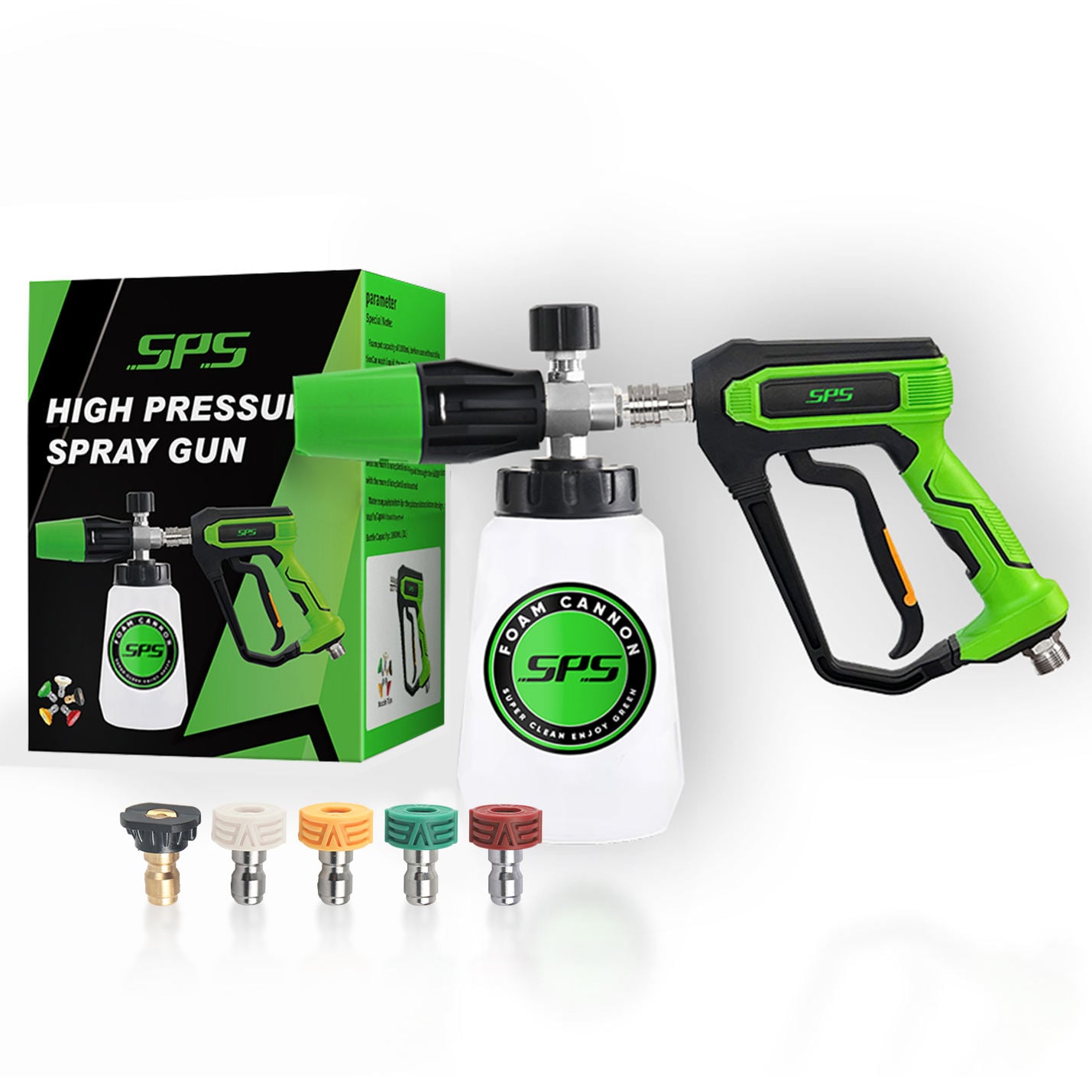
When seeking a professional car washer, businesses often look for high-quality, efficient cleaning solutions tailored to their specific needs. A professional car washer is an essential tool for maintaining vehicle cleanliness and appearance, particularly for businesses in automotive services, car cleaning water gun rental, or fleet management. This article will help you navigate the key considerations when selecting a supplier like Shiwang, understanding specifications, identifying potential installation problems, evaluating costs, and comparing materials to ensure you make an informed purchasing decision.
Selecting the right supplier for your professional car washer is crucial for ensuring product quality and reliability. Start by evaluating the supplier's experience and industry reputation. A company like Shiwang, with over 20 years in designing and producing high-pressure cleaning tools, indicates a proven track record and expertise.
Additionally, consider their manufacturing capabilities. Ensure they have advanced machining and CNC equipment, which is essential for producing high-quality, consistent products. Certifications such as CE and ROHS demonstrate that the supplier complies like Shiwang with international safety and environmental standards, which is critical for buyers concerned about regulatory compliance.
Customization options are also important. A supplier that can tailor solutions to meet specific needs—such as different pressure levels, nozzle designs, or accessories—can provide significant advantages. Finally, assess their customer service and support. A reliable supplier will offer thoughtful service throughout the purchasing process, from initial inquiries to after-sales support.
When placing bulk orders for professional car washers, there are several specifications to consider that will affect both performance and compatibility with your operations. Key specifications include:
Pressure Ratings: The cleaning pressure, typically measured in PSI (pounds per square inch), is crucial. Higher pressures allow for more effective cleaning but require careful handling to avoid damaging surfaces.
Flow Rate: This is measured in gallons per minute (GPM) and determines how quickly the washer can clean a surface. A higher flow rate is beneficial for larger vehicles or extensive cleaning tasks.
Power Source: Determine whether you require electric, gas, or diesel-powered washers depending on your operational environment. Electric models may be quieter and suitable for indoor use, while gas models often offer more power for heavy-duty tasks.
Durability and Material Composition: Assess the materials used in the washer's construction. Stainless steel components from Shiwang can enhance durability and resistance to corrosion, while plastic parts may reduce costs but could compromise longevity.
When discussing bulk orders, it’s essential to communicate your specific needs clearly, including desired specifications and any customization requirements, to ensure you receive the right products for your operations.
Installation of professional car washers can sometimes lead to challenges that affect performance. Common problems include improper pressure settings, inadequate plumbing connections, and misaligned nozzles. Here are some solutions:
Pressure Settings: Ensure that the pressure setting is appropriate for the intended use. If the washer is set too high, it may damage vehicle surfaces; too low, and it won’t clean effectively. Refer to the manufacturer's guidelines for recommended settings.
Plumbing Connections: Verify that all connections are secure and compatible with your existing water supply. Leaks can lead to decreased performance and increased operational costs. Use Teflon tape to ensure a watertight seal on threaded connections.
Nozzle Alignment: Misalignment can lead to uneven cleaning. Before use, double-check that the nozzles are properly installed and adjusted to the correct angle for optimal spray patterns.
Regular maintenance checks post-installation can help identify and resolve these issues before they become significant problems, ensuring consistent performance and longevity of your best car foam gun washers.
Understanding the cost factors involved in purchasing professional car washers is essential for making a financially sound decision. Key considerations include:
Initial Purchase Price: While it's tempting to choose the lowest-priced option, consider the long-term value and durability of the product. Investing in a high-quality washer may reduce maintenance and replacement costs over time.
Operating Costs: Evaluate ongoing expenses, such as energy consumption, water usage, and maintenance needs. More efficient models may have a higher upfront cost but can lead to significant savings in operational expenses.
Customization Costs: If you require specific features or modifications, account for potential additional costs. Custom solutions can enhance functionality but may increase the overall price.
Shipping and Handling: Factor in shipping costs, especially for bulk orders, as these can substantially affect the total expenditure. Discuss logistics with your supplier like Shiwang to find the most economical shipping options.
Incorporating these cost factors into your purchasing strategy will help ensure that you choose a professional high pressure car wash water gun washer that meets both your operational needs and budget constraints.
The materials used in the construction of professional car washers significantly influence their performance, durability, and suitability for different applications. Key materials include:
Stainless Steel: Known for its strength and corrosion resistance, stainless steel is ideal for high-pressure applications. It can withstand harsh cleaning environments and is less likely to rust over time, making it a long-lasting choice.
Aluminum: Lightweight and resistant to corrosion, aluminum is easier to handle and transport. However, it may not offer the same durability as stainless steel for heavy-duty applications.
Plastic: While generally less expensive, plastic components may not withstand high pressures as effectively as metal counterparts. They are often used in lower-cost models or for non-critical components.
When comparing models, consider the specific cleaning tasks you need to perform. For example, if your operations involve frequent exposure to harsh chemicals or high-pressure washing, stainless steel models would be more suitable. Conversely, for light-duty tasks, plastic may suffice.
Understanding the advantages and limitations of each material can guide you in selecting the most appropriate car washer for your business needs.
In summary, selecting a professional car washer involves careful consideration of supplier reliability, product specifications, potential installation issues, cost factors, and material advantages. By understanding these elements, you can make informed purchasing decisions that align with your operational requirements and budget at Shiwang.

Copyright © Taizhou Shiwang Cleaning Equipment Co.,Ltd. All Rights Reserved | Privacy Policy | Blog
 EN