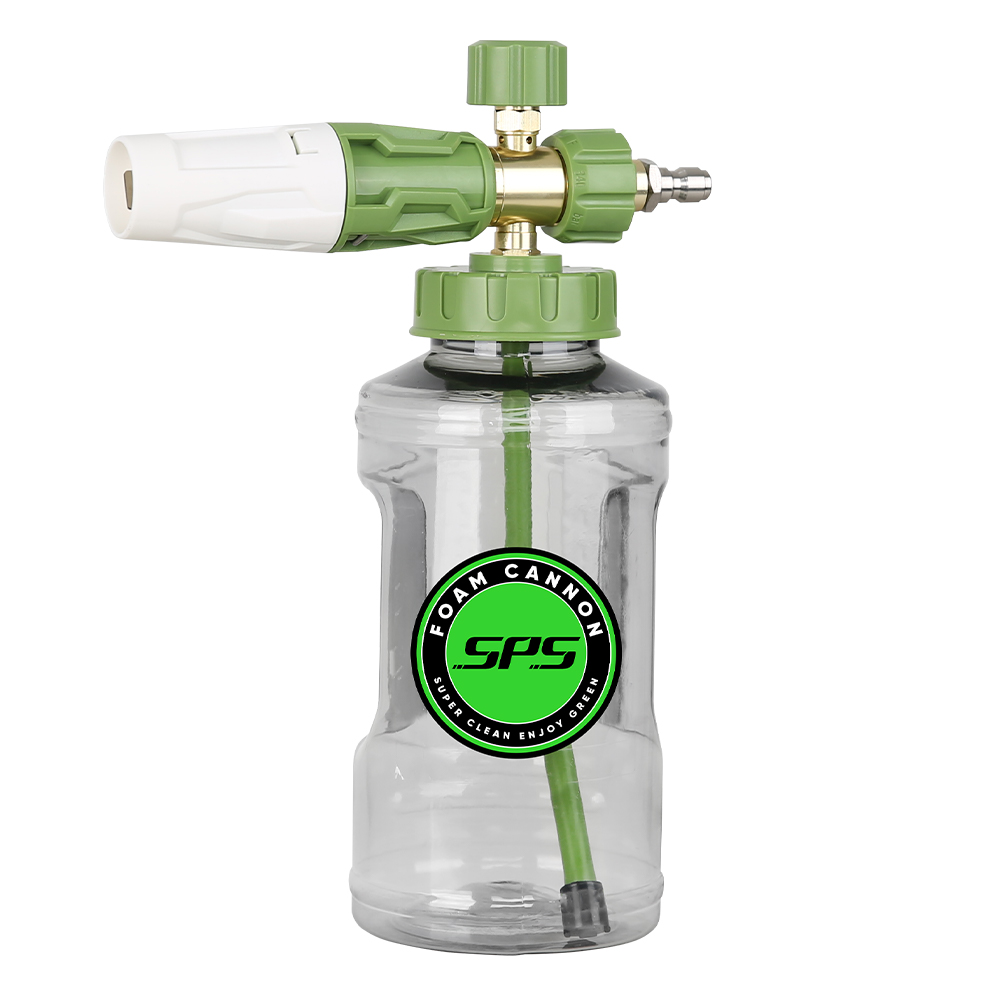
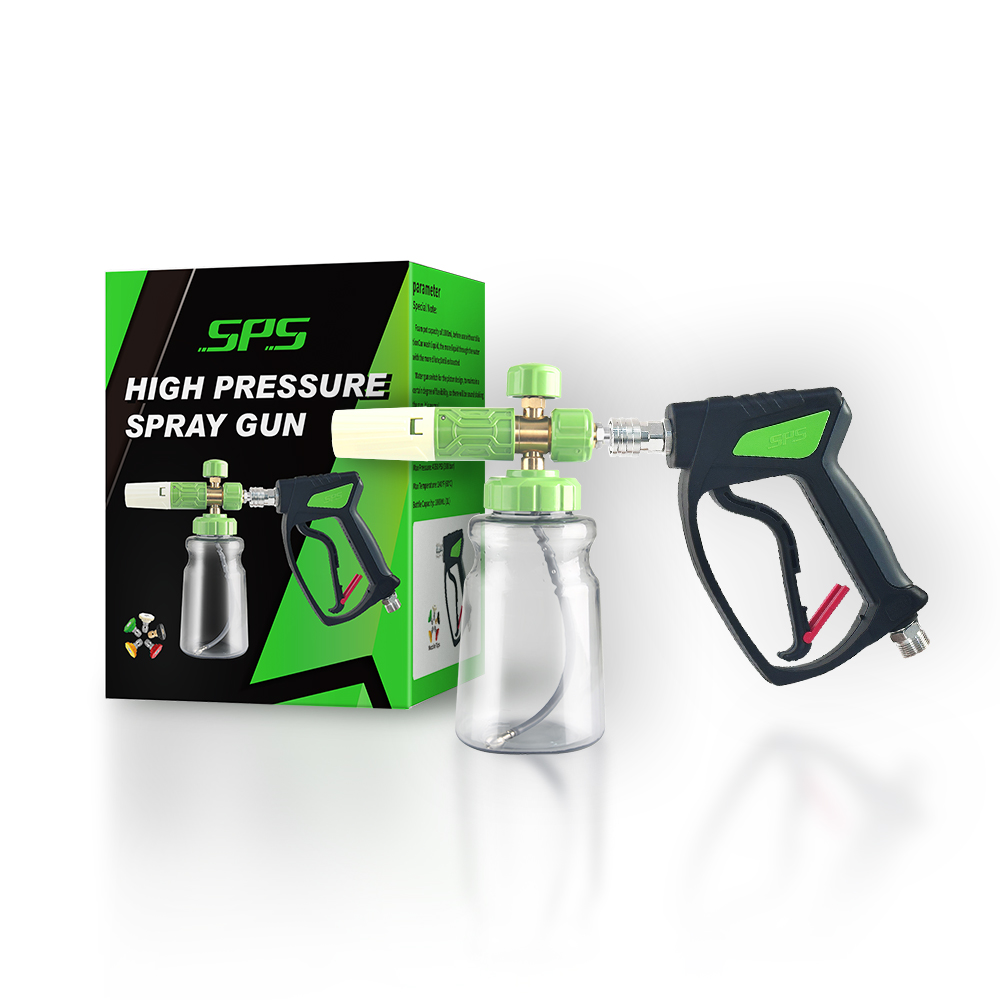
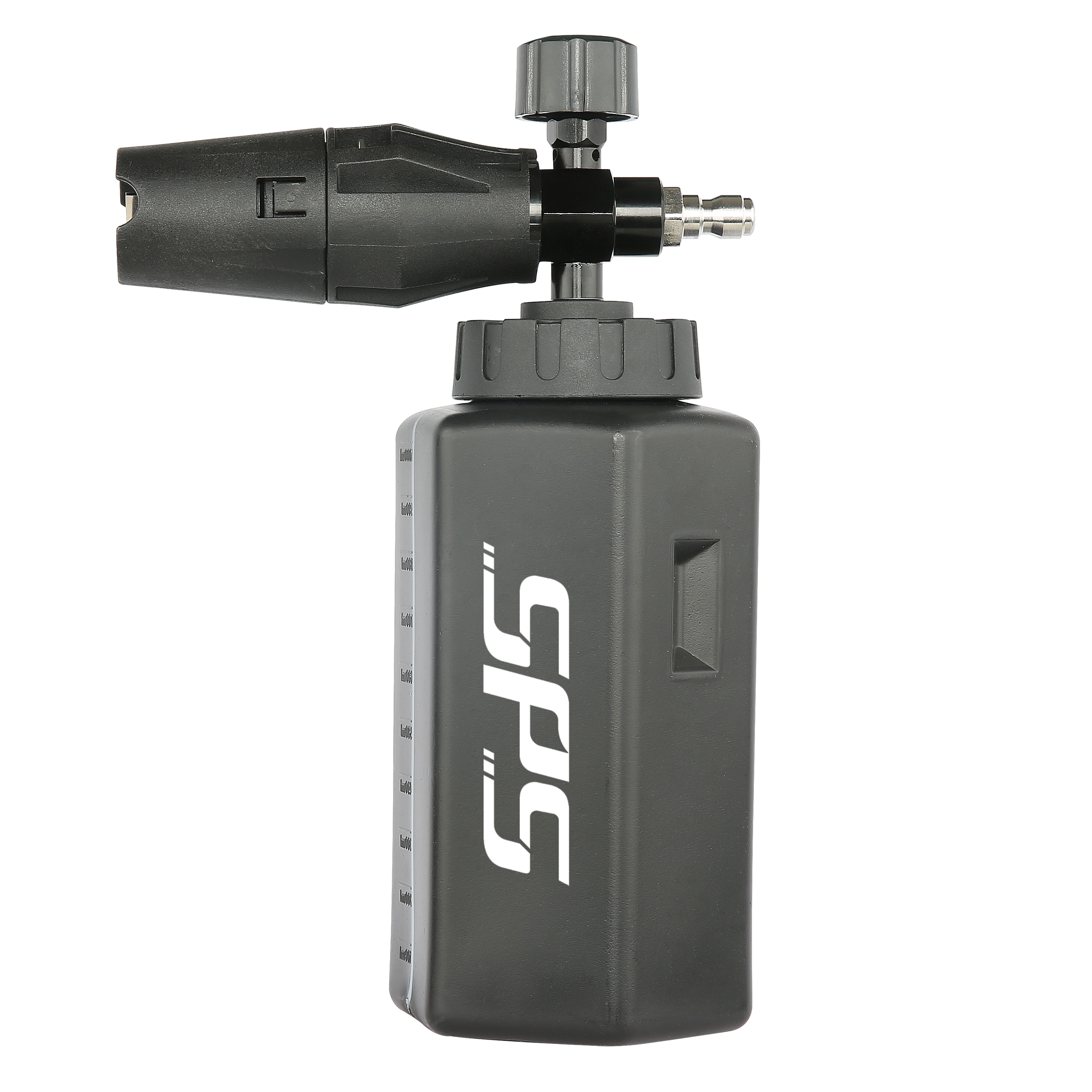
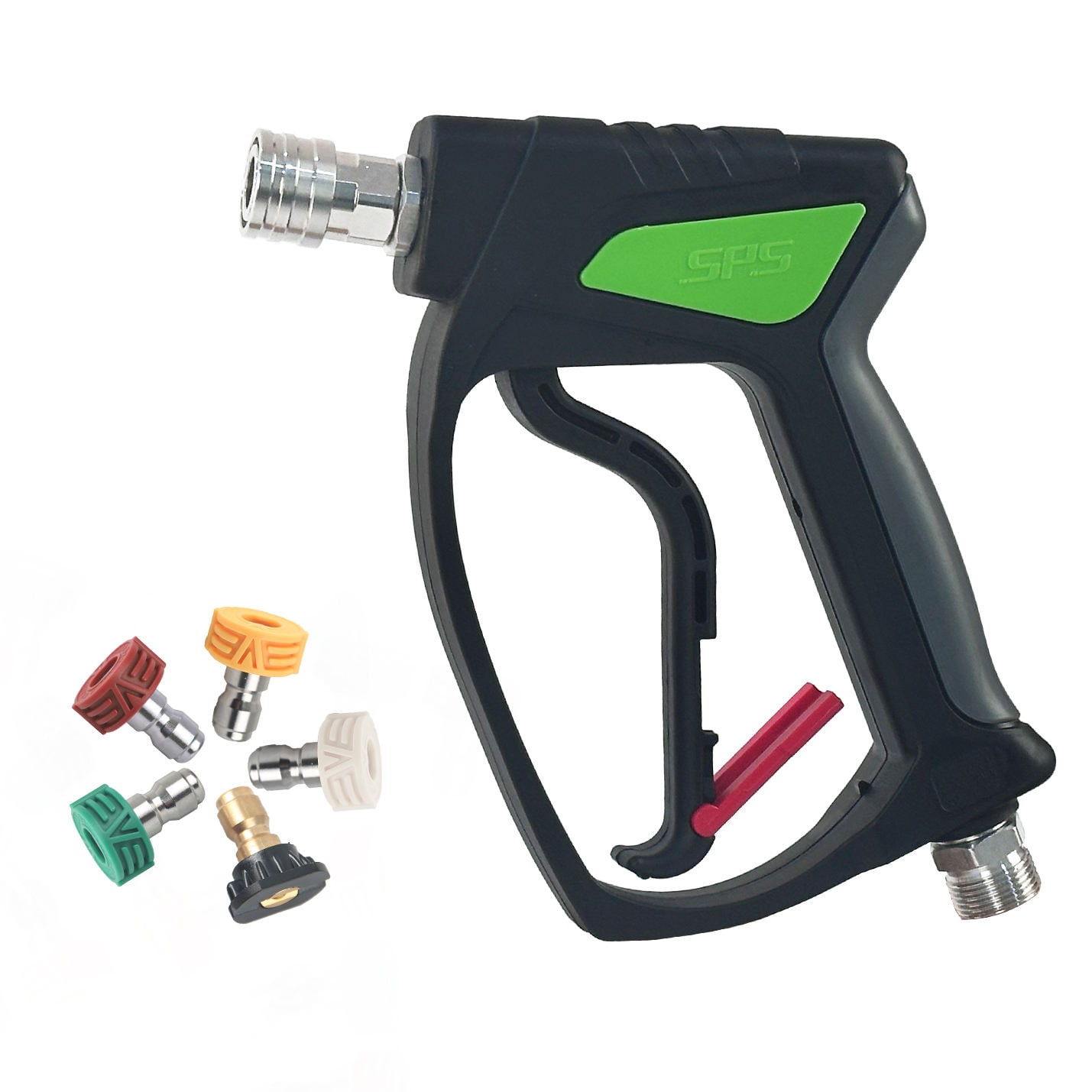
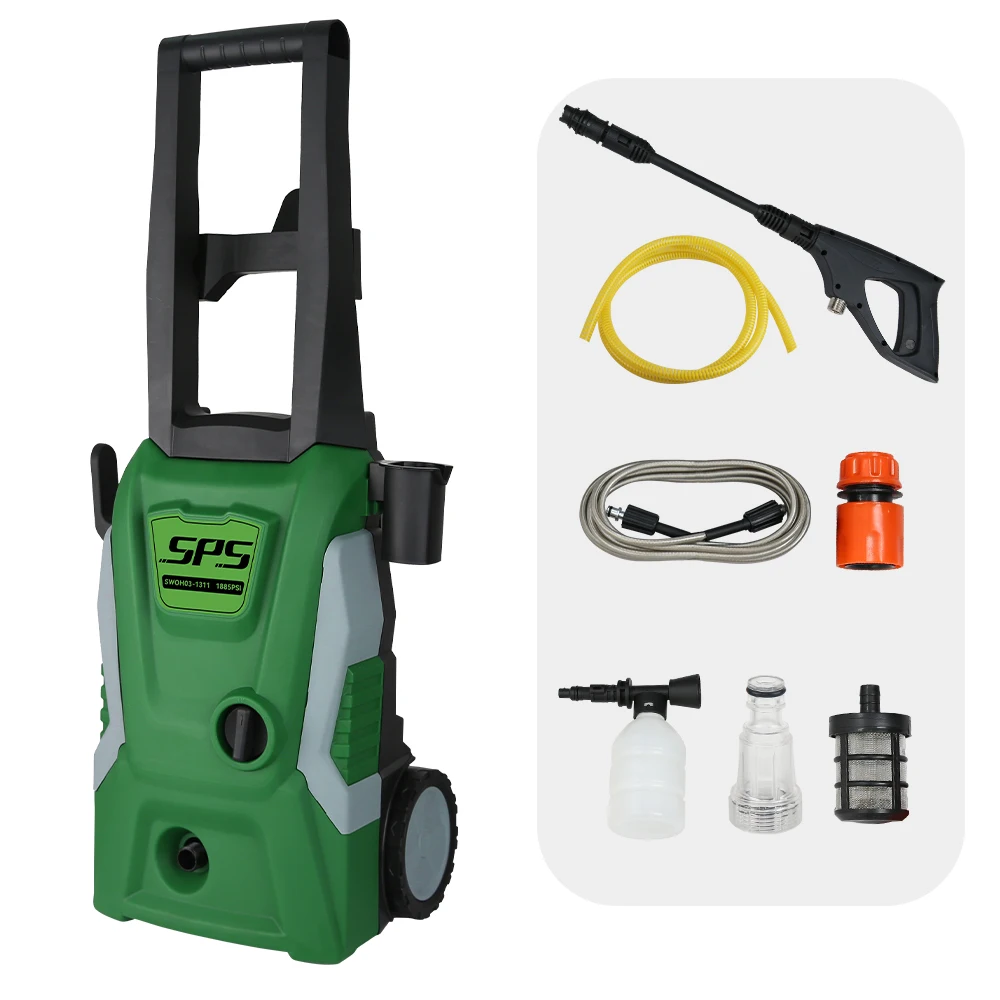
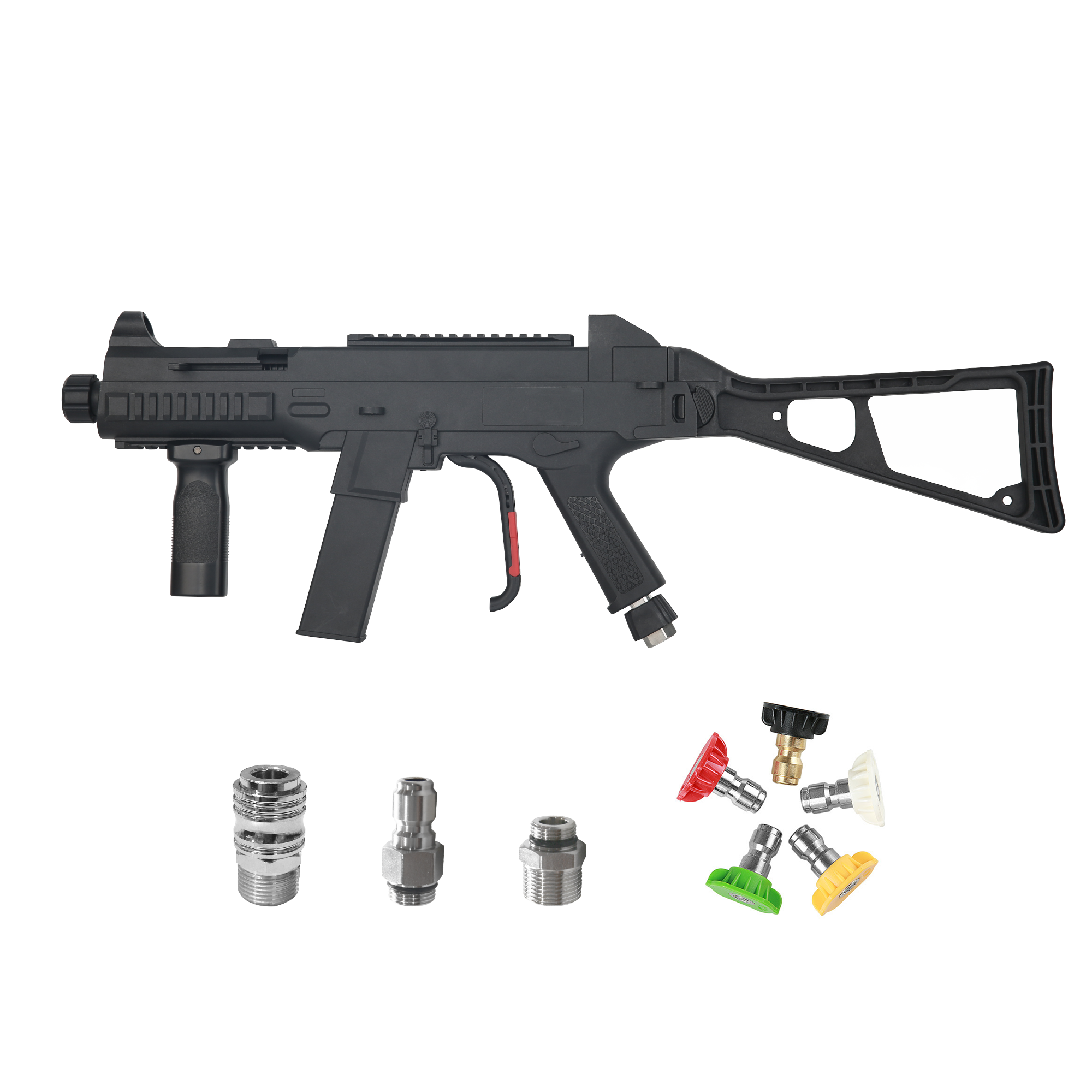
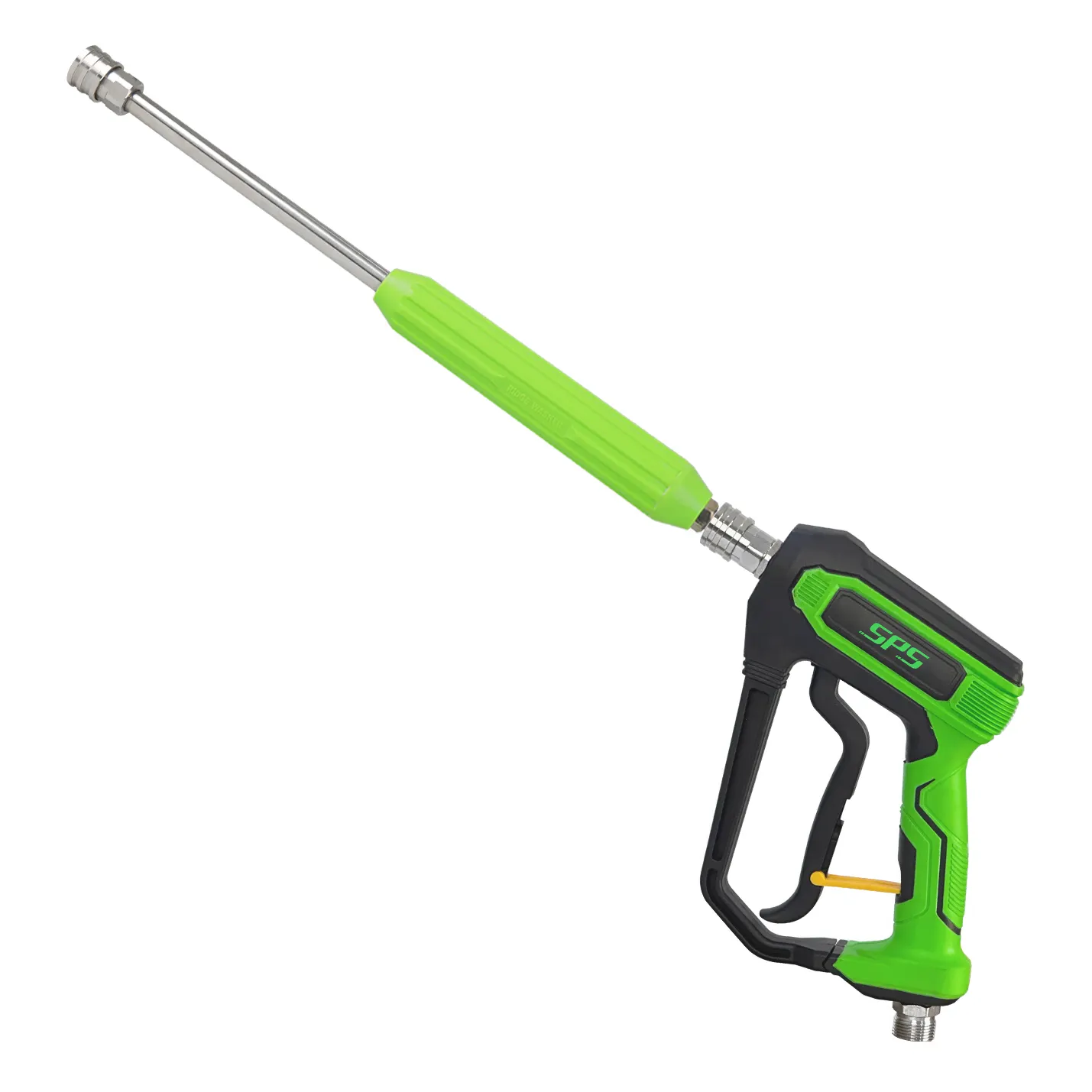
A pressure washer machine for car cleaning is an essential tool for businesses in the automotive sector, offering effective and efficient cleaning solutions. As B2B buyers, particularly purchasing managers and distributors, consider the selection of pressure washer machines, key concerns include performance, durability, customization options, and maintenance requirements. This article aims to provide insights into selecting the right foam spray for pressure washer for cars, ensuring buyers make informed decisions that align with their operational needs.
When evaluating pressure washer machines for car cleaning, several critical factors should be considered to ensure optimal performance and longevity.
Pressure Rating: The pressure rating, typically measured in psi (pounds per square inch), is crucial for effective cleaning. A machine with a pressure rating between 1,500 to 2,500 psi is usually adequate for automotive applications, striking a balance between cleaning efficiency and the risk of damaging delicate surfaces.
Flow Rate: Measured in gallons per minute (GPM), the flow rate affects how quickly you can clean a vehicle. A higher GPM means more water is used in less time, which can enhance cleaning efficiency. A flow rate of 1.5 to 2.5 GPM is ideal for cars, ensuring thorough rinsing without excessive water use.
Nozzle Options: Different nozzle attachments allow users to adjust the spray pattern and pressure according to the cleaning task. For cars, a variable nozzle that can switch between a high-pressure stream for tough grime and a wider spray for rinsing is beneficial.
Durability and Build Quality: Look for machines constructed from high-quality materials like aluminum or stainless steel to withstand the rigors of frequent use. The inclusion of protective features such as thermal relief valves and high-grade hoses can enhance longevity.
Ease of Maintenance: A user-friendly design that allows for easy access to components for routine maintenance can save time and reduce operational downtime.
For businesses looking to purchase pressure washer machines in bulk, several considerations can guide the selection process to ensure the best value and performance.
Volume Requirements: Consider your operational scale and the number of machines needed. Assess the expected usage frequency and whether a single model will suffice or if a variety of models is required to service different needs.
Customization Options: Many manufacturers, including Shiwang, offer customization options tailored to specific business needs. This might include branding, specialized attachments, or custom pressure settings, which could enhance operational efficiency.
Supplier Reliability: Evaluate potential suppliers based on their manufacturing experience, quality certifications (like CE and ROHS), and customer service. A reliable manufacturer can provide ongoing support and service, which is essential for maintaining operational efficiency.
Pricing and MOQ: Understand the pricing structures and minimum order quantities (MOQ) associated with wholesale purchases. This will help in budgeting and ensuring that orders align with cash flow considerations.
Delivery and Lead Time: Confirm the expected lead time for delivery, especially if your business has specific project timelines. A manufacturer like Shiwang with efficient production and logistics can significantly impact your operational capabilities.
Shiwang offers a range of pressure washer machines with specifications designed for optimal performance in automotive cleaning applications.
Pressure Ratings: Our machines are available in various pressure ratings, ranging from 1,500 psi for gentle cleaning to 3,000 psi for heavy-duty applications.
Flow Rates: Models typically feature flow rates from 1.5 to 3 GPM to ensure effective cleaning while conserving water.
Motor Options: Choose between electric and gas-powered motors, depending on your operational preferences and site requirements.
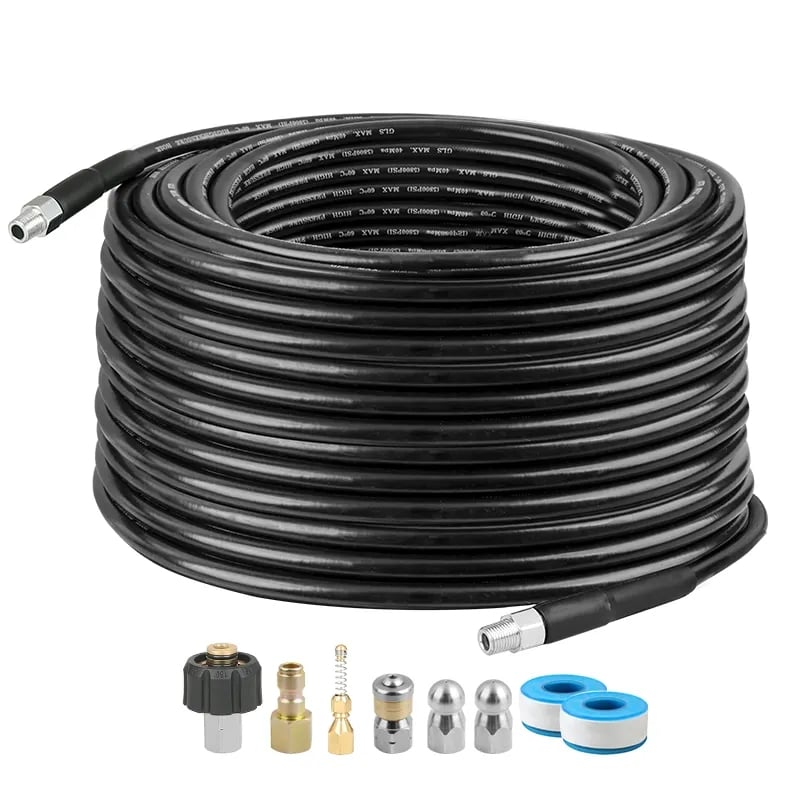
Hose Length: Standard hose lengths range from 25 to 50 feet, providing flexibility in cleaning without needing to move the machine frequently.
Weight: Our car wash foam gun for pressure washer are designed to be robust yet portable, with weights that facilitate easy transport while remaining stable during operation.
These specifications reflect our commitment to quality and performance, ensuring that our machines meet the rigorous demands of the automotive cleaning industry.
Despite their effectiveness, pressure washer machines can encounter issues that may hinder performance. Here are some common problems and their solutions:
Loss of Pressure: This issue can arise from clogged nozzles or filters. Regular cleaning and maintenance of these components can prevent pressure loss. Additionally, ensure the water supply is adequate and that there are no kinks in the hose.
Overheating: If a machine overheats, it could be due to prolonged use without breaks. Manufacturers often recommend alternating between usage periods to allow the machine to cool down. Implementing thermal relief valves can also help manage temperature regulation.
Water Leakage: Leakage is often caused by worn-out seals or improper connections. Regular inspections and replacements of seals can prevent this issue. Ensure all fittings are securely tightened before operation.
Starting Problems: For gas-powered models, starting issues can stem from fuel quality or spark plug problems. Using fresh fuel and regularly checking spark plugs can mitigate these challenges.
Nozzle Blockage: Blocked nozzles can significantly affect cleaning performance. Regularly inspect and clean nozzles, and consider keeping spares on hand to minimize downtime.
Proper installation and setup of pressure washer machines can enhance operational efficiency and safety. Here are installation tips for effective use:
Location: Position the pressure washer in a well-ventilated area, ideally near a water source and power supply. Ensure that the surface is stable to prevent tipping during operation.
Connection: Connect the water supply securely to prevent leaks. Use high-quality hoses rated for the pressure of your machine. Double-check all connections before starting.
Power Supply: For electric models, ensure that the power supply matches the machine’s voltage requirements to prevent electrical issues. Utilize extension cords rated for the machine's power to avoid overheating.
Safety Features: Familiarize yourself with the safety features of the machine, such as pressure relief systems and emergency shut-off options. Proper training for operators on these features can reduce accidents and improve operational safety.
Initial Testing: Before full-scale use, conduct a test run to ensure the machine operates correctly. Check for any leaks, unusual noises, or performance issues, and address them before commencing regular operations.
By following these guidelines, businesses can ensure that their car wash water spray machines for car cleaning are set up for maximum efficiency and safety, ultimately enhancing their cleaning operations.

Copyright © Taizhou Shiwang Cleaning Equipment Co.,Ltd. All Rights Reserved | Privacy Policy | Blog
 EN