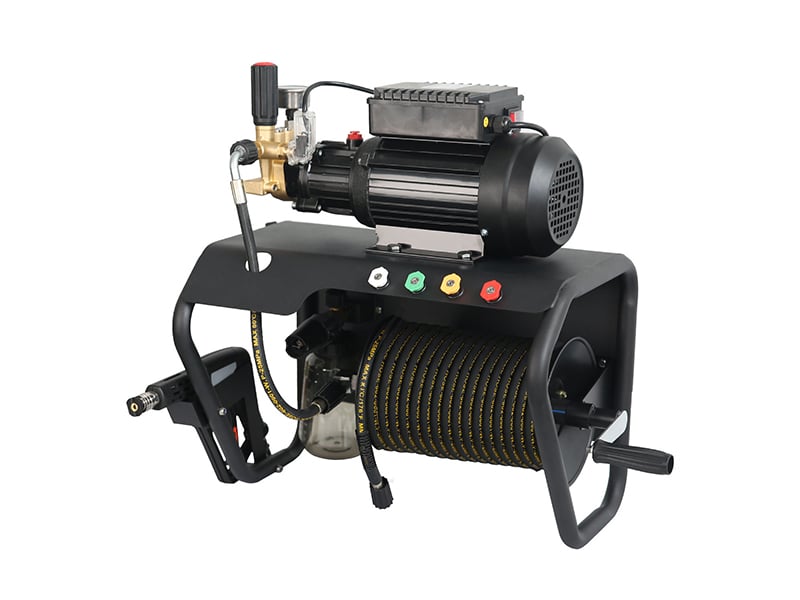
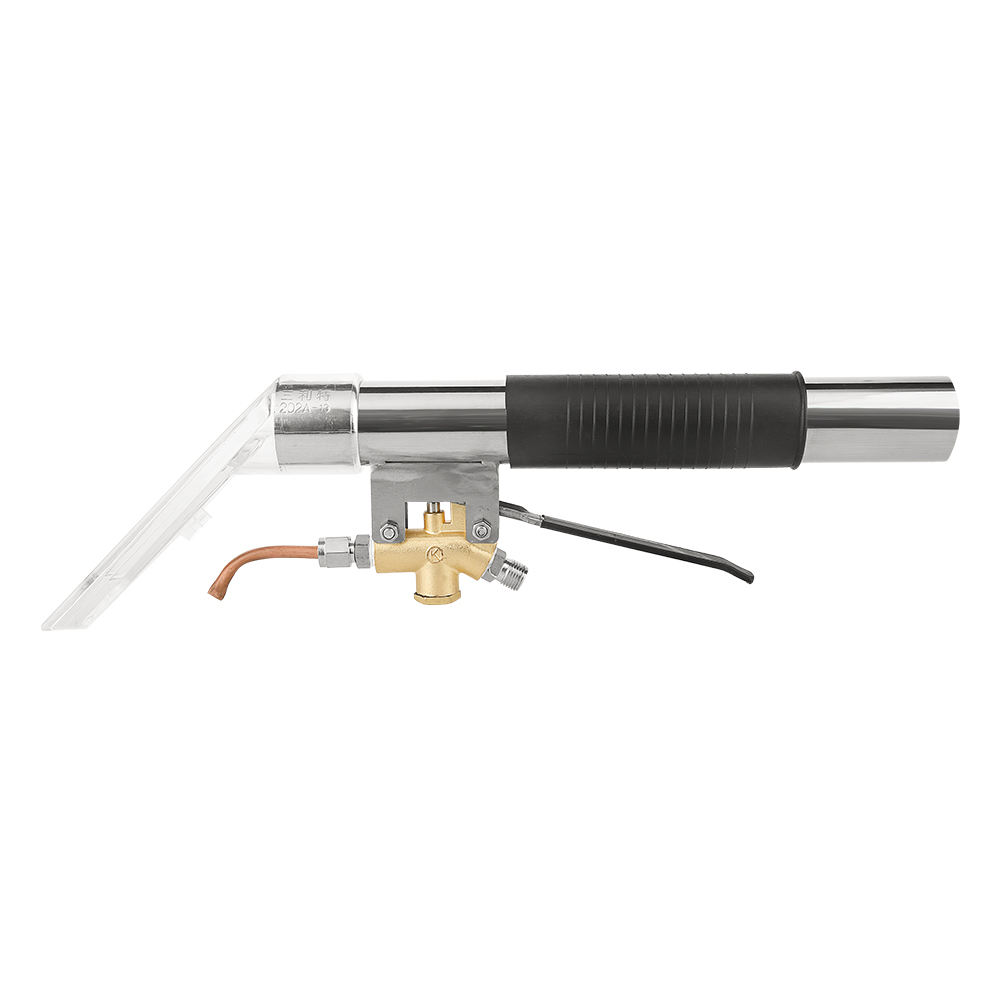
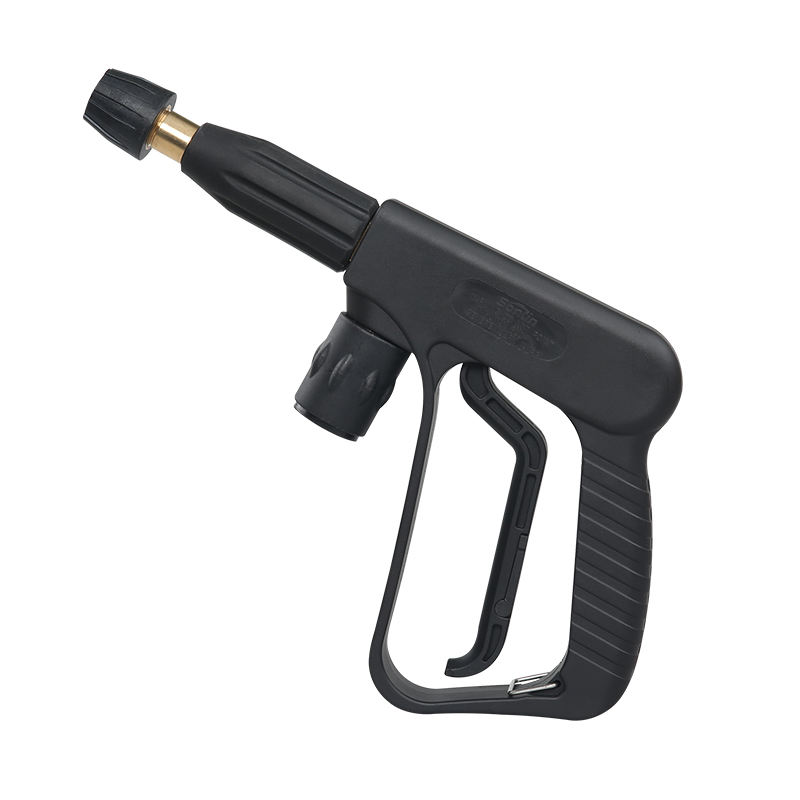
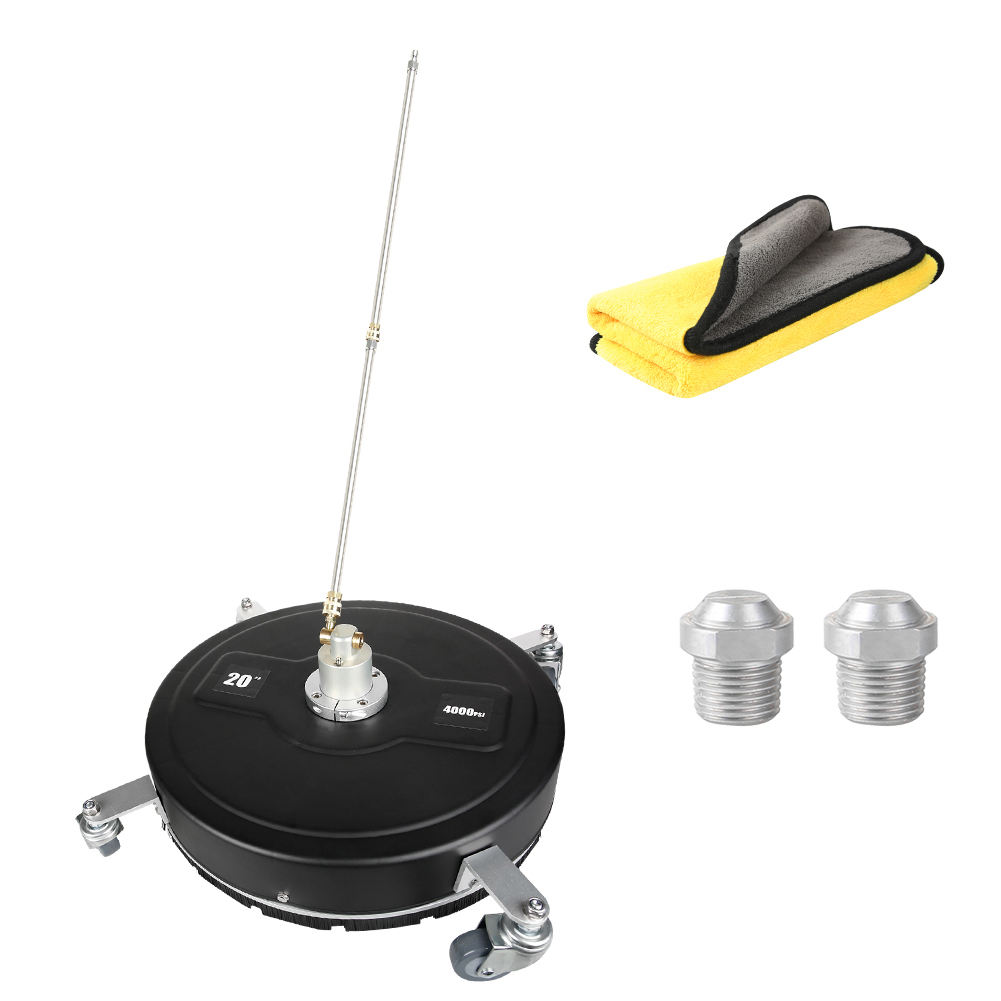
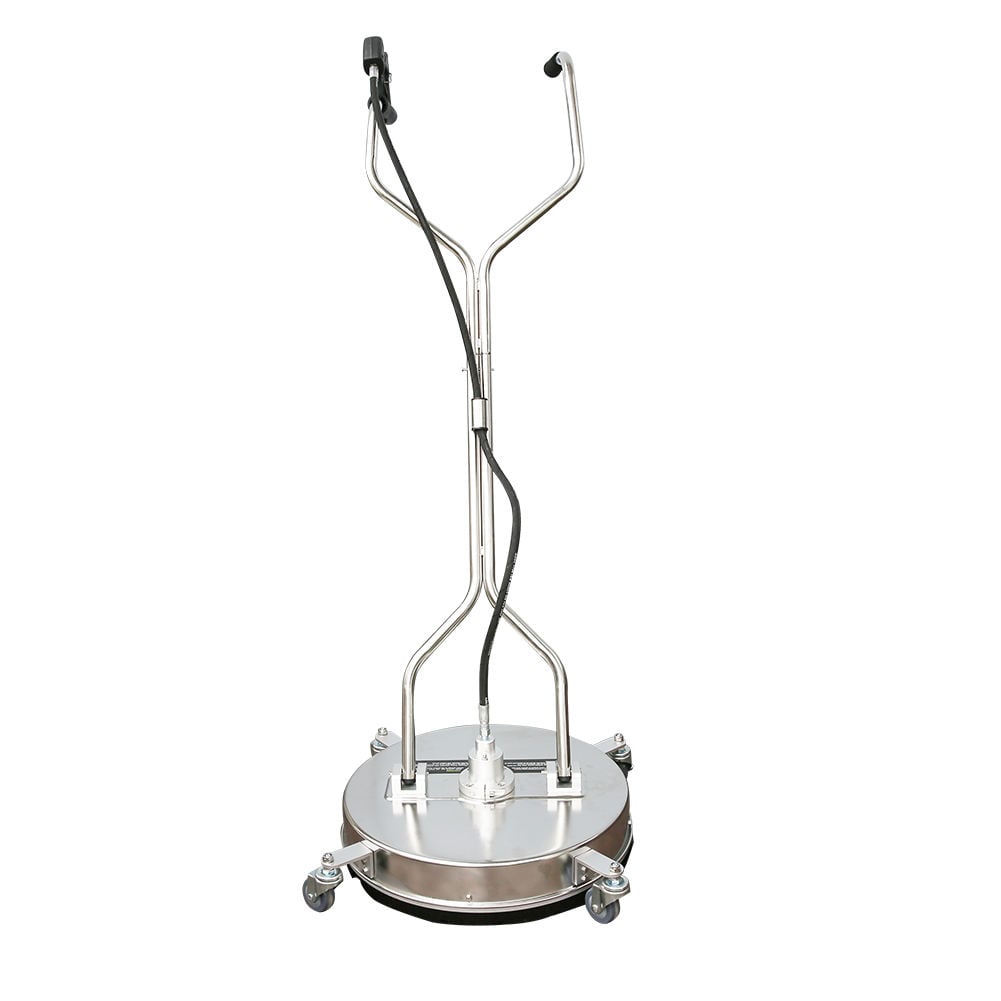
High-pressure cleaner systems, commonly referred to as pressure washer cleaners, are essential tools in various industries, providing effective cleaning solutions for a wide range of applications. For B2B buyers, understanding the specifications, cost factors, and best practices associated with these products is crucial. This article will help purchasing managers, distributors, and engineers navigate the complexities of selecting the right ultrasonic cleaner for their needs, ensuring they make informed decisions.
When evaluating Shiwang pressure washer cleaners, several key specifications are vital to consider:
Pressure Rating: Measured in pounds per square inch (PSI), this indicates the cleaning power of the washer. Higher PSI ratings are suitable for tough tasks like graffiti removal or heavy-duty industrial cleaning, while lower PSI models are ideal for light household use.
Flow Rate: Expressed in gallons per minute (GPM), this measures how much water the pressure washer uses. A higher flow rate can speed up the cleaning process, but it may also consume more water. Buyers should balance efficiency with water usage based on their specific cleaning needs.
Power Source: Pressure washers can be electric or gas-powered. Electric models are typically quieter and easier to maintain, making them suitable for residential or light commercial use. In contrast, gas-powered models offer greater mobility and higher pressure outputs, making them ideal for industrial applications.
Nozzle Types: Various nozzle attachments allow for different spray patterns and pressures. Understanding the range of nozzles available can help users customize their cleaning approach for different surfaces and levels of dirt.
Construction Materials: The durability of the high pressure cleaner often depends on the materials used in its construction. Stainless steel and high-grade plastics are common in higher-quality models, providing resistance to corrosion and wear.
These specifications will significantly impact the washer's performance, so buyers should align them with their intended applications.
When considering bulk purchases of Shiwang pressure washer cleaners, buyers should take several factors into account:
Manufacturer Reliability: Partnering with a manufacturer like SPS, which has over 20 years of experience in designing and producing high-pressure cleaning tools, can ensure product quality and consistency. Look for certifications such as CE and ROHS, which indicate adherence to international standards.
Customization Options: Many manufacturers offer customization options to meet specific operational needs. Buyers should inquire about the ability to tailor pressure ratings, nozzle types, and additional features to suit their applications.
Minimum Order Quantities (MOQ): Understand the manufacturer's MOQ, as this can affect the overall cost and feasibility of a bulk purchase. It’s essential to balance MOQ with projected demand to avoid overstocking or stockouts.
Lead Times: Inquire about the production and delivery lead times. Efficient time management is crucial for meeting project deadlines. A reliable supplier will have clearly defined timelines for production and shipping.
Cost Considerations: Compare pricing across different suppliers. While it may be tempting to choose the lowest price, consider the total cost of ownership, including maintenance, durability, and warranty options.
Quality Assurance: Ensure the manufacturer has robust quality control processes in place. This minimizes the risk of defects and ensures that each unit meets the required specifications.
By thoroughly comparing these elements, buyers can make well-informed decisions when ordering pressure washer cleaners in bulk.
The cost of pressure washer cleaners can vary significantly based on several factors:
Specifications: Higher pressure ratings, advanced features, and durable materials often lead to increased costs. For instance, professional-grade units will generally be more expensive than entry-level models.
Volume of Purchase: Prices may decrease with larger order quantities due to economies of scale. Buyers should negotiate with suppliers for better pricing on bulk orders.
Customization: Custom features or specifications can increase the base cost of a portable pressure cleaner. Buyers should weigh the benefits of customization against the added expenses.
Shipping and Handling: Depending on the distance and logistics involved, shipping fees can significantly impact the overall cost. Understanding these fees upfront can help budget accurately.
Warranty and Support: Products with comprehensive warranties or additional support services may cost more initially but can provide savings over time by reducing repair or replacement costs.
By considering these cost factors, buyers can better assess their budget and make informed purchasing decisions.
To maximize the effectiveness and lifespan of pressure washer cleaners, consider the following best practices:
Regular Maintenance: Implement a routine maintenance schedule. Regular checks on hoses, nozzles, and seals can help identify issues before they become significant problems.
Proper Use of Nozzles: Always use the appropriate nozzle for the job. For example, using a high-pressure nozzle on delicate surfaces can cause damage, while low-pressure nozzles may not adequately clean tougher stains.
Correct Water Supply: Ensure that the water supply is adequate and clean. Contaminants in the water can lead to clogs and damage components.
Safe Operating Procedures: Train all users on safe operating practices. This includes wearing appropriate personal protective equipment (PPE) and understanding the machine's features and functions.
Storage Conditions: Store pressure washer cleaners in a dry, sheltered area to prevent rust and component degradation.
By adhering to these best practices, users can enhance performance and prolong the life of their pressure washer cleaners.
Despite their effectiveness, pressure washer cleaners can encounter several common issues:
Loss of Pressure: This can often be attributed to clogs in the nozzle or hose. Regularly check and clean these components to maintain optimal pressure levels.
Overheating: If the machine overheats, it may be due to a blocked intake or insufficient water supply. Ensuring a steady flow of clean water and using the correct Shiwang nozzle can help mitigate this issue.
Leaks: Leaks can occur from worn-out seals or connections. Regular inspections and timely replacement of damaged parts are essential to prevent water loss and maintain efficiency.
Starting Issues: For gas-powered models, starting problems may be caused by stale fuel or spark plug issues. Regular maintenance, including fuel changes and spark plug replacements, can help prevent these problems.
Chemical Compatibility: Using the wrong cleaning chemicals can damage the pressure washer. Always refer to the manufacturer’s guidelines regarding suitable cleaning agents.
By understanding these common problems and their solutions, users can troubleshoot effectively and maintain their pressure washer cleaners for optimal performance.
This comprehensive overview provides valuable insights for B2B buyers considering pressure washer cleaners. By understanding key specifications, comparing options for bulk orders, evaluating cost factors, following best practices, and addressing common issues, purchasing managers, distributors, and engineers can make informed decisions that align with their operational needs.

Copyright © Taizhou Shiwang Cleaning Equipment Co.,Ltd. All Rights Reserved | Privacy Policy | Blog
 EN