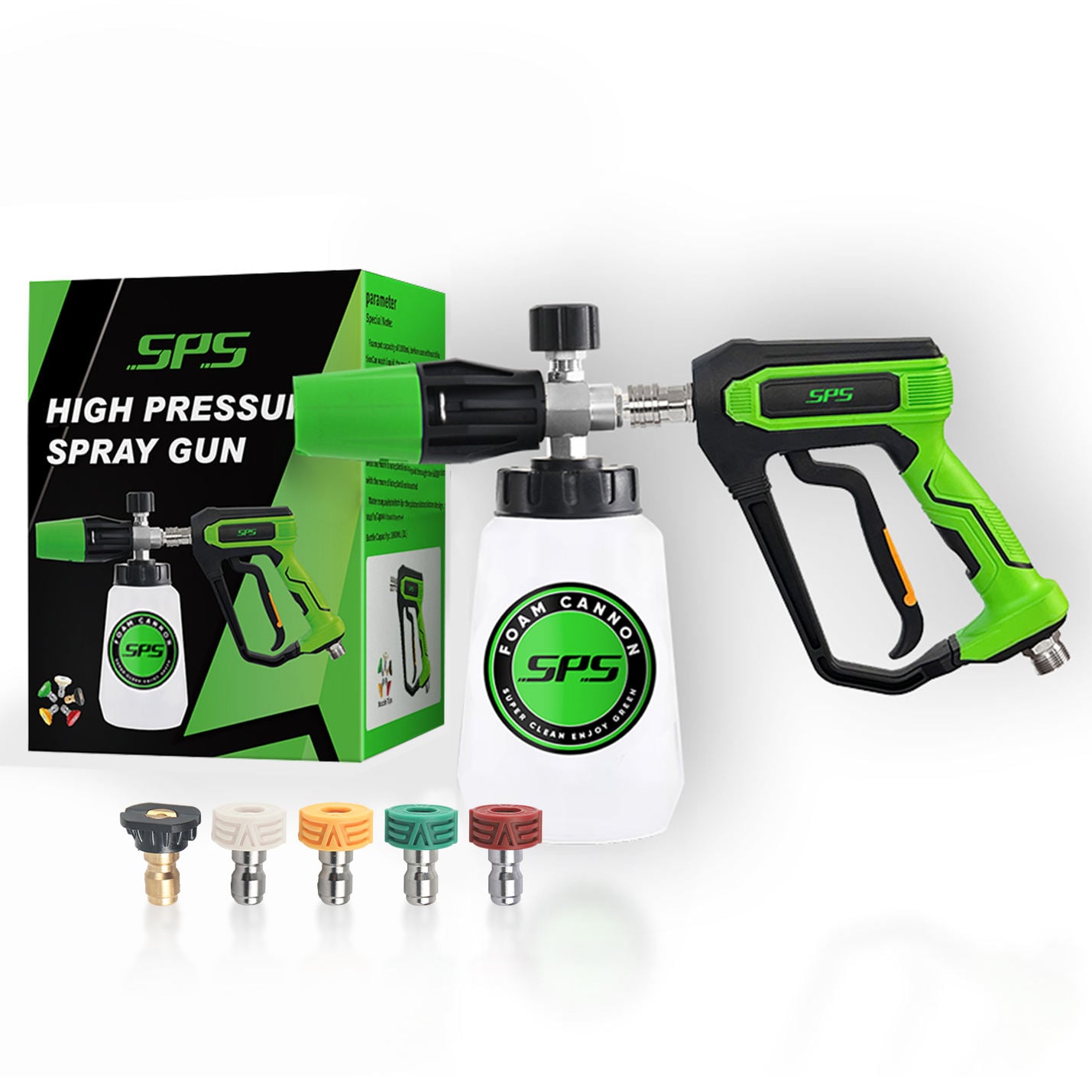
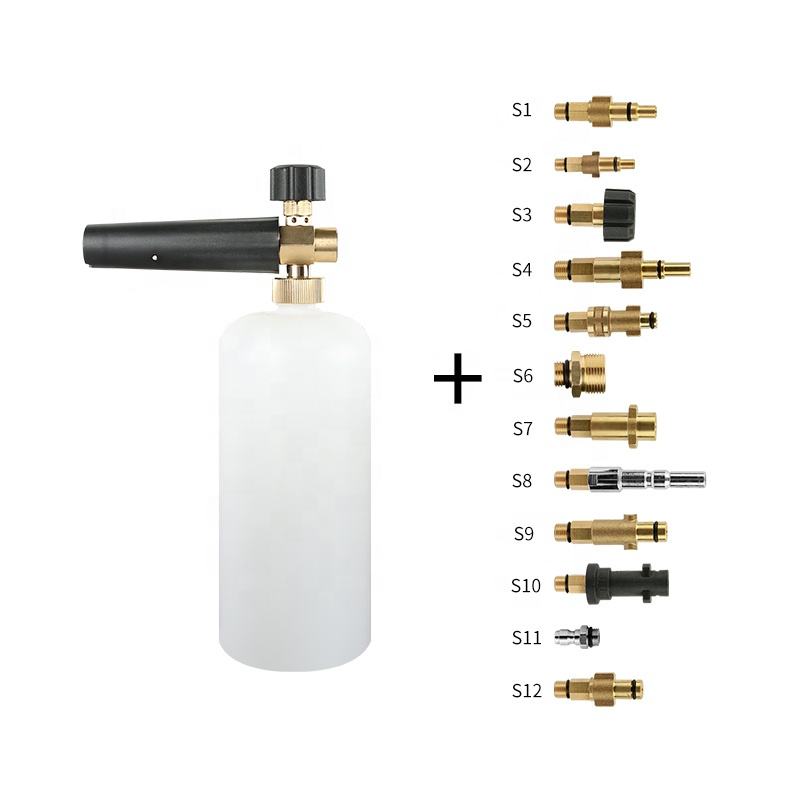
A foam cannon for car washing is a specialized tool designed to deliver a thick layer of foam onto a vehicle's surface, enhancing the efficacy of the cleaning process. For B2B buyers such as distributors and purchasing managers, understanding the nuances of foam cannon specifications, quality, and application is essential for making informed purchasing decisions. This article will explore key considerations when selecting best foam cannon for commercial use, ensuring that you can optimize your purchasing strategy and meet customer needs effectively.
When selecting a foam cannon for car washing, several factors should be taken into account to ensure optimal performance and compatibility with your existing equipment. First, consider the foam cannon's compatibility with various pressure washers. Typically, foam cannons are designed to work with specific pressure ranges, usually between 1,000 to 3,000 PSI. Ensure that the foam cannons you choose can function effectively within the pressure limits of your washer.
Next, evaluate the adjustable nozzle feature. A foam cannon with an adjustable nozzle allows users to control the foam's spray pattern and thickness, providing flexibility for different cleaning tasks. This is particularly important in commercial settings where varying levels of dirt and grime may require different foam application techniques.
Lastly, consider the capacity of the foam cannon's container. Larger reservoirs allow for extended use without frequent refills, which is crucial for high-volume car washes. A foam cannon with a robust design and easy refilling mechanism can enhance operational efficiency and reduce downtime.
Evaluating the quality of foam cannons is critical for wholesale purchases, as it directly impacts the performance and longevity of the product. One of the first aspects to inspect is the material used in construction. High-quality foam cannons are typically made from durable materials such as brass, stainless steel, or high-grade plastic, which can withstand the pressures and corrosive nature of cleaning chemicals.
Examine the manufacturing process and quality control measures implemented by the supplier. A reputable manufacturer, such as SPS, employs advanced machining and CNC equipment, ensuring precision in production. Inquire about certifications like CE and ROHS, which indicate compliance with international safety and environmental standards.
Additionally, request product samples to conduct firsthand quality inspections. Testing the foam cannon under actual operating conditions can reveal its performance capabilities, as well as any potential flaws. Pay attention to the assembly quality, as leaks or weak seals can lead to operational issues.
When comparing foam cannons for professional use, several key specifications should be prioritized to ensure that the product meets operational demands.
Pressure Rating: Check the maximum operating pressure, typically measured in PSI, as this affects the foam's application effectiveness. A pressure rating that aligns with your pressure washer is essential for optimal performance.
Foam Adjustment: Look for a foam cannon with adjustable settings for mixing ratios. This feature allows users to create varying foam densities, which can be tailored to different cleaning tasks.
Connector Size: Ensure that the foam cannon's connector is compatible with your pressure washer’s hose. Common connector sizes include 1/4" and 3/8", so confirm this detail to avoid compatibility issues.
Weight and Ergonomics: The weight of the foam cannon can impact ease of use, especially during prolonged cleaning sessions. An ergonomic design can enhance user comfort and efficiency.
Chemical Compatibility: Verify that the foam cannon can handle various cleaning chemicals without degrading, as this will determine its versatility in different cleaning environments.
For distributors, understanding the cost implications of foam cannon purchases is crucial for maintaining profitability. One way to achieve cost savings is by negotiating bulk purchase discounts. Many manufacturers offer tiered pricing models, where larger orders lead to reduced unit costs. This can significantly lower your overall expenditure, allowing for better margin management.
Additionally, consider the long-term savings associated with high-quality foam cannons. Investing in durable products from reputable manufacturers, like SPS, can minimize the frequency of replacements and repairs, ultimately leading to lower operational costs.
Another factor is the potential for reduced cleaning times. A well-designed foam cannon for power washer that efficiently delivers foam can decrease labor hours spent on car washing, translating to cost efficiencies for your business.
The materials used in the construction of foam cannons play a significant role in their performance and durability. High-quality materials such as brass or stainless steel are preferred for components that experience high pressure, as they resist corrosion and wear better than plastic alternatives.
For the external housing and components, consider high-density polyethylene (HDPE) or other robust plastics that offer good resistance against chemical exposure and impact. This is especially important in car washing environments where cleaning agents can be harsh.
Selecting the right materials also influences the foam cannon's weight and ease of handling. For instance, while metal components provide strength, they can add weight, so balancing material choice with ergonomics is important. Ultimately, the right material selection ensures that the foam cannon not only performs effectively but also has a longer lifespan, reducing the need for frequent replacements and repairs.
By understanding these factors, B2B buyers can make informed decisions that enhance their purchasing strategies and optimize their operations in the car washing industry.

Copyright © Taizhou Shiwang Cleaning Equipment Co.,Ltd. All Rights Reserved | Privacy Policy | Blog
 EN