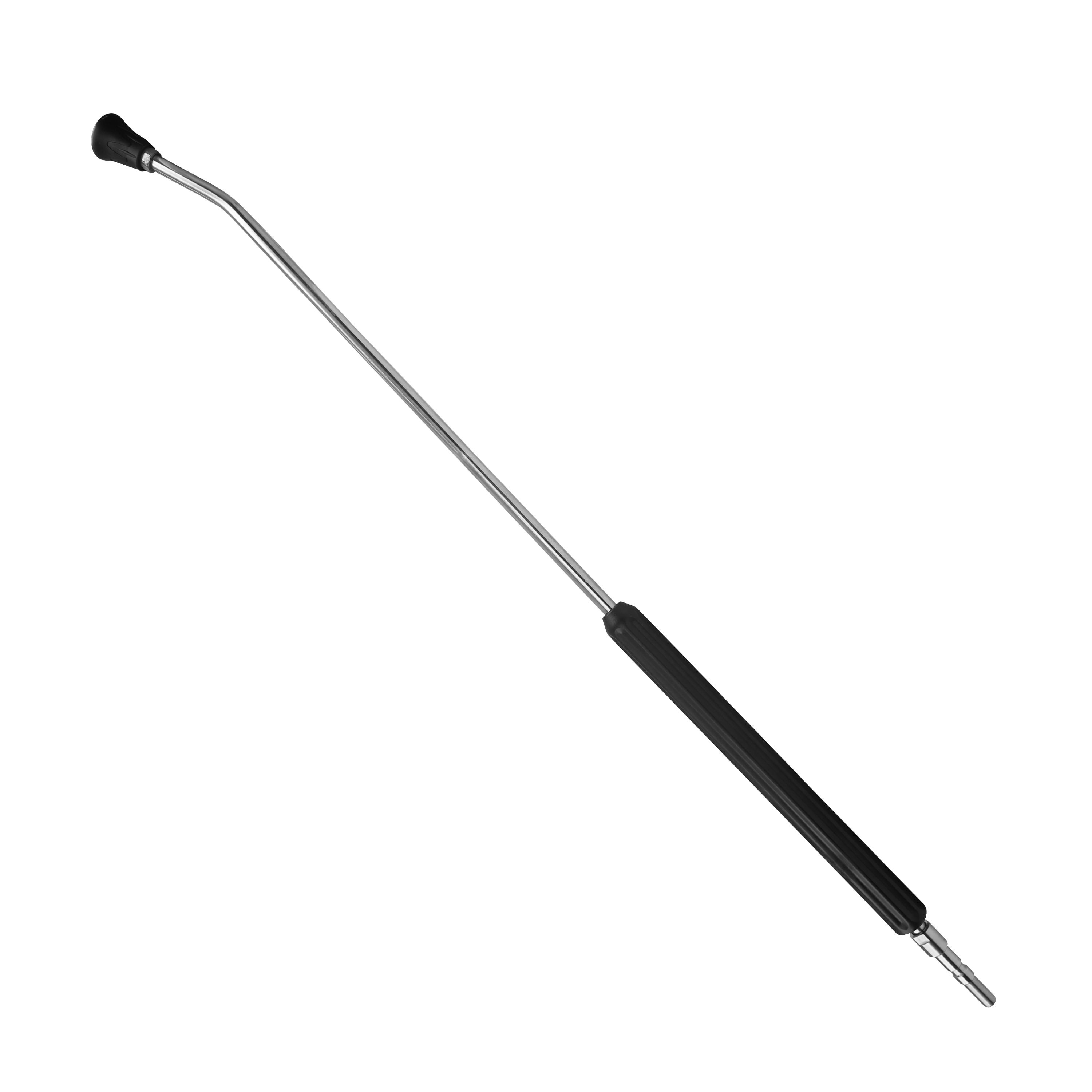
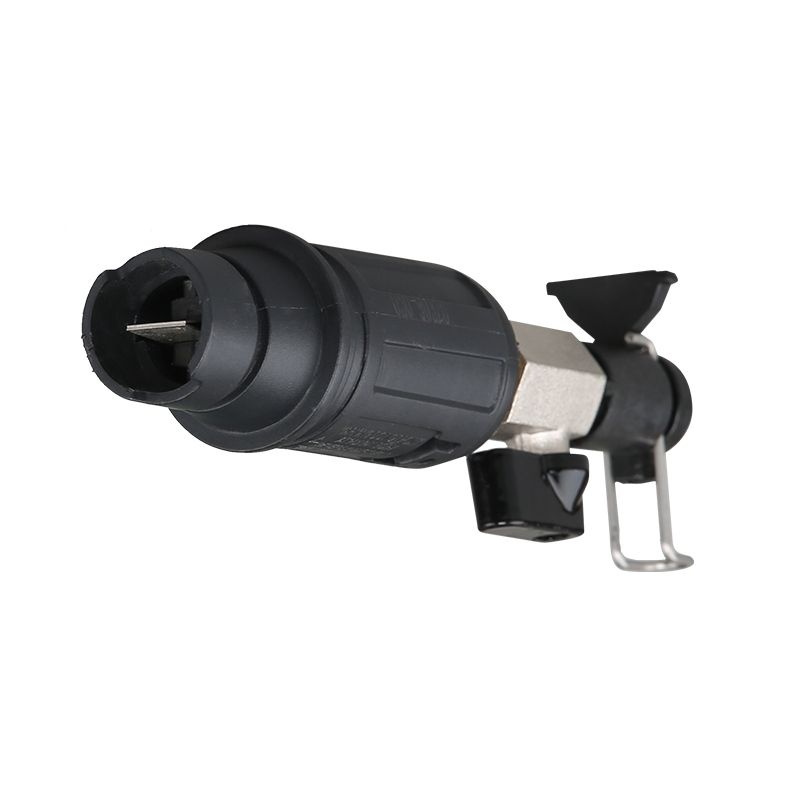
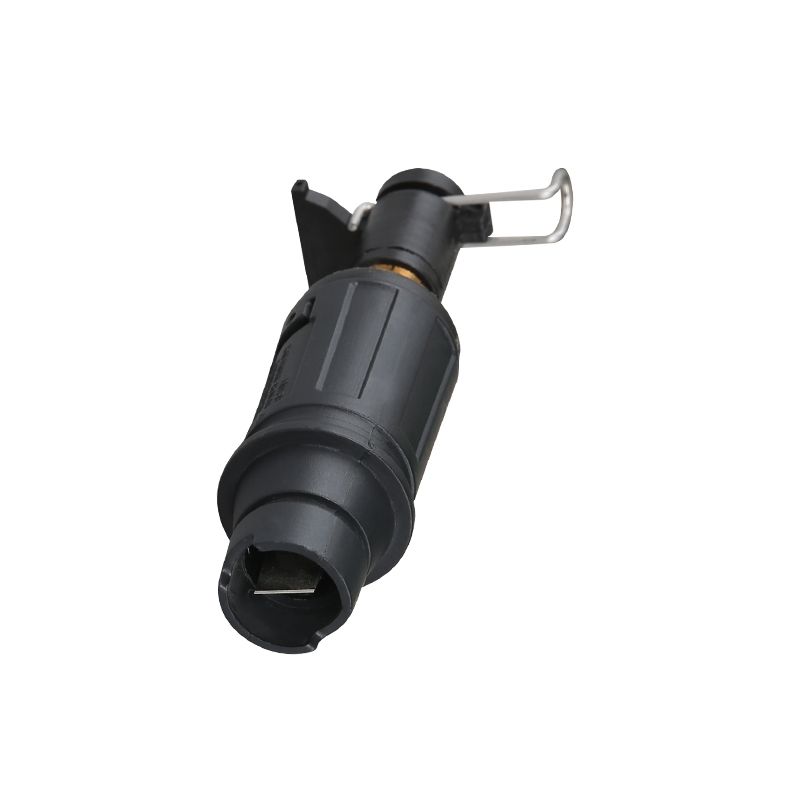
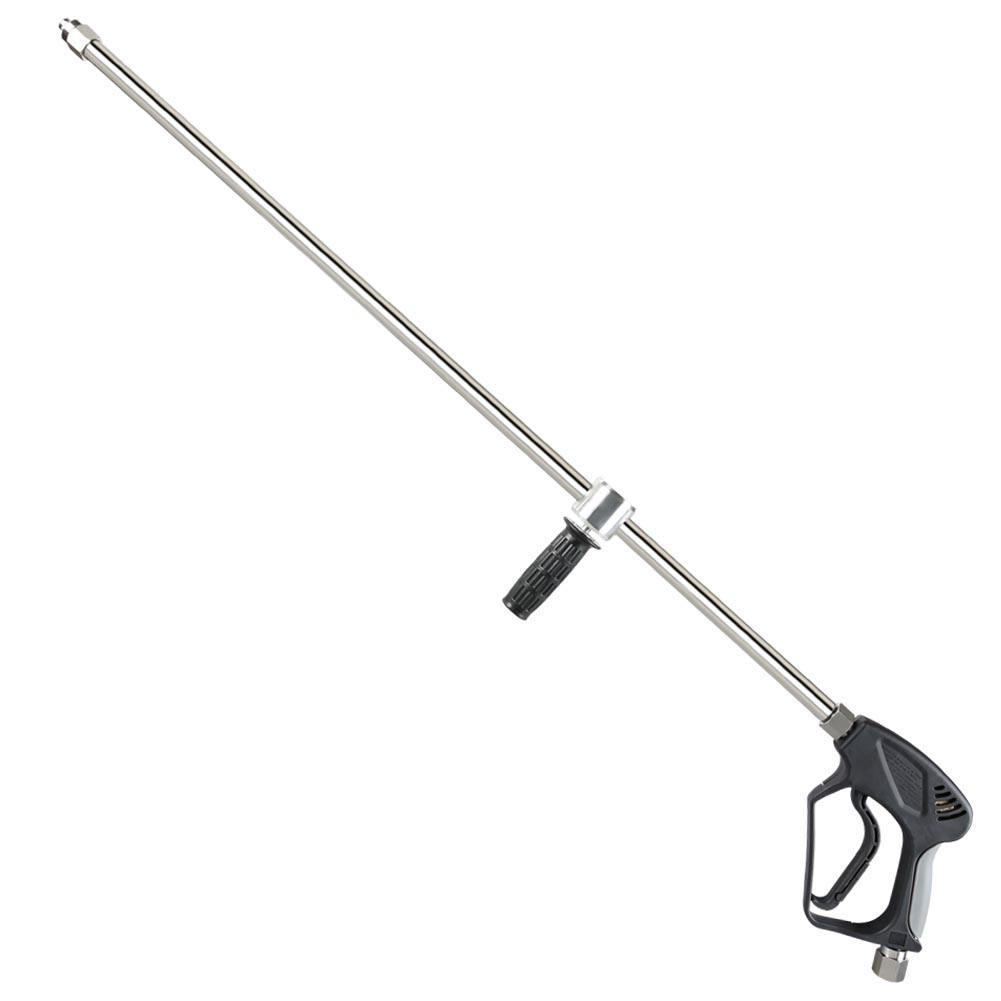
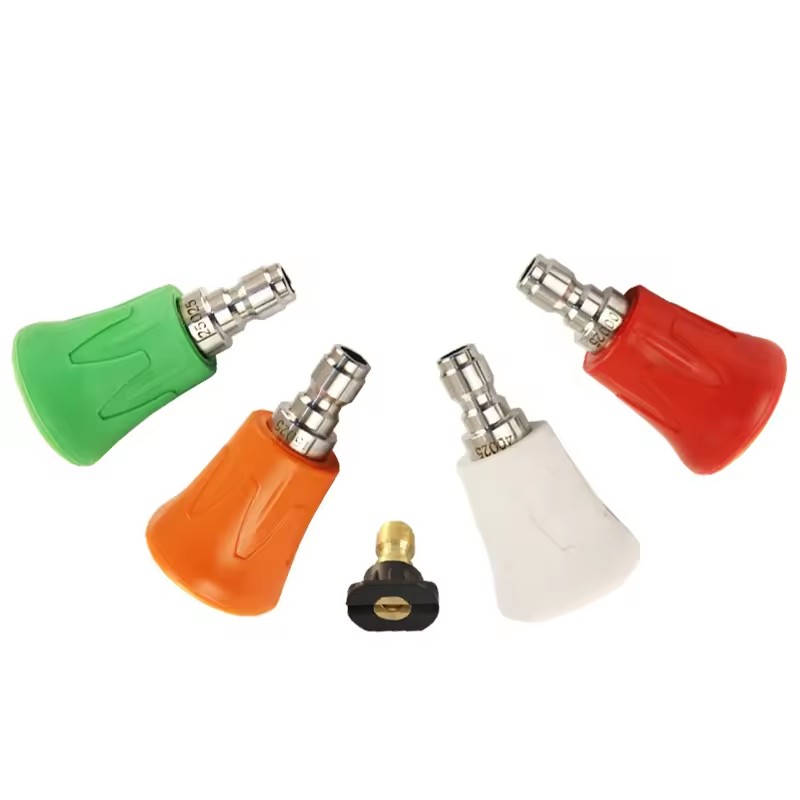
High pressure water cleaners are essential tools in various industrial and commercial applications, designed for powerful cleaning and maintenance tasks. As a B2B buyer, your primary concerns may include product specifications, quality assurance, sourcing reliability and installation requirements. This article aims to provide practical insights into high pressure water cleaners, helping you make informed purchasing decisions for bulk orders.
When evaluating high pressure water cleaners, several key specifications should be considered. These include pressure ratings, flow rates, and construction materials.
Pressure Ratings: This measurement, typically expressed in PSI (pounds per square inch), indicates the force with which the water is expelled. Higher pressure ratings are suitable for tougher cleaning applications, such as removing grime from industrial equipment. For example, a cleaner with 3000 PSI is ideal for heavy-duty tasks, while 1500 PSI may suffice for lighter cleaning.
Flow Rates: Measured in gallons per minute (GPM), flow rate affects how quickly a job can be completed. A higher flow rate enables faster cleaning but may require more significant water supply considerations. Typical flow rates for industrial models range from 1.5 to 4 GPM, depending on the application.
Materials: The construction materials of the cleaner contribute to its durability and resistance to corrosion. Stainless steel and high-grade plastic are common in high-quality models, ensuring longevity and reliable performance in various environments.
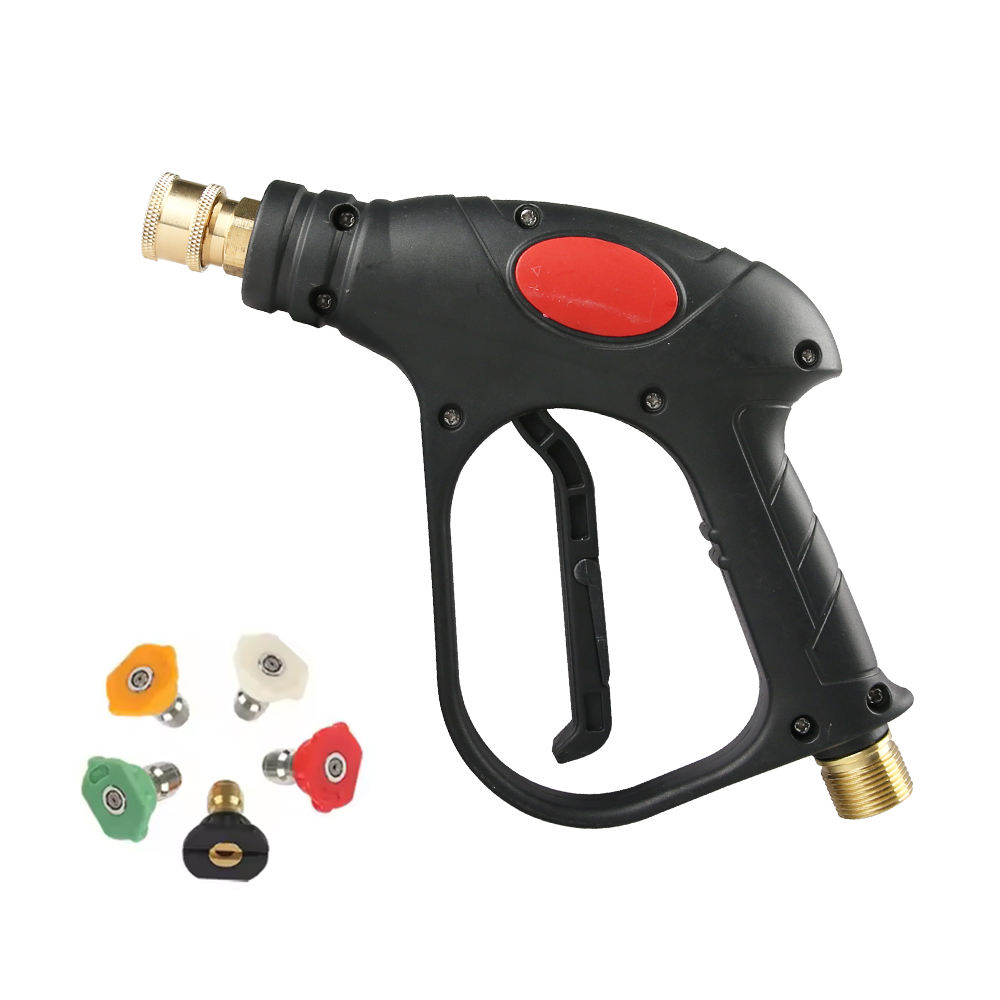
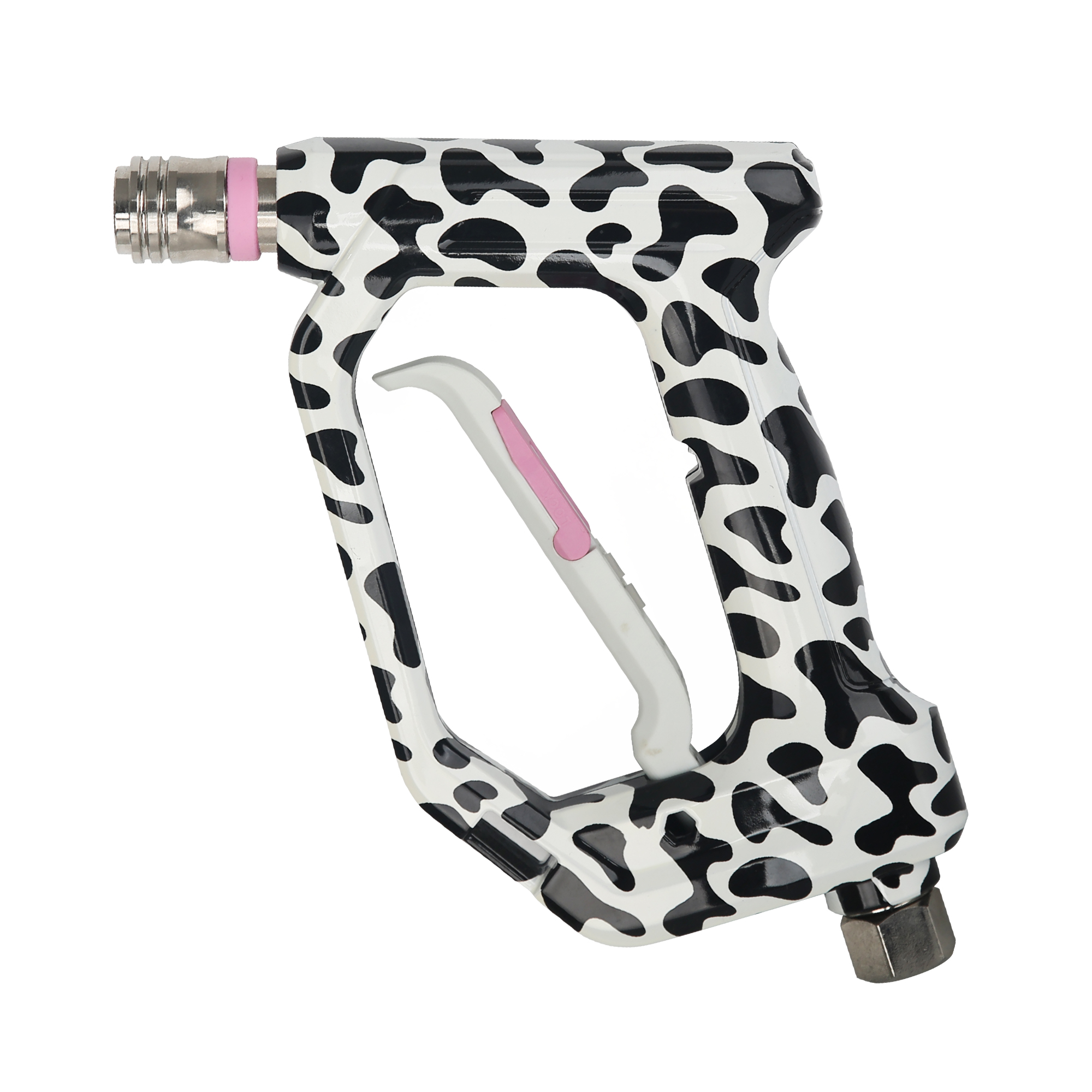
Understanding these specifications will help you determine the right high pressure water gun for car wash for your specific needs and ensure compatibility with your cleaning tasks.
Evaluating the quality of high pressure water cleaners involves examining several critical factors:
Manufacturing Standards: Ensure that the products meet international standards such as CE and ROHS certifications. These certifications indicate compliance with safety and environmental regulations, assuring you of their quality and reliability.
Quality Control Processes: A robust quality control system should be in place throughout the manufacturing process. This includes inspection at various stages, from raw material selection to final assembly. Ask potential suppliers about their quality assurance processes to understand how they maintain product standards.
Performance Testing: Before finalizing your order, request performance testing results for sample units. This can include tests for pressure consistency, durability under stress, and efficiency in actual cleaning conditions.
User Reviews and Testimonials: Researching user feedback can provide insights into the long-term reliability and effectiveness of the cleaners. Look for reviews that highlight how the product performs in real-world applications.
By focusing on these evaluation criteria, you can select pressure water gun for car wash that not only meet your specifications but also provide assurance of quality and reliability.
Sourcing high pressure water cleaners for wholesale can be streamlined by considering the following strategies:
Established Manufacturers: Partnering with established manufacturers like SPS, which has over 20 years of experience, can provide confidence in product reliability and quality. Look for companies with a proven track record in the industry.
Industry Trade Shows and Exhibitions: Attending trade shows allows you to meet suppliers, inspect products, and discuss your requirements directly. This face-to-face interaction can help establish trust and facilitate better negotiations.
Online Marketplaces: Platforms such as Alibaba or ThomasNet can connect you with numerous suppliers. Ensure that you evaluate their credentials and customer feedback before proceeding.
Local Distributors: Working with local distributors can reduce shipping times and costs. They may also offer after-sales support and maintenance services, which can be advantageous for your operations.
By leveraging these sourcing strategies, you can find reliable suppliers that meet your business needs for high pressure water gun cleaners.
Proper installation of high pressure water cleaners is crucial for optimal performance and safety. Here are key considerations:
Site Preparation: Ensure that the installation site is adequately prepared, with access to water and power sources. The area should also allow for safe operation and maintenance activities.
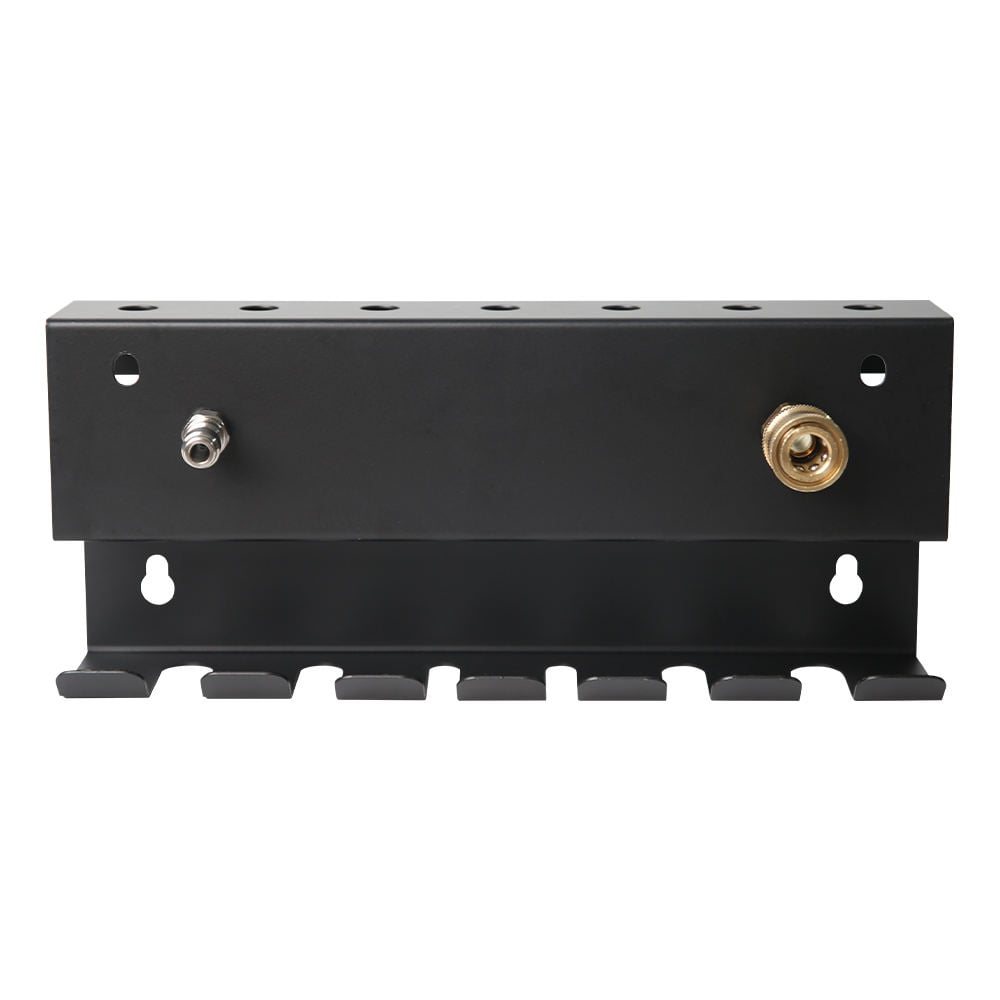
Mounting and Positioning: Depending on the model, some high pressure water cleaners may be mobile, while others require fixed installation. For fixed units, secure mounting to prevent movement during operation. Position the cleaner to minimize hose lengths to reduce pressure loss.
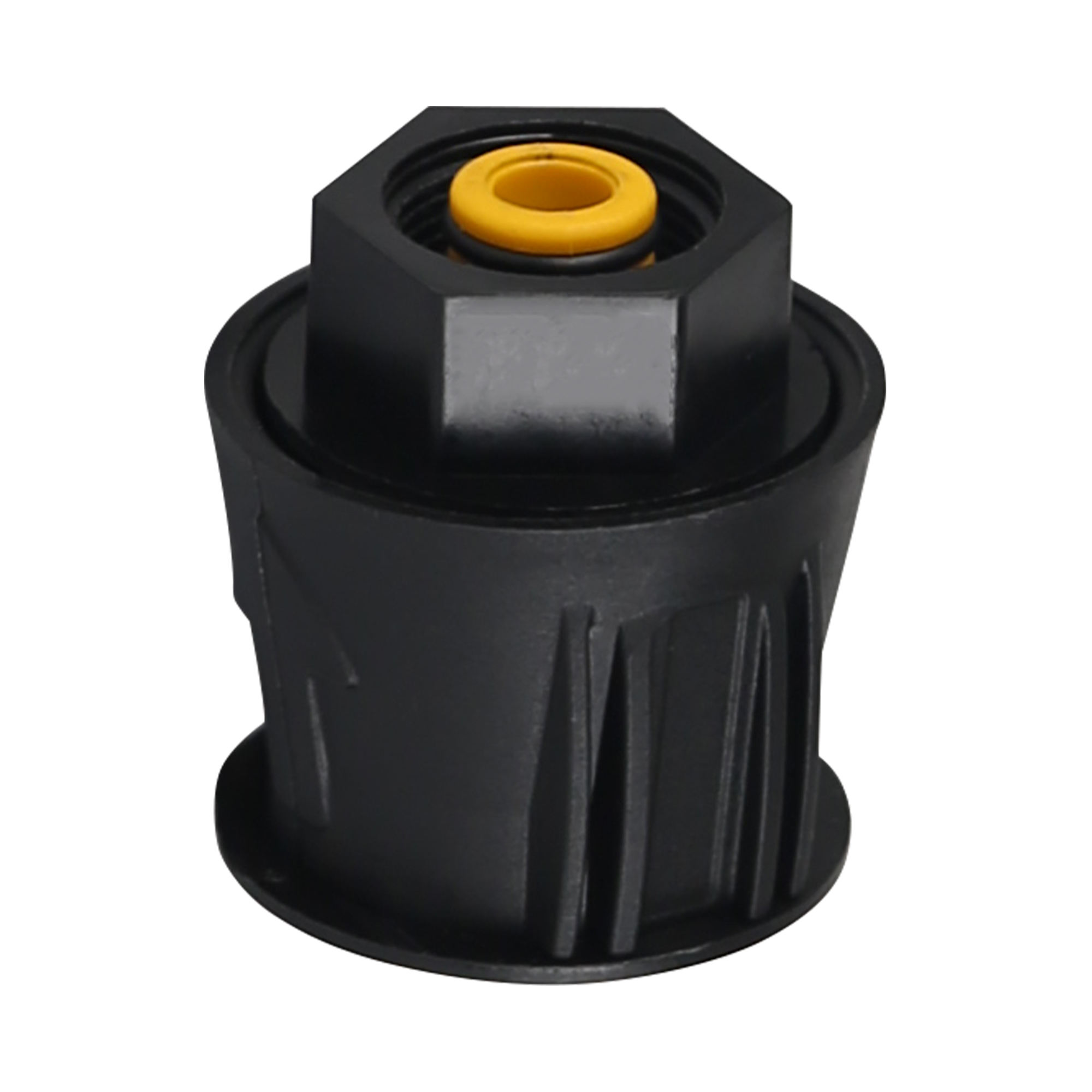
Hose and Accessory Compatibility: Ensure that hoses and accessories are compatible with the cleaner's specifications. Using the wrong attachments can lead to performance issues or even damage. Verify that all connections are secure and leak-free.
Safety Precautions: Follow manufacturer guidelines for safety during installation. This includes wearing appropriate protective gear and ensuring the area is clear of obstructions.
Testing After Installation: After installation, conduct a thorough test to verify that the cleaner operates as expected. Check for any leaks, pressure irregularities, or performance issues.
By adhering to these installation guidelines, you can ensure your high pressure water cleaners function efficiently and safely in your projects.
While high pressure water cleaners are robust tools they may encounter issues that can affect performance. Here are some common problems and their solutions:
Pressure Fluctuations: This can occur if there are blockages in the hose or nozzle. Regularly inspect and clean these components to ensure a steady flow. Additionally, check for any kinks in the hose that may restrict water flow.
Overheating: If the cleaner overheats, it may shut down to prevent damage. This can happen if the machine is run for extended periods without breaks. To mitigate this, schedule regular intervals for operation and allow the unit to cool down as needed.
Water Leaks: Leaks often arise from worn seals or loose fittings. Regularly inspect and replace seals as necessary, and ensure all fittings are securely tightened to prevent water loss.
Insufficient Cleaning Power: If the cleaner fails to deliver the expected cleaning power, check the pressure settings and ensure that the correct nozzle is being used for the task. Using the appropriate nozzle for different cleaning tasks can significantly enhance effectiveness.
By being aware of these common issues and their solutions, you can maintain the performance of your high pressure water cleaners and reduce downtime in your operations.

Copyright © Taizhou Shiwang Cleaning Equipment Co.,Ltd. All Rights Reserved | Privacy Policy | Blog
 EN