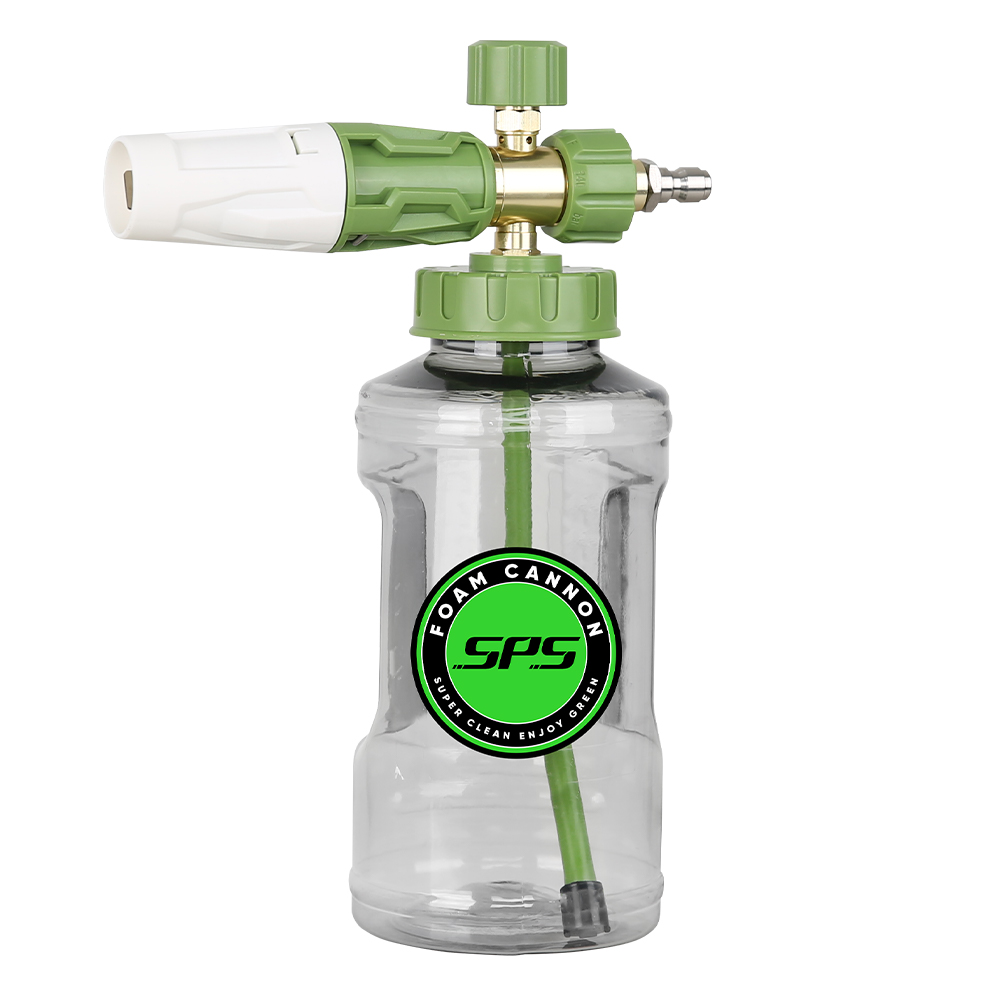
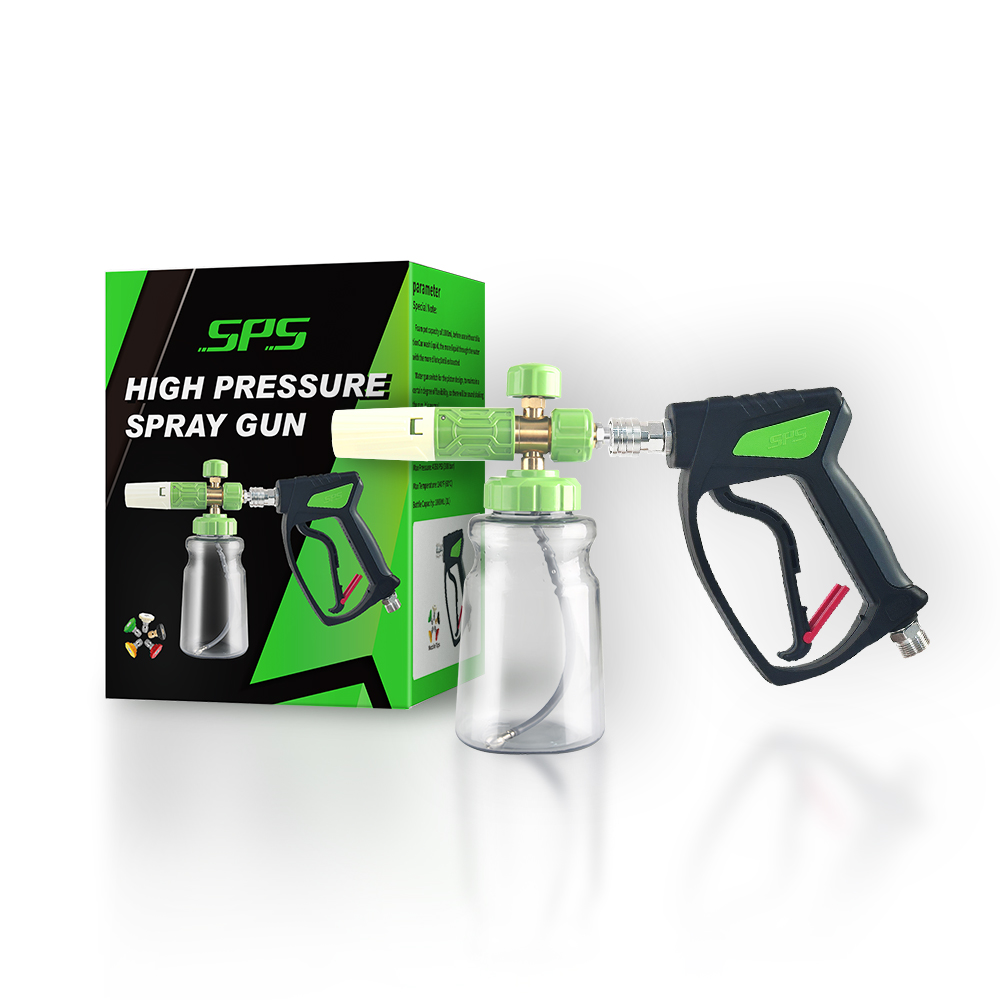
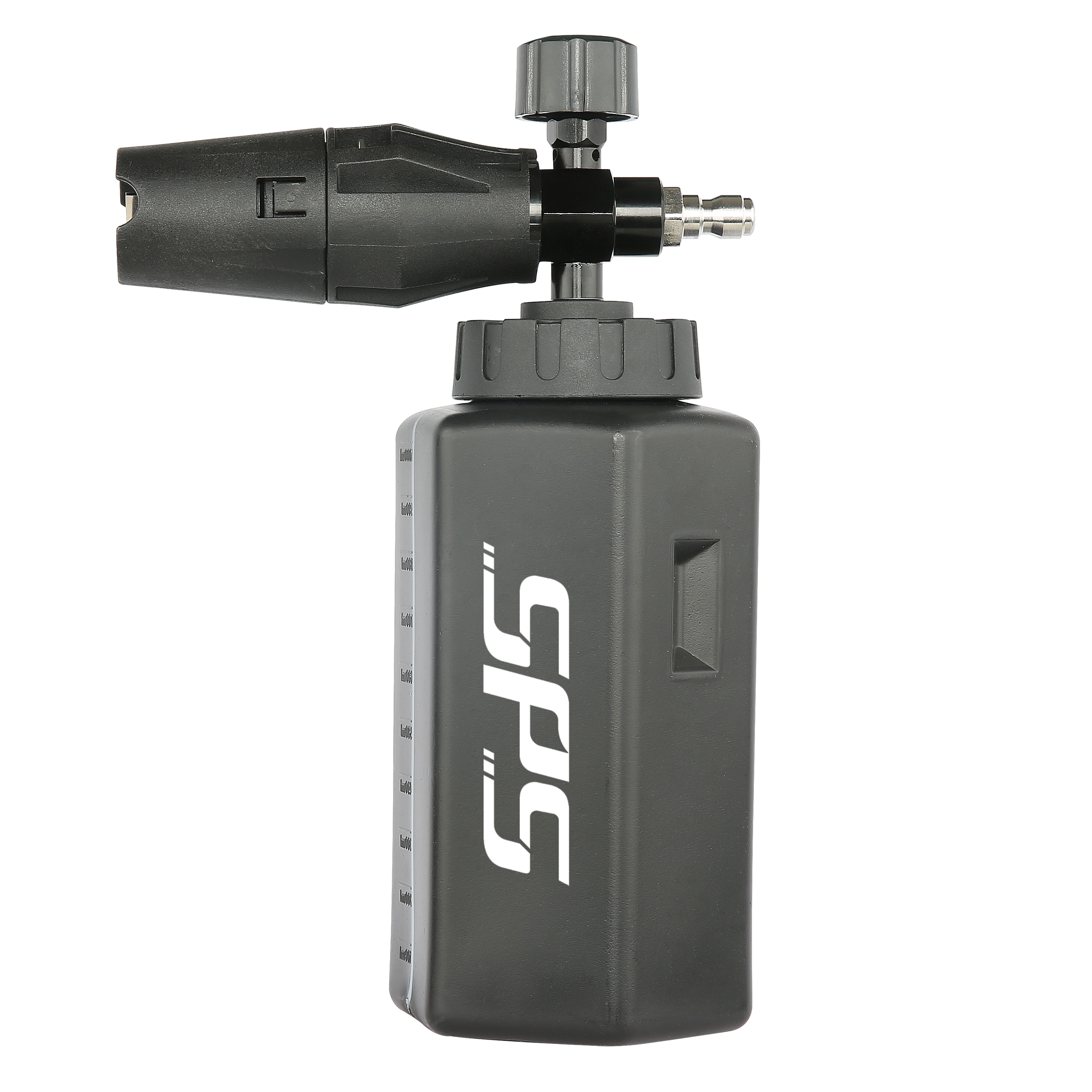
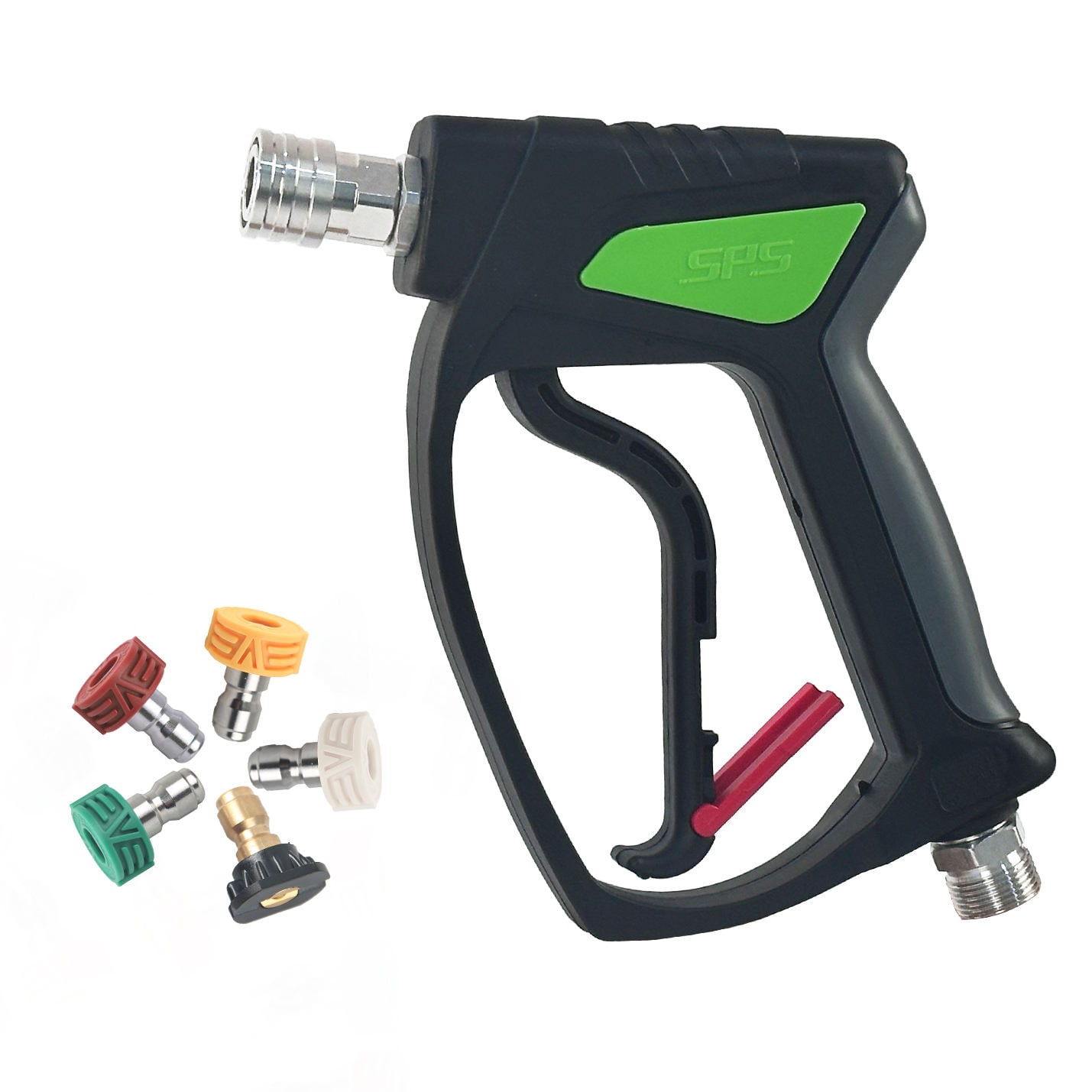
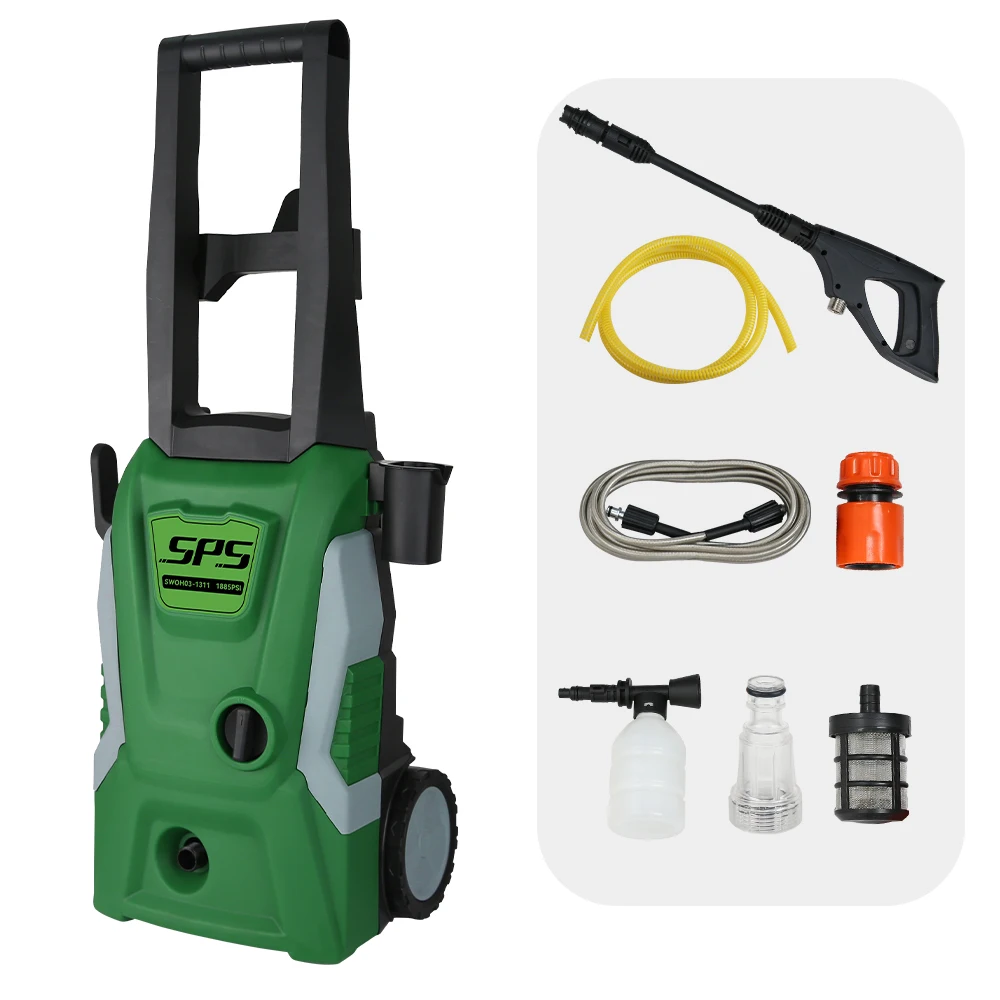
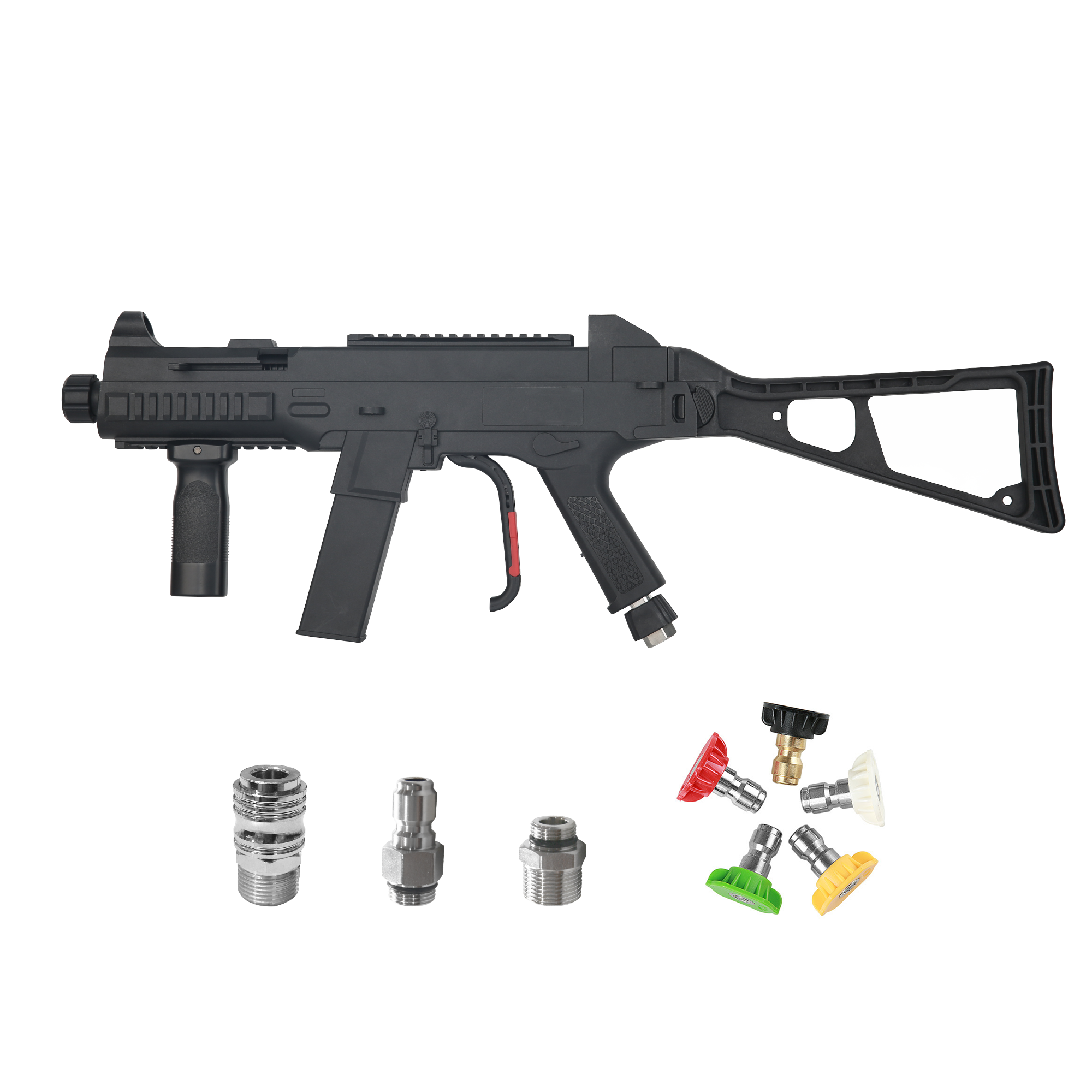
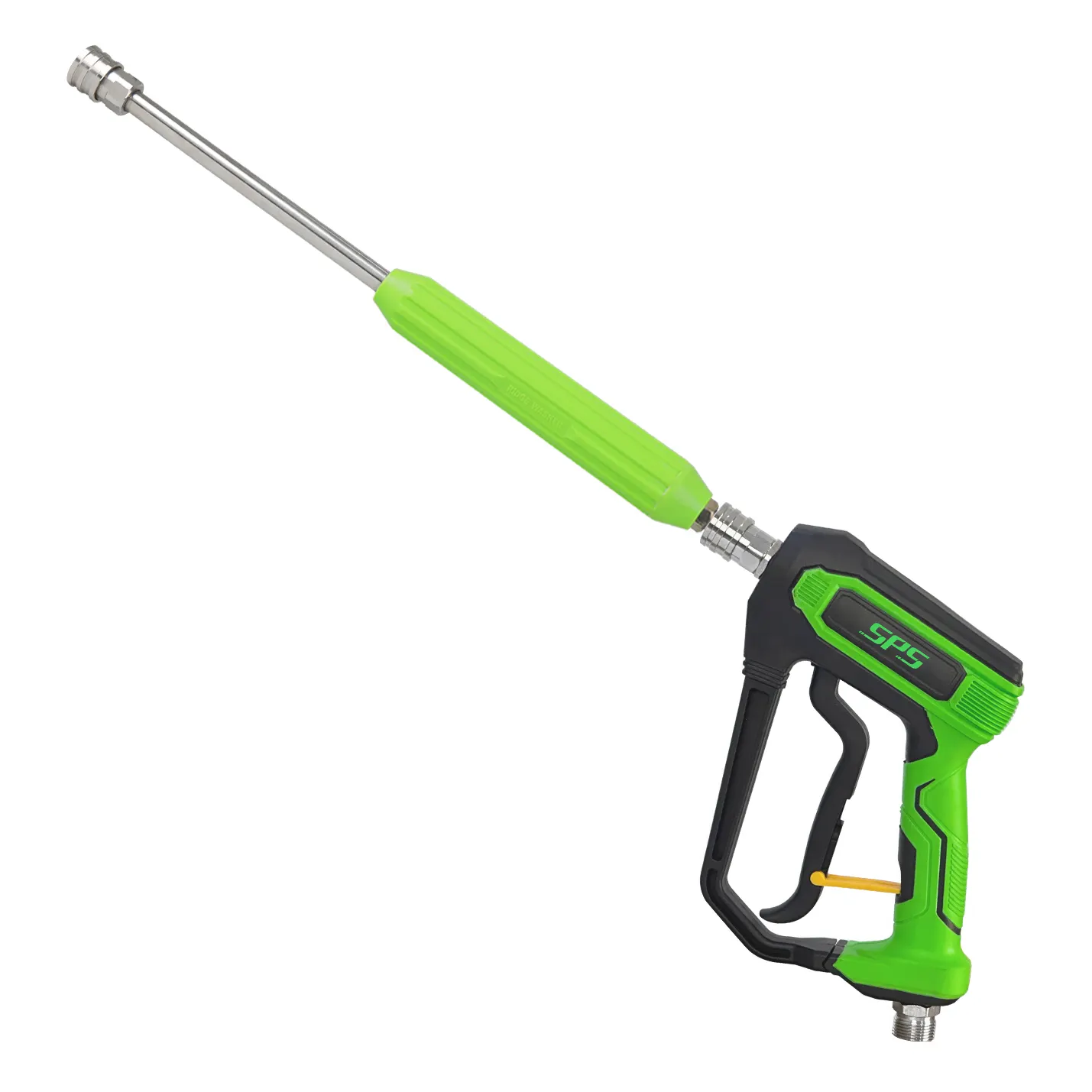
A wall mounted pressure washer is a powerful cleaning tool designed for various industrial and commercial applications, providing efficient solutions for maintaining cleanliness in large areas. As a purchasing manager or engineer, understanding the essential features, installation requirements, and potential issues of these machines will help ensure you select the right model for your needs. This article outlines key factors to consider when evaluating foam lance for pressure washer and provides practical insights to assist in your purchasing decision.
Selecting the appropriate Shiwang wall mounted pressure washer hinges on several factors, including pressure output, flow rate, and intended application. The pressure output, typically measured in PSI (pounds per square inch), determines how effectively the washer can clean surfaces. For instance, a model with 3000 PSI is suitable for heavy-duty tasks like removing grease from machinery, while 1500 PSI is adequate for lighter tasks such as cleaning vehicles or outdoor furniture.
Flow rate, measured in GPM (gallons per minute), is another critical specification. A higher flow rate allows for quicker cleaning by delivering more water, which is essential for tasks that require rinsing or washing away debris. When assessing your needs, consider the types of surfaces you will be cleaning and the nature of the dirt or grime.
Customization options should also be considered. Some manufacturers, like SPS, offer tailored solutions that allow buyers to specify features such as nozzle types, hose length, and additional accessories, ensuring that the snow foam gun for pressure washer meets specific operational requirements.
When evaluating wall mounted pressure washers, focus on several key specifications:
Material Quality: The durability of the pressure washer is significantly influenced by the materials used in its construction. Stainless steel and high-grade plastics are common choices that offer corrosion resistance and longevity.
Pump Type: Pressure washers utilize various pump types, including axial and triplex pumps. Triplex pumps, while generally more expensive, provide greater efficiency and longer life, making them suitable for industrial applications.
Motor Power: The motor's horsepower (HP) is crucial in determining the pressure washer's cleaning capabilities. A higher HP typically results in better performance, especially for heavy-duty applications.
Safety Features: Look for models equipped with safety features such as thermal relief valves, which prevent overheating, and automatic shut-off systems that enhance user safety.
Certifications: Ensure that the pressure washer complies with relevant industry standards, such as CE and ROHS certifications, which indicate adherence to safety and environmental regulations.
Proper installation is vital for optimal performance and longevity of a Shiwang wall mounted pressure washer. Here are some crucial steps:
Location: Choose a location that is easily accessible and can accommodate the weight and dimensions of the unit. Ensure that the wall can support the pressure washer’s weight, especially when filled with water.
Mounting: Use appropriate mounting brackets and hardware to secure the washer to the wall. It's essential to follow the manufacturer's guidelines regarding mounting height and spacing from other objects.
Water Supply: Ensure a reliable water source is available and that the inlet hose is of suitable length and diameter to minimize pressure loss. A dedicated water line is advisable for larger units.
Electrical Connections: If the pressure washer requires electrical power, ensure that the power supply matches the voltage and amperage specifications of the unit. Employ a qualified electrician for any electrical work.
Testing: After installation, conduct thorough testing to ensure all connections are secure and the unit operates correctly. Check for leaks, and verify that pressure settings meet the desired specifications.
Understanding common issues can help maintain optimal performance and extend the lifespan of your wall mounted pressure washer. Here are some frequently encountered problems and their solutions:
Loss of Pressure: This may result from clogged nozzles or filters. Regular maintenance, including cleaning or replacing filters and nozzles, can help prevent this issue.
Leaks: Leaks can occur due to damaged hoses or fittings. Inspect these components regularly and replace any damaged parts promptly to avoid further complications.
Overheating: If the machine overheats, it may be due to prolonged use without breaks or a malfunctioning thermal relief valve. Ensure that the washer is operated within the recommended duty cycle and consider scheduling frequent breaks during extensive cleaning tasks.
Difficult Start-Up: If the strongest electric pressure washer fails to start, check the power supply, connections, and motor functionality. Regular inspections of electrical components can prevent this issue.
When budgeting for a Shiwang wall mounted pressure washer, several cost factors should be considered:
Initial Purchase Price: The cost of the pressure washer can vary significantly based on features, brand, and specifications. While lower-priced models may be tempting, investing in a quality unit may result in better long-term value.
Operational Costs: Consider the cost of water and electricity consumption, as well as maintenance expenses, including replacement parts and repairs. A more efficient model may have higher upfront costs but lower operational expenses.
Customization Costs: If you opt for customized features, be aware that this can increase the overall price. Discuss with your supplier the potential impact of customizations on lead time and pricing.
Warranty and Support: Evaluate the warranty offered by the manufacturer. A longer warranty period may indicate confidence in the product's durability and can save money on repairs in the long run.
Shipping and Taxes: Don’t forget to account for shipping costs and local taxes, which can add to the total expenditure. Inquire about shipping options and any potential discounts for bulk orders.
By understanding these factors, purchasing managers can make informed decisions that align with their budget and operational needs.

Copyright © Taizhou Shiwang Cleaning Equipment Co.,Ltd. All Rights Reserved | Privacy Policy | Blog
 EN