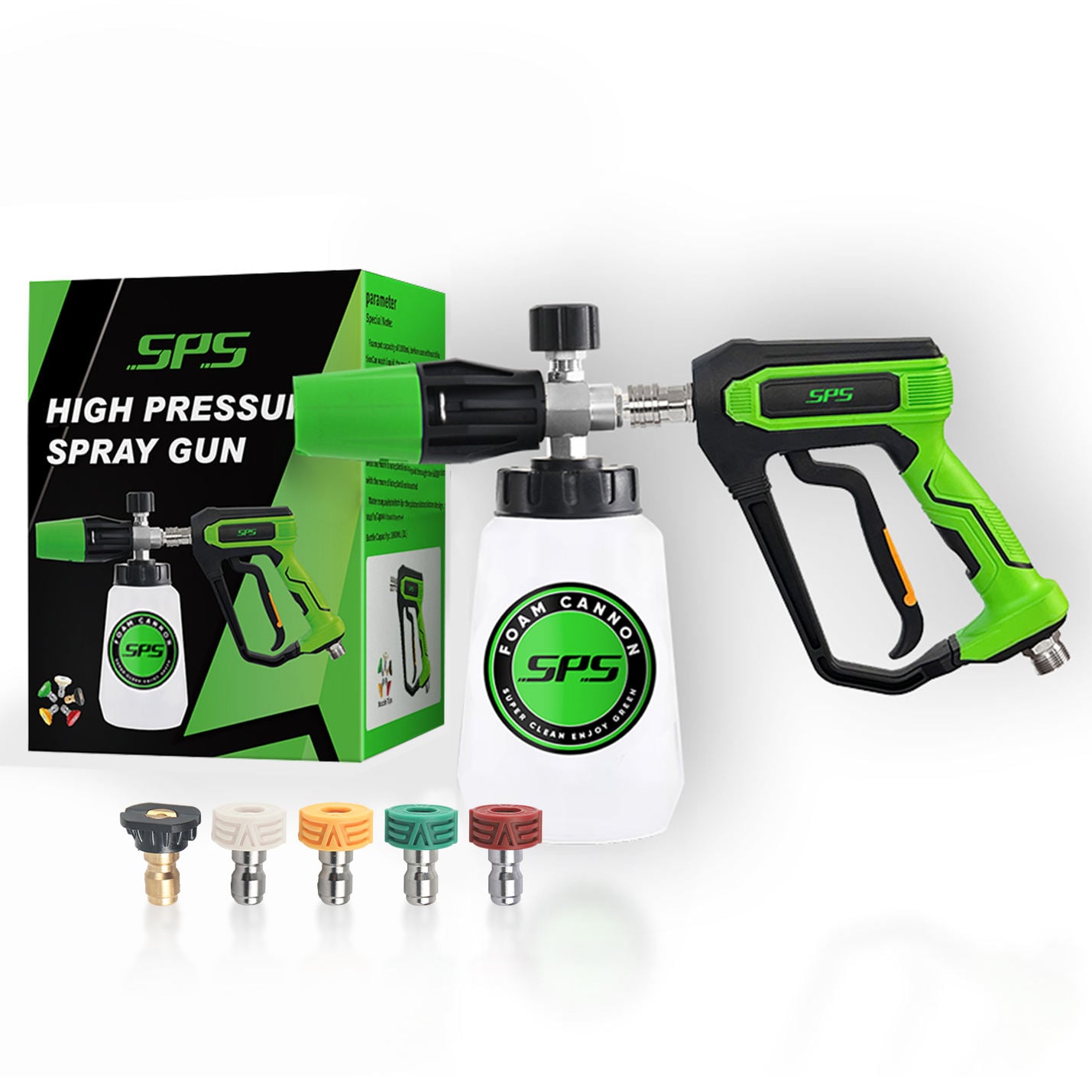
High-pressure cleaning machines, commonly known as pressure cleaner machines, are essential tools in various industries for effective cleaning and maintenance tasks. As a B2B buyer, you may be concerned about specifications, quality, and performance, which are crucial for ensuring that these machines meet your operational needs. This article will guide you through the key considerations when selecting a pressure cleaner machine, helping you make an informed purchasing decision
When choosing a power pressure cleaner machine, several key specifications should be evaluated to ensure that the machine is suitable for your intended applications
Pressure Rating: Expressed in PSI (pounds per square inch), the pressure rating determines how forcefully the water is expelled. Higher PSI ratings are ideal for tough stains and surfaces, while lower ratings suffice for lighter cleaning tasks
Flow Rate: Measured in GPM (gallons per minute), the flow rate indicates the volume of water used. A higher flow rate can enhance cleaning efficiency, especially for large areas or heavy debris
Power Source: Pressure cleaner machines can be powered by electricity or gas. Electric models are typically lighter and quieter, suitable for residential use, while gas-powered machines offer greater mobility and power, making them preferable for industrial applications
Nozzle Types: Different nozzles provide varying spray patterns (such as, narrow, wide, turbo), which affect cleaning effectiveness. Choose a machine that includes multiple nozzle options to accommodate different cleaning tasks
Weight and Portability: Consider the machine's weight and design for ease of transport. If frequent movement is necessary, select a lightweight model with ergonomic handles and wheels
These specifications will guide you in selecting a pressure cleaner machine that aligns with your cleaning requirements and operational constraints
Quality is paramount when purchasing pressure cleaner machines, especially for wholesale orders. Here are several factors to evaluate
Manufacturing Standards: Ensure that the machines are produced in compliance with international standards such as CE and ROHS certifications. These certifications indicate adherence to safety and environmental regulations, reflecting a commitment to quality
Material Durability: Assess the materials used in construction. High-quality metals and plastics enhance durability, ensuring that the machine withstands rigorous use and exposure to various cleaning agents
Quality Control Processes: Investigate the manufacturer’s quality control measures. A robust quality assurance program, including regular inspections and testing throughout the production process, helps ensure consistent performance and reliability
Customer Feedback and Reviews: Seek testimonials and reviews from existing customers. Positive feedback can provide insights into the machine's performance, reliability, and the manufacturer's customer service
After-Sales Support: Consider the manufacturer’s support services, including warranties and availability of replacement parts. A responsive support system can significantly influence long-term satisfaction with your purchase
By focusing on these quality indicators, you can make informed decisions when purchasing pressure cleaner machines in bulk
Despite their effectiveness, electric water pressure cleaner machines can encounter common issues. Here are some frequent problems and recommended solutions
Loss of Pressure: This can occur due to clogged filters or hoses. Regular maintenance, including cleaning filters and inspecting hoses for blockages, can help maintain optimal pressure levels
Unreliable Starting: In gas-powered models, starting issues may arise from fuel quality or carburetor problems. Ensure you use fresh fuel and regularly clean the carburetor to facilitate easy starts
Water Leaks: Leaks can stem from worn seals or loose connections. Regularly inspect seals and fittings, and replace any damaged parts promptly to prevent further issues
Overheating: Continuous use can lead to overheating, particularly in electric machines. Allow the machine to cool down periodically and adhere to recommended usage durations to prevent thermal damage
Addressing these common problems promptly can extend the lifespan of your pressure cleaner machine and ensure consistent performance
Proper installation is crucial for the effective operation of a pressure cleaner machine. Follow these guidelines for a successful setup
Read the Manual: Always begin by reviewing the manufacturer's manual for specific installation instructions and safety precautions tailored to your model
Connect the Water Supply: Ensure that the water source is clean and free of debris. Use the appropriate hoses and fittings to connect the water supply to the machine securely
Check Electrical Connections: For electric models, verify that the power source meets the machine's voltage requirements. Use proper extension cords rated for outdoor use, if necessary
Test for Leaks: Before turning on the machine, inspect all connections for leaks. Tighten any loose fittings and replace damaged seals to prevent water loss
Perform a Trial Run: Once installed, perform a trial run to ensure everything operates correctly. Monitor for any unusual sounds or movements that may indicate installation errors
Following these installation steps will help you maximize the performance and longevity of your pressure cleaner machine
When comparing different high pressure cleaner machines for your projects, consider the following factors to make an informed choice
Specification Comparison: Create a comparison chart that outlines the specifications of each model, including PSI, GPM, power source, and weight. This visual representation can simplify the evaluation process
Application Suitability: Assess the specific cleaning tasks you will be performing. For example, if you are cleaning heavy machinery, a higher PSI rating may be necessary compared to routine maintenance tasks
Cost Analysis: Evaluate the total cost of ownership, including the purchase price, operational costs (fuel or electricity), and maintenance expenses. A lower upfront cost may not always equate to long-term savings
Customization Options: Consider whether the manufacturer offers customization options for features or accessories that may be beneficial for your specific applications
Supplier Reliability: Research the reputation of each supplier. A supplier with a strong track record of delivering quality products and excellent customer service can enhance your overall purchasing experience
By carefully comparing these aspects, you can select a pressure cleaner machine that best meets your operational needs and budget constraints

Copyright © Taizhou Shiwang Cleaning Equipment Co.,Ltd. All Rights Reserved | Privacy Policy | Blog
 EN