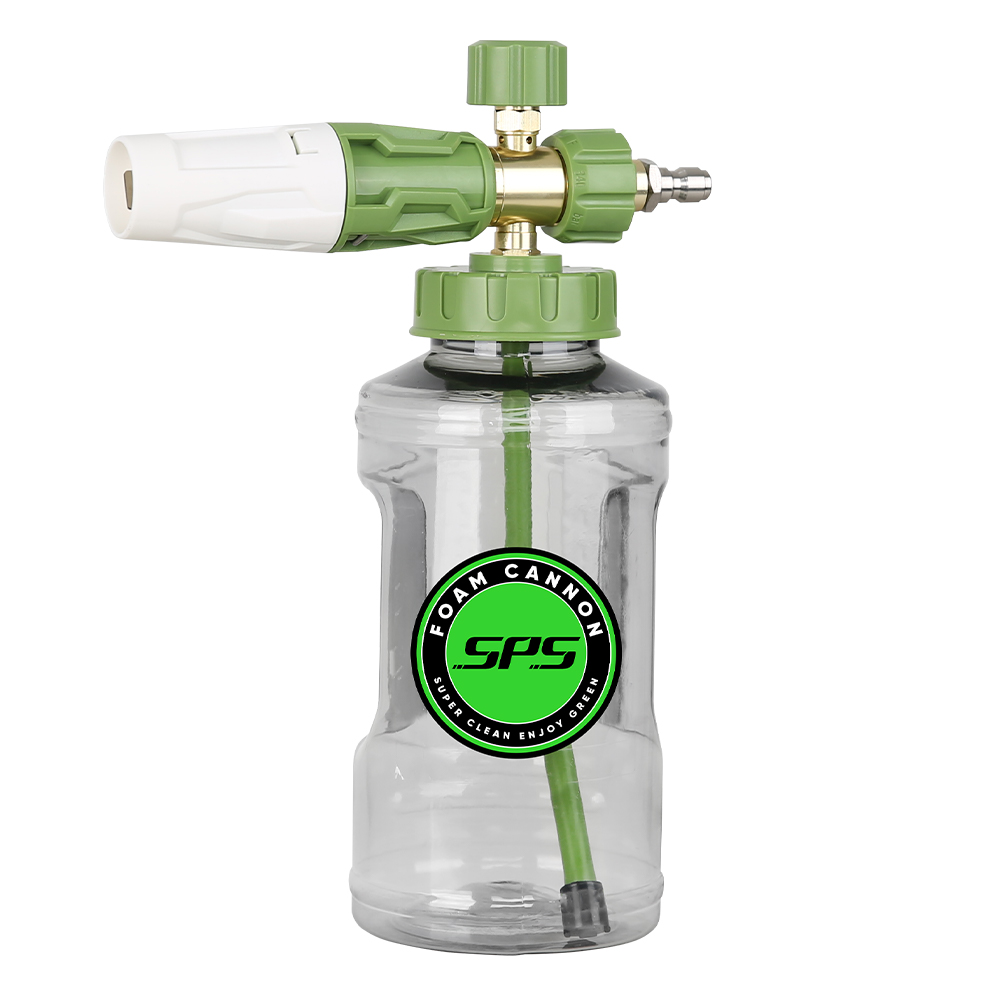
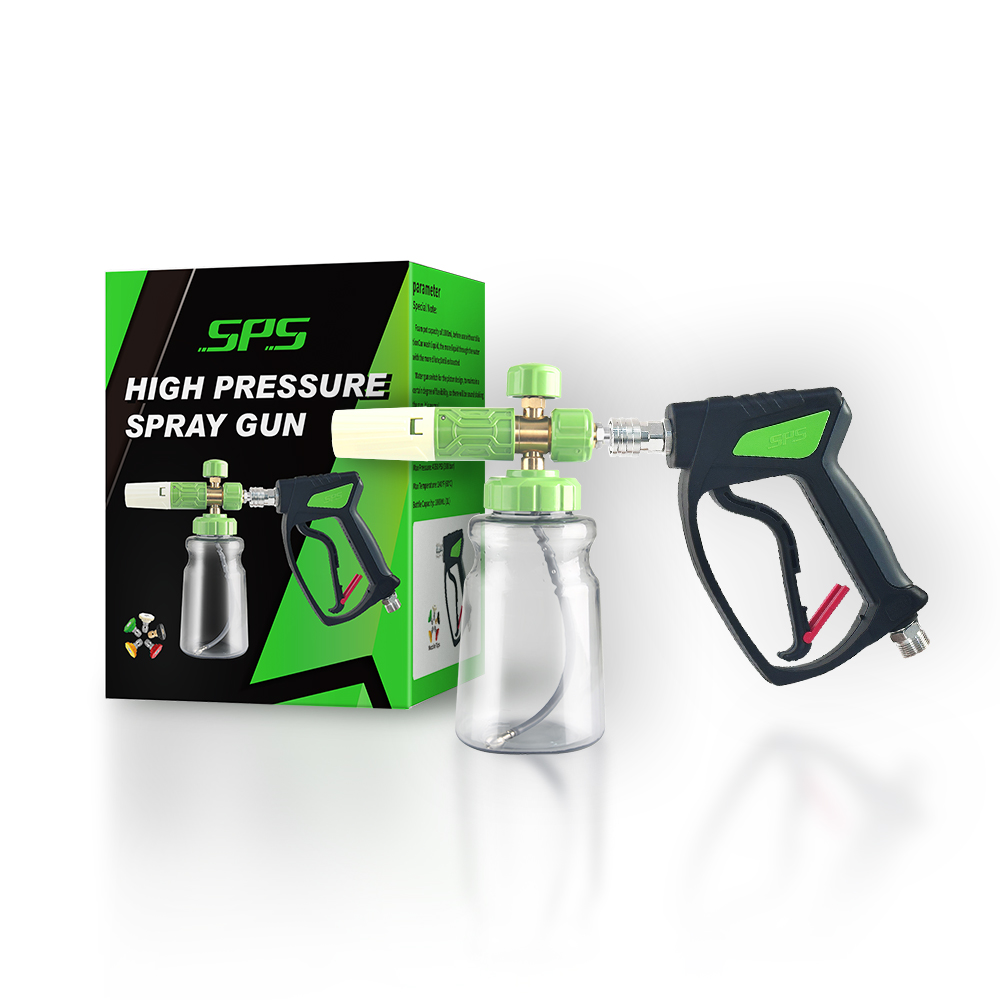
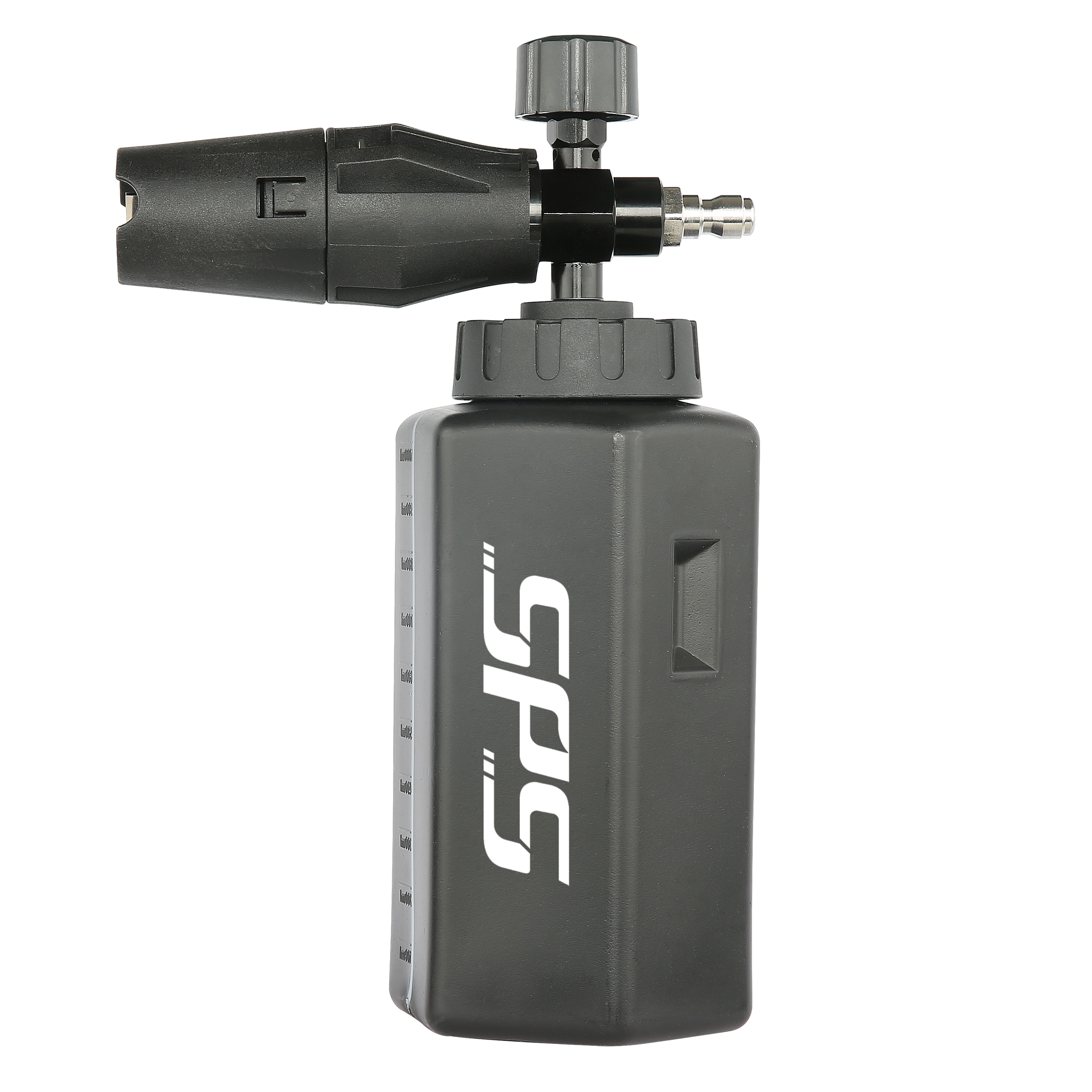
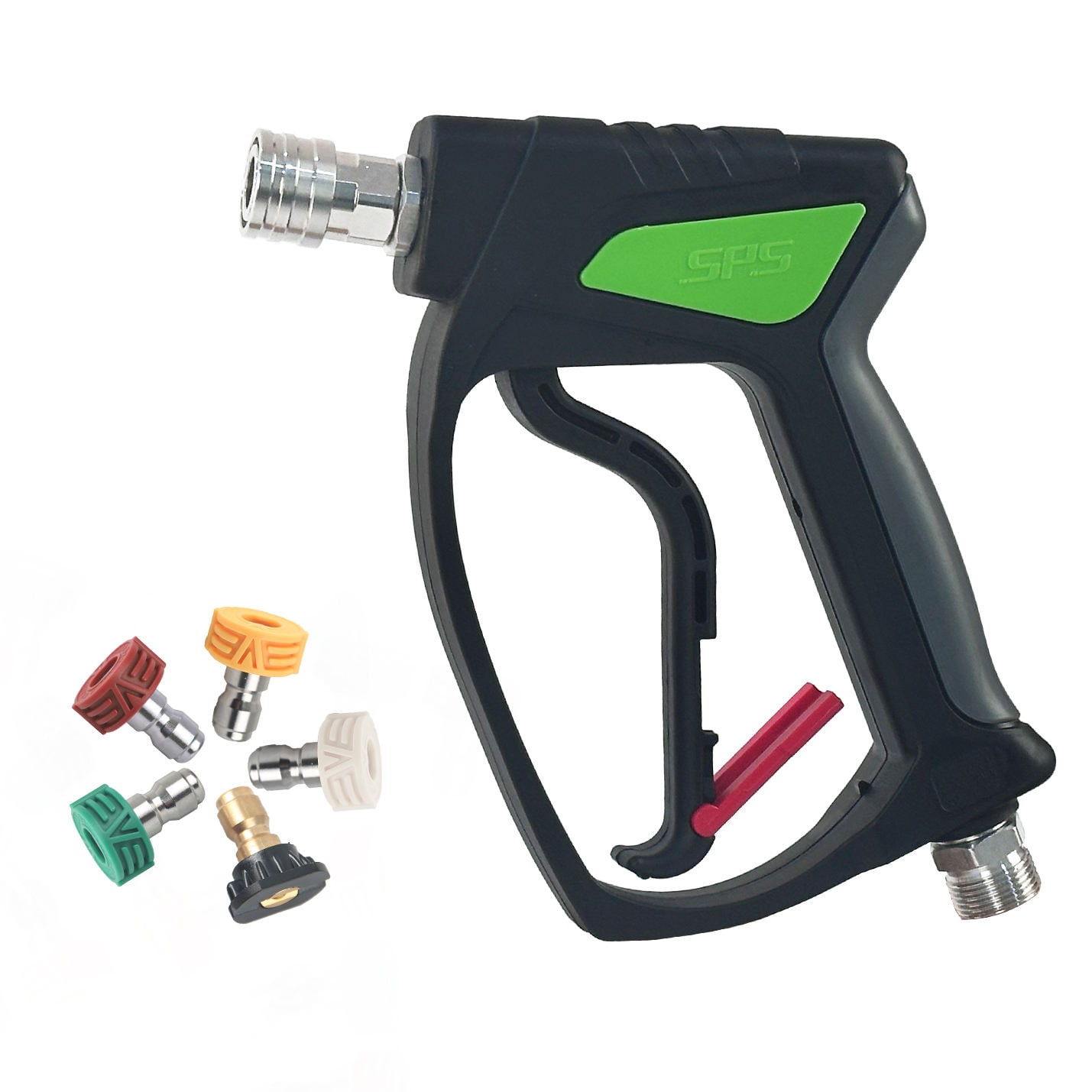
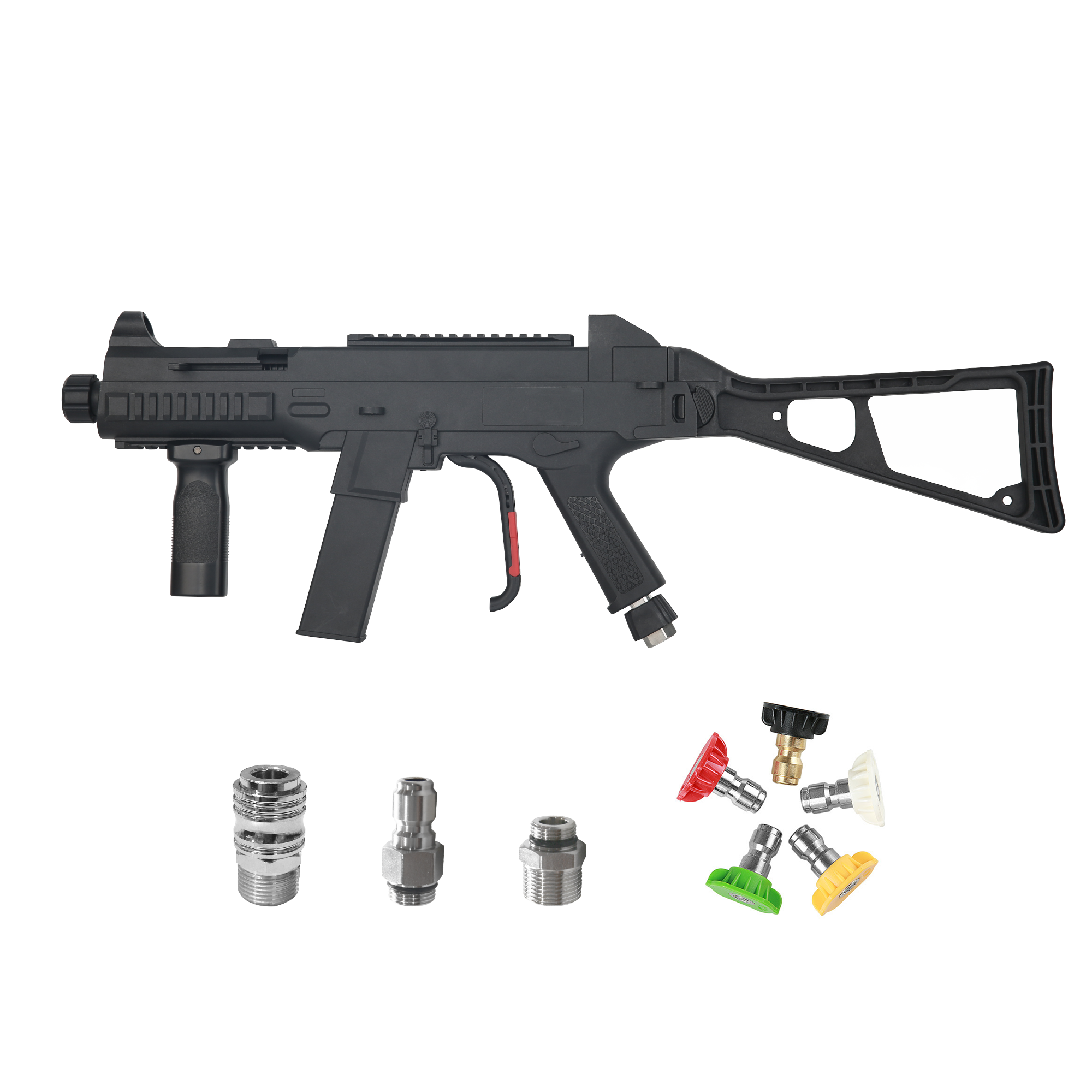
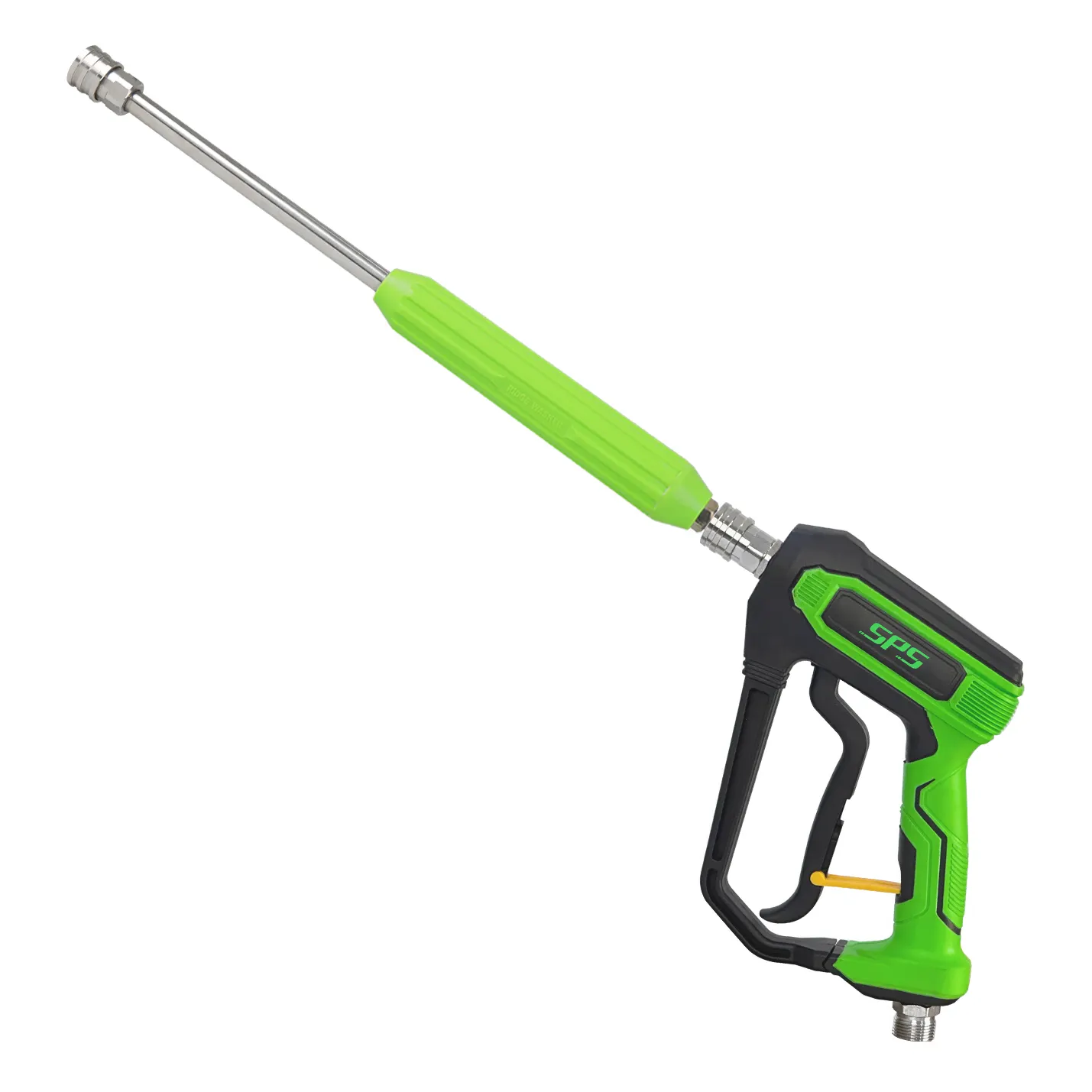
Electric pressure washers are essential tools for various cleaning applications in commercial and industrial settings. They provide powerful cleaning capabilities while being more convenient and environmentally friendly compared to gas-powered models. For B2B buyers, understanding the nuances of strongest electric pressure washer—especially when considering wholesale purchases—can be complex. This article will help purchasing managers, distributors, and engineers make informed decisions by outlining critical factors to consider, installation guidance, common problems and solutions, key features, and cost-effectiveness assessments.
When selecting electric pressure washers for wholesale, several key factors must be evaluated to ensure that the products meet operational needs and quality standards.
Performance Specifications: Electric pressure washers are defined by their PSI (pounds per square inch) and GPM (gallons per minute). Higher PSI indicates greater cleaning power, while GPM affects the speed of cleaning. For industrial applications, a model with at least 2000 PSI and 2.0 GPM is often recommended to tackle tough grime effectively.
Durability and Materials: Construction materials play a crucial role in the longevity of the equipment. Look for models with high-quality plastic and metal components that resist corrosion and wear.
Power Source: Since these are electric models, consider the voltage requirements and power supply availability at your operational site. Some units may require a dedicated circuit.
Customization Options: Depending on the specific applications, it may be beneficial to work with a manufacturer that offers customization options for pressure settings, nozzle types, and additional features such as onboard detergent tanks.
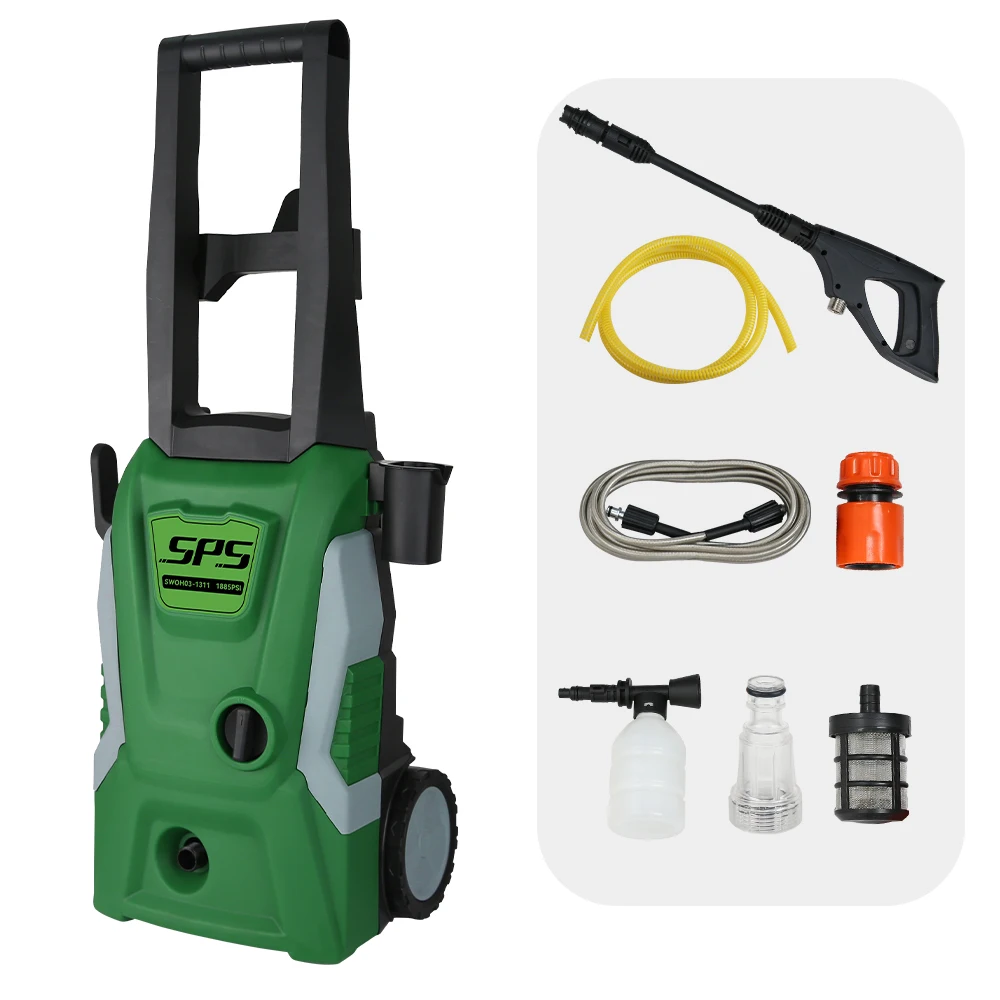
Supplier Reputation and Certifications: Partnering with a reputable manufacturer like SPS, which boasts over 20 years of experience and holds CE and ROHS certifications, ensures that the products meet international standards and quality expectations.
Proper installation of Shiwang electric pressure washers is critical for optimal performance. Here are essential steps and considerations:
Location and Setup: Ensure the installation site is dry, well-ventilated, and adequately equipped with electrical outlets that match the washer's power requirements. The surface should be stable to support the weight of the unit, especially when filled with water.
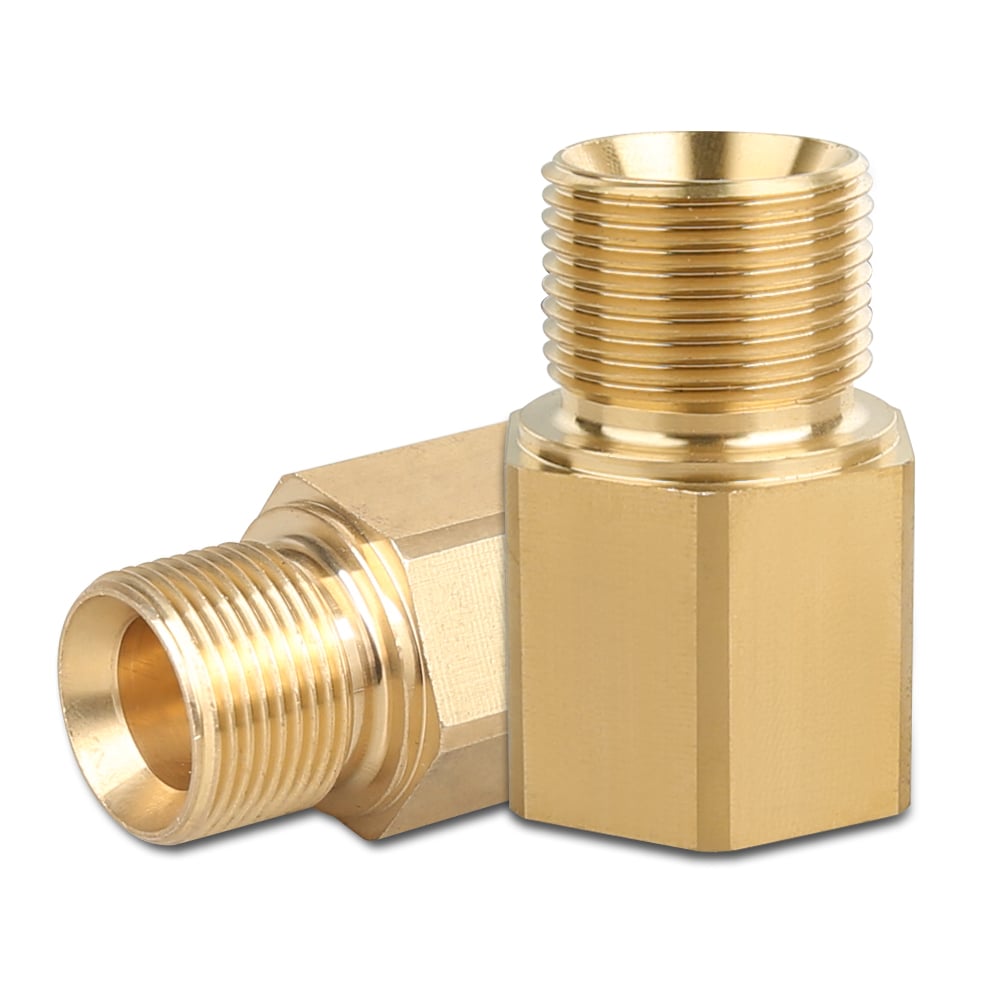
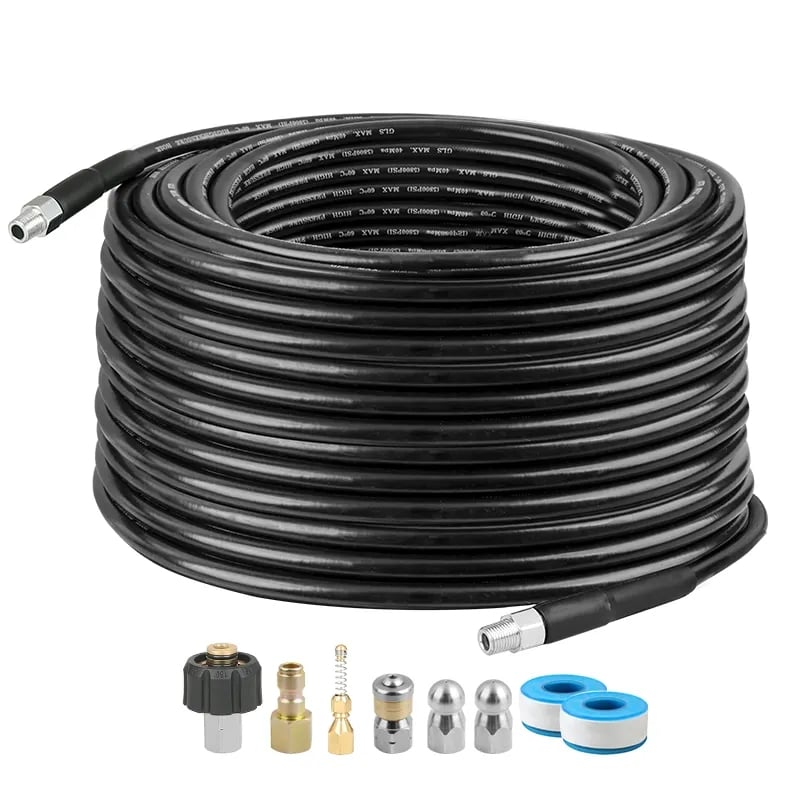
Hose and Accessories: Attach high-pressure hoses securely to prevent leaks. Use appropriate adapters for different nozzle types to ensure compatibility. Ensure that all connections are tight to avoid water loss during operation.
Water Supply: Connect to a reliable water source. Check the supply pressure to confirm it meets the small electric pressure washer requirements, as inadequate water flow can hinder performance.
Safety Precautions: Utilize personal protective equipment (PPE) during installation and operation. Familiarize the team with the user manual, which includes safety features and operational guidelines.
Testing: Once installed, perform a test run to check for leaks, ensure proper pressure levels, and verify that all electrical connections are secure. This step helps identify any potential issues before full-scale use.
While electric pressure washers are generally reliable, users may encounter several common issues:
Loss of Pressure: This can occur due to clogged filters or hoses. Regular cleaning and maintenance can mitigate this. Check the inlet filter and clean it to restore proper flow.
Electrical Issues: If the unit fails to start, check the power supply, ensuring it’s connected to a functioning outlet and that all circuit breakers are operational.
Overheating: Continuous use can lead to overheating, especially in high-demand environments. Ensure the washer is not operated continuously for extended periods. Allow it to cool down periodically to extend its lifespan.
Water Leaks: Leaks can arise from damaged hoses or loose connections. Regularly inspect hoses for wear and replace them as necessary. Tighten any loose fittings to prevent water loss.
Understanding the features of Shiwang electric pressure washers is vital when making purchasing decisions:
Adjustable Pressure Settings: Many models come with adjustable pressure settings, allowing users to tailor the pressure based on the cleaning task. This versatility can prevent surface damage when cleaning delicate areas.
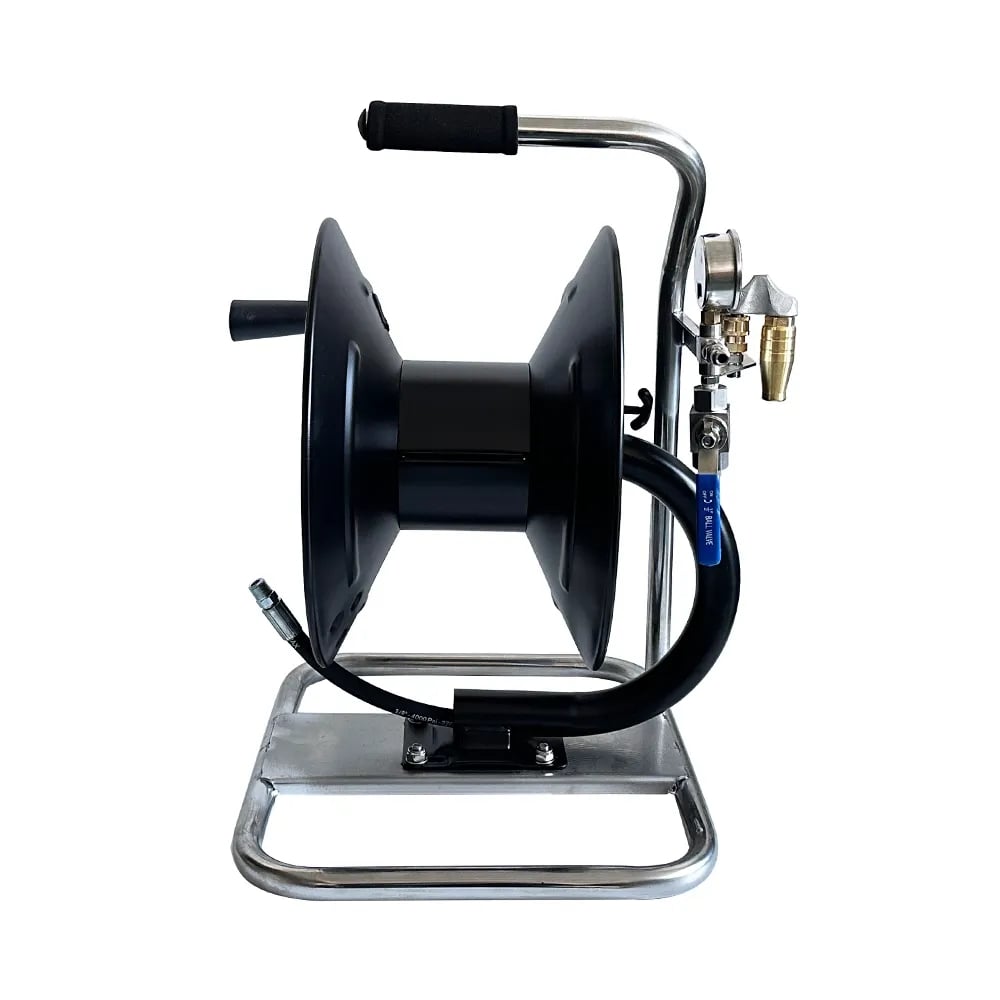
Onboard Storage: Consider models with built-in storage for nozzles, hoses, and detergents, which enhance convenience and efficiency during use.
Wattage and Motor Type: Higher wattage typically means more power and efficiency. Consider brushless motors as they tend to offer longer life and lower maintenance needs compared to brushed motors.
Price Considerations: Prices may vary significantly based on features and specifications. When assessing cost, consider the total cost of ownership, including maintenance, parts, and potential downtime.
MOQ (Minimum Order Quantity): Be aware of the manufacturer’s MOQ, as this can impact your purchasing strategy and inventory management.
Evaluating the cost-effectiveness of Shiwang electric pressure washers involves several considerations:
Initial Investment vs. Operational Costs: Compare the initial purchase price with expected maintenance and operational costs over time. Electric pressure washers tend to have lower operational costs compared to gas-powered alternatives due to reduced fuel and maintenance requirements.
Expected Lifespan: Assess the expected lifespan of the unit based on manufacturer specifications and past performance. Quality models designed by experienced manufacturers like SPS may offer better longevity, enhancing overall value.
Energy Efficiency: Electric models generally consume less energy than gas counterparts, translating to lower utility bills. Look for models with energy-efficient designs that minimize electricity usage without sacrificing performance.
Warranty and Support: A strong warranty and customer support can significantly enhance the cost-effectiveness of your investment. Manufacturers with robust service offerings can help reduce downtime and repair costs.
Return on Investment (ROI): Calculate the ROI based on expected usage and the efficiency gains from using electric pressure washers. A model that reduces cleaning time while providing superior results will yield a favorable ROI.
By considering these factors, B2B buyers can make informed decisions regarding industrial electric pressure washer, ensuring they choose the right model to meet their specific operational needs.

Copyright © Taizhou Shiwang Cleaning Equipment Co.,Ltd. All Rights Reserved | Privacy Policy | Blog
 EN