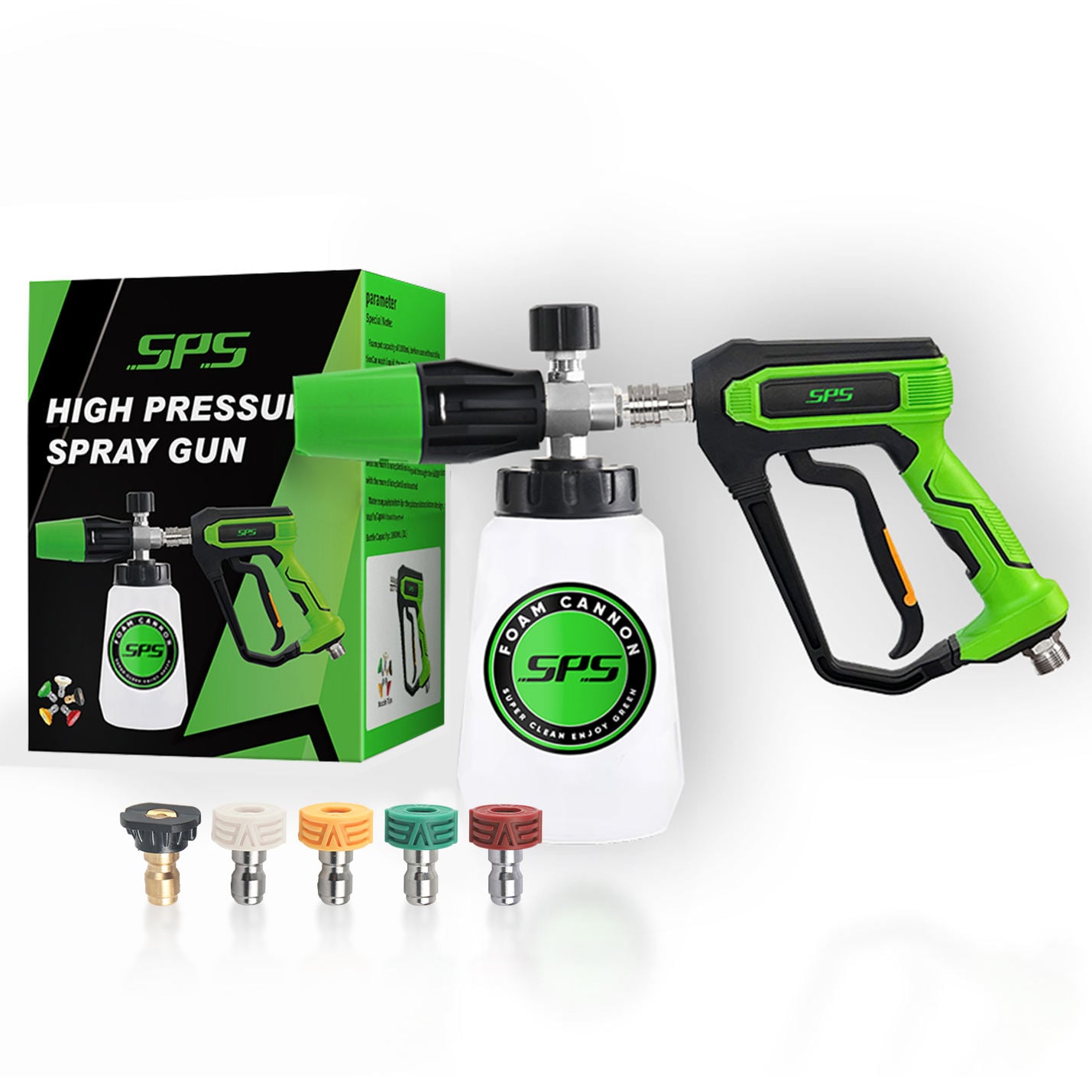
Portable electric power washers are essential tools in various industries, offering efficient cleaning solutions for a broad spectrum of applications. For B2B buyers, understanding the intricacies of these Shiwang best foaming car wash for pressure washer—such as their specifications, quality, cost factors, and installation—is crucial for making informed purchasing decisions. This article will provide practical insights into evaluating portable electric power washers, addressing common concerns, and guiding you through critical considerations in the procurement process.
When assessing the quality of portable electric power washers, several key specifications should be considered:
Pressure Ratings: Measured in PSI (pounds per square inch), the pressure rating determines the Shiwang best pressure washer for snow foam cleaning power. For commercial applications, a PSI of 1500 to 3000 is typically recommended, depending on the surface being cleaned.
Flow Rate: This is measured in GPM (gallons per minute) and indicates how much water the washer can use. Higher flow rates can enhance cleaning efficiency, as they allow for a quicker rinse.
Motor Specifications: Look for the type of motor (induction vs. universal), as induction motors tend to be more durable and quieter, making them suitable for prolonged use in industrial settings.
Build Quality: Examine the materials used in the construction, especially the pump. Brass pumps are often more durable than plastic ones and can withstand higher pressures.
Certifications: Ensure the product has relevant certifications such as CE and ROHS, which indicate compliance with safety and environmental regulations.
By confirming these specifications, buyers can better gauge the performance and reliability of a portable Shiwang pressure washer gun with foam cannon, ensuring it meets their operational needs.
When planning for bulk orders of portable electric power washers, several cost factors should be taken into account:
Unit Price: Bulk orders often come with discounts, but the initial unit price can vary based on specifications and customization options. Always request a detailed quotation that includes pricing tiers.
Shipping and Handling: Consider the cost of shipping based on the size and weight of the washers. Factor in potential tariffs for international shipments if sourcing from overseas manufacturers.
Customizations: Custom features, such as specific nozzle types, motor configurations, or branding, may incur additional costs. Be clear about your requirements when discussing orders with suppliers.
Warranty and Support: Evaluate the warranty offered as part of the purchase. A robust warranty can save costs in the long run by covering repairs or replacements.
Minimum Order Quantity (MOQ): Understand the supplier’s MOQ, as ordering below this threshold may increase the unit cost significantly.
Awareness of these factors can help streamline the procurement process and ensure that total costs align with budgetary constraints.
Proper installation of portable electric power washers is essential for optimal performance and longevity. Here are some key steps to consider:
Location Selection: Choose a stable, flat surface with adequate drainage to prevent water pooling. Ensure the area is free from obstructions that could disrupt operation.
Power Source: Verify that the power supply matches the washer’s requirements. Many portable electric power washers require a standard outlet, but some may need dedicated circuits for higher-powered models.
Hose and Connections: Ensure that hoses are securely connected and free of leaks. It's advisable to check for any kinks or damage before use that might affect water flow.
Pressure Settings: Familiarize yourself with the pressure settings before starting. Adjust the pressure according to the surface being cleaned to avoid damage.
Safety Checks: Always perform safety checks, such as ensuring that water connections are secure and that the power supply is correctly configured to avoid electrical hazards.
Following these guidelines can enhance the effectiveness of the cleaning process while ensuring safety during operation.
Despite their reliability, portable electric power washers can encounter issues. Here are some common problems and how to address them:
Loss of Pressure: This can occur due to clogged filters or worn-out seals. Regular maintenance, including cleaning filters and replacing seals, can help maintain pressure levels.
Motor Not Starting: Check the power supply first. If the power source is functional, inspect the power cord and plug for damage. If these are intact, the motor may require professional servicing.
Water Leakage: Leaks can stem from loose fittings or damaged hoses. Tighten connections and replace any faulty hoses to resolve this issue.
Overheating: If the machine overheats, it may be due to extended use without breaks. Allow the washer to cool down periodically during heavy jobs and ensure proper ventilation.
Foaming Issues: Excessive foam can result from using the wrong detergent. Always use products recommended by the manufacturer to ensure compatibility with the washer.
By recognizing these problems early and implementing effective solutions, users can minimize downtime and maintain the efficiency of their electric power washers.
Portable electric power washers find applications across multiple industries, each benefiting from their unique capabilities:
Manufacturing: Used for cleaning machinery and equipment, these washers help maintain operational efficiency and ensure safety by removing hazardous residues.
Construction: Power washers are essential for cleaning construction sites and heavy machinery, effectively removing dirt, grime, and debris that accumulate during projects.
Automotive: In automotive workshops, these tools are employed to clean vehicles, engines, and parts, enhancing the quality of service and improving customer satisfaction.
Food Industry: Hygiene is critical in food processing and preparation areas. Power washers assist in maintaining cleanliness, ensuring compliance with health regulations.
Facility Management: Facilities managers use these tools for cleaning building exteriors, parking lots, and outdoor spaces, promoting a clean and professional environment.
Understanding the specific applications of portable electric power washers can help buyers select the right model tailored to their industry needs, ensuring effective and efficient cleaning solutions.

Copyright © Taizhou Shiwang Cleaning Equipment Co.,Ltd. All Rights Reserved | Privacy Policy | Blog
 EN