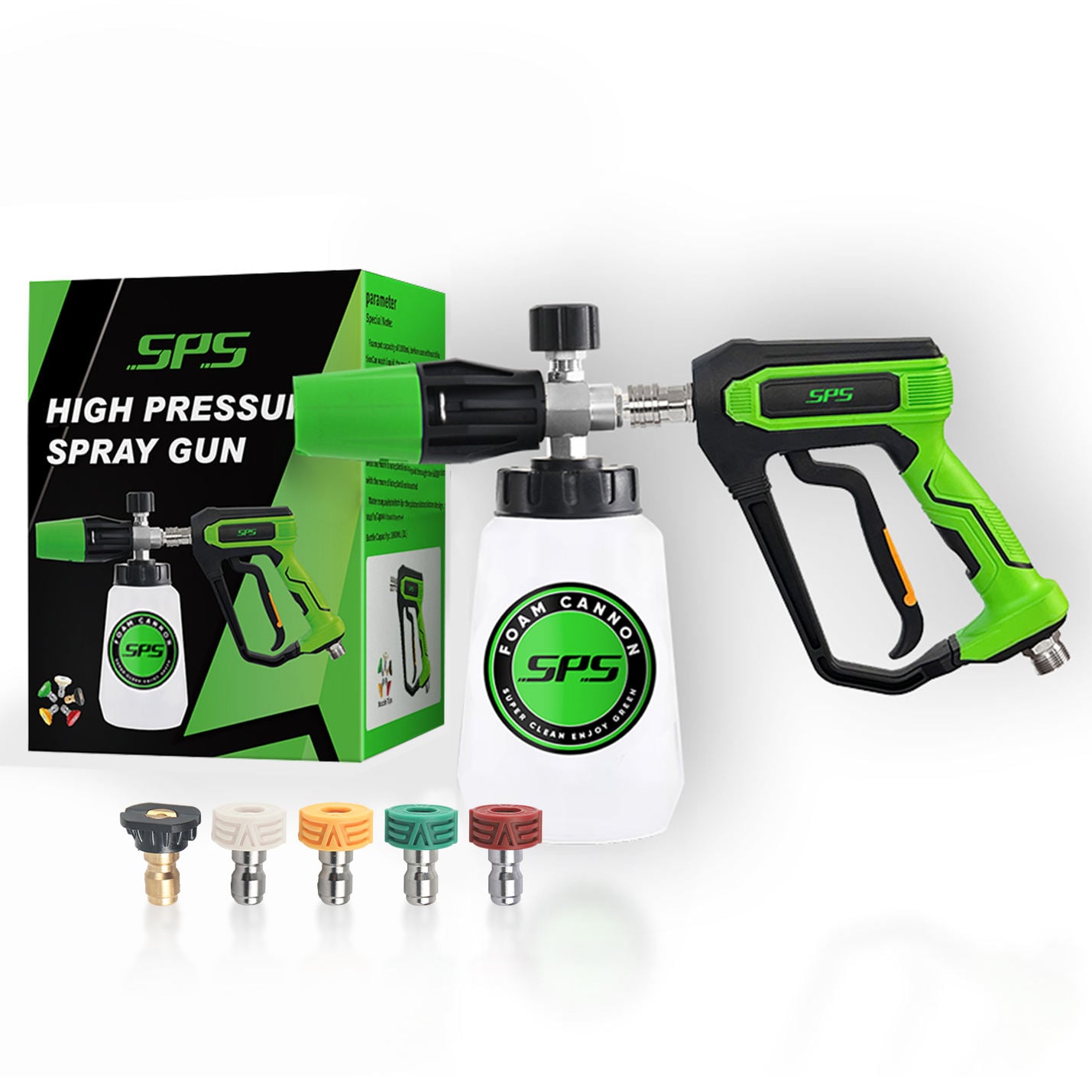
A lance for a power washer is a critical accessory that can significantly influence the effectiveness and efficiency of high-pressure cleaning tasks. For B2B buyers, such as purchasing managers, distributors, and engineers, selecting the right lance involves understanding various factors, including materials, compatibility, and application suitability. This article aims to guide you through the essential considerations and best practices for choosing the appropriate power washer lance, ensuring optimal performance and value for your investment.
When sourcing lances for power washers, several factors should be prioritized to ensure compatibility and performance. Key considerations include:
Material Selection: The material affects durability and resistance to chemical exposure. Common materials include plastic, aluminum, and stainless steel. Stainless steel offers excellent corrosion resistance, making it suitable for harsh environments.
Length and Diameter: The dimensions of the lance should correspond to the intended cleaning tasks. A longer lance may be necessary for reaching high surfaces, while a wider diameter can facilitate higher flow rates.
Pressure Rating: Ensure the lance can handle the maximum pressure output of your power washer. Mismatched pressure ratings can lead to equipment failure or inadequate cleaning results.
Nozzle Compatibility: Different nozzles offer varied spray patterns and pressure levels. Confirm that the foam lance for pressure washer is compatible with the specific nozzles you plan to use.
Customization Options: Many manufacturers, including SPS, offer customization services that allow you to specify lengths, materials, and other features to fit your unique cleaning requirements.
When preparing to buy lances for power washers, follow this structured approach:
Define Your Requirements: Identify the cleaning applications, such as industrial cleaning, vehicle washing, or surface preparation. Each application may call for different lance specifications.
Request Specifications and Samples: Before making bulk purchases, request detailed specifications and samples. Evaluate the samples for weight, balance, and overall build quality.
Check Manufacturing Capabilities: Ensure the supplier has advanced manufacturing capabilities, such as CNC machining and quality control processes. SPS, for instance, employs advanced CNC equipment to ensure precision and consistency.
Understand Pricing Factors: Factors influencing pricing include material costs, complexity of design, and order volume. Be clear about your budget while ensuring you do not compromise on quality.
Lead Time and MOQs: Confirm lead times and minimum order quantities (MOQs) with the supplier. This ensures you can manage inventory effectively and avoid production delays.
Choosing the best lance for your power washer depends on several factors:
Application Suitability: For heavy-duty applications, a stainless steel lance may be ideal due to its durability. Conversely, lighter plastic lances might suffice for less demanding tasks.
User Comfort: Consider ergonomic designs that reduce user fatigue during prolonged use. Features such as rubber grips and balanced weight distribution can enhance usability.
Adjustability: Some lances come with adjustable lengths or interchangeable nozzles for added versatility. Assess whether these features align with your operational needs.
Environmental Compliance: Ensure that the materials and design comply with any relevant environmental regulations, especially if used in sensitive areas.
To guarantee optimal performance of your power washer lance, consider the following practices:
Regular Maintenance: Inspect and clean lances regularly to prevent clogs and ensure smooth operation. Pay attention to the nozzle and connection points.
Proper Storage: Store lances in a dry environment to prevent corrosion. Avoid bending or kinking hoses that could lead to damage.
Testing Under Real Conditions: Before mass production or bulk purchases, conduct tests under actual operating conditions to verify performance and compatibility.
Quality Control Checks: Implement quality control measures to ensure that all lances meet the specified standards before use. This includes checking for defects and confirming functionality.
Understanding common issues can help prevent operational hiccups:
Clogs: Dirt and debris can clog nozzles. Regularly clean the nozzle and foam lance to maintain optimal flow.
Pressure Drops: If the pressure drops during use, check for leaks or blockages in the lance or hose. Ensuring proper connections can also help.
Wear and Tear: Over time, lances may experience wear, especially at connection points. Regularly inspect these areas and replace worn components as needed.
Compatibility Issues: Ensure that lances are compatible with your power washer's specifications. Mismatched pressure ratings or fittings can lead to performance issues.
By considering these factors, you can select the right lance for your power washer, ensuring effective and efficient cleaning operations. With over 20 years of experience in manufacturing high-pressure cleaning tools, SPS is equipped to provide customized solutions that meet industry standards and customer requirements.

Copyright © Taizhou Shiwang Cleaning Equipment Co.,Ltd. All Rights Reserved | Privacy Policy | Blog
 EN