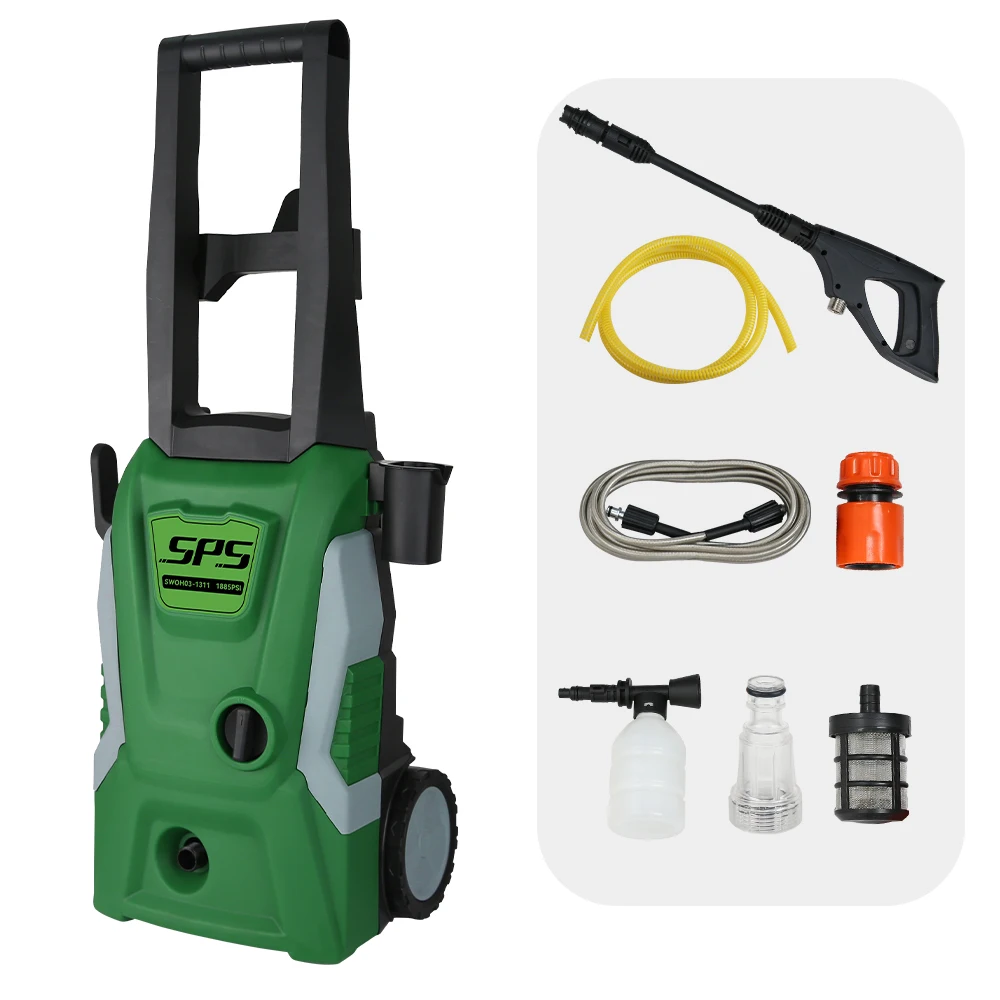
High power pressure washers are essential tools for a variety of industries, providing efficient cleaning solutions that can handle tough grime and dirt. As a purchasing manager or product manager, your main concerns likely revolve around performance, reliability, and suitability for specific applications. This article will guide you through the key considerations when selecting a high power pressure washer, including supplier reliability, material advantages, cost factors, and effective applications across different sectors.
When purchasing high power pressure washers, several key specifications and features should be evaluated:
Pressure Rating: Measured in PSI (pounds per square inch), the pressure rating indicates the washer's cleaning power. Higher PSI is suitable for heavy-duty applications such as industrial cleaning, while lower PSI may suffice for smaller tasks.
Flow Rate: This is measured in GPM (gallons per minute) and indicates how much water the washer can deliver. A higher flow rate helps to rinse away dirt and grime more effectively, making it ideal for large surface areas.
Motor Power: The motor's horsepower affects the pressure and flow rate. Electric models typically range from 1.5 to 5 HP, while gas models can exceed 10 HP. Consider the intended application when choosing motor type and power.
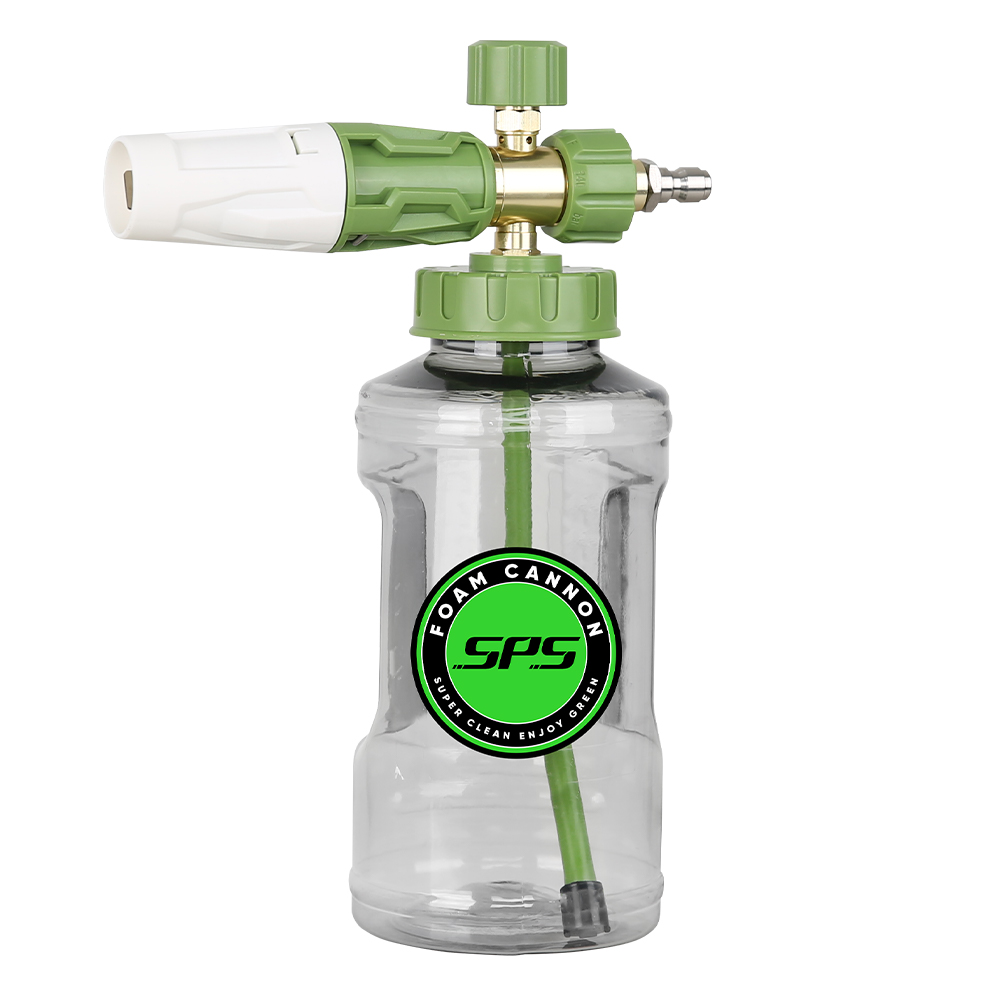
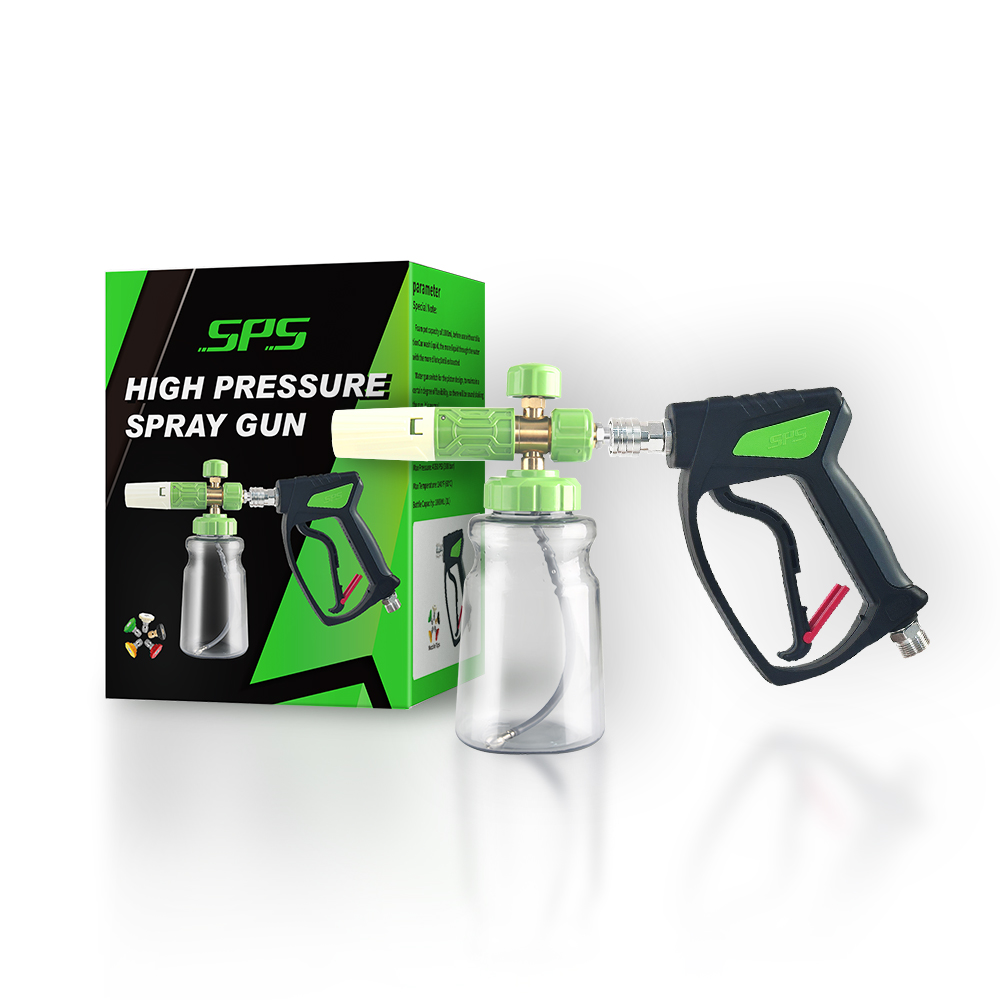
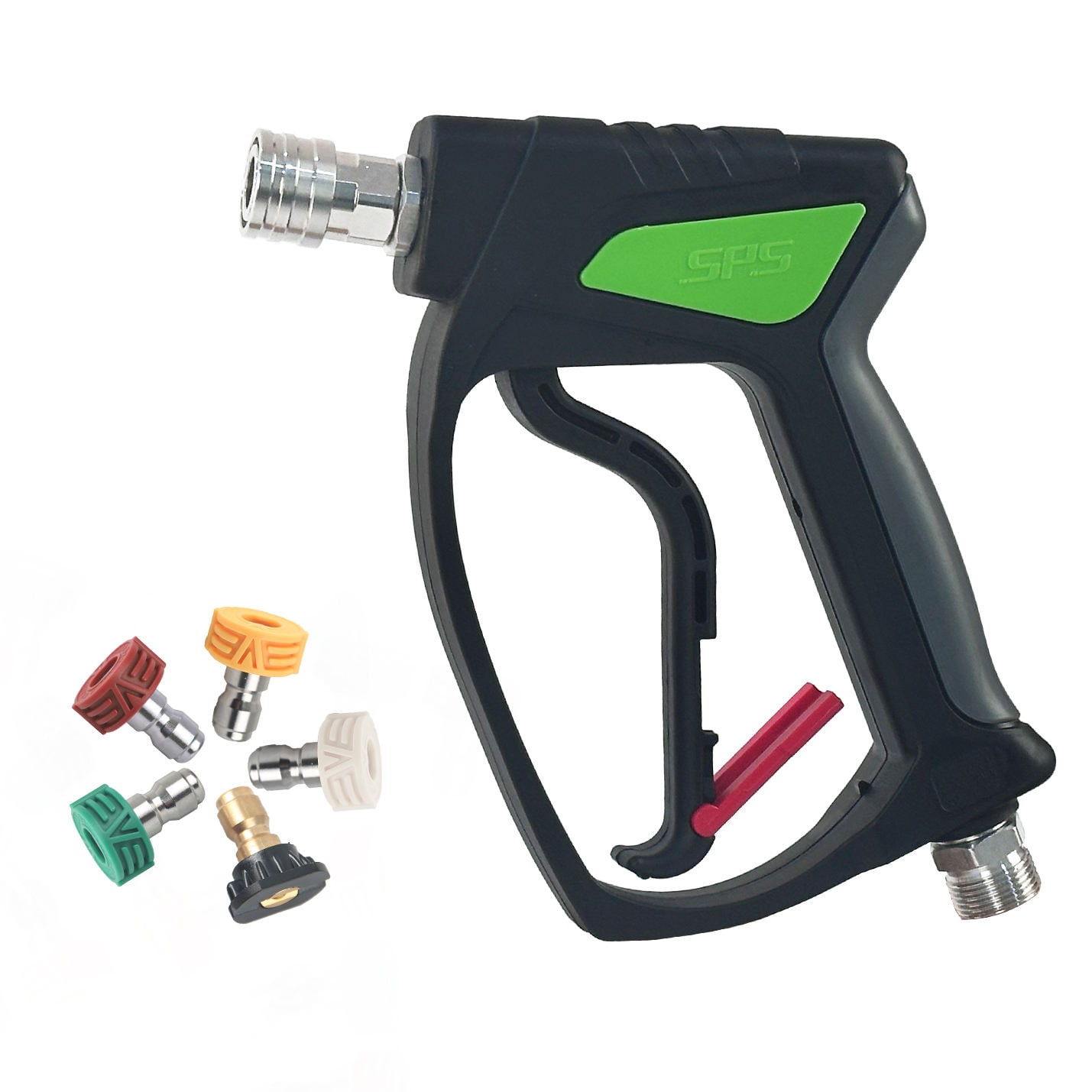
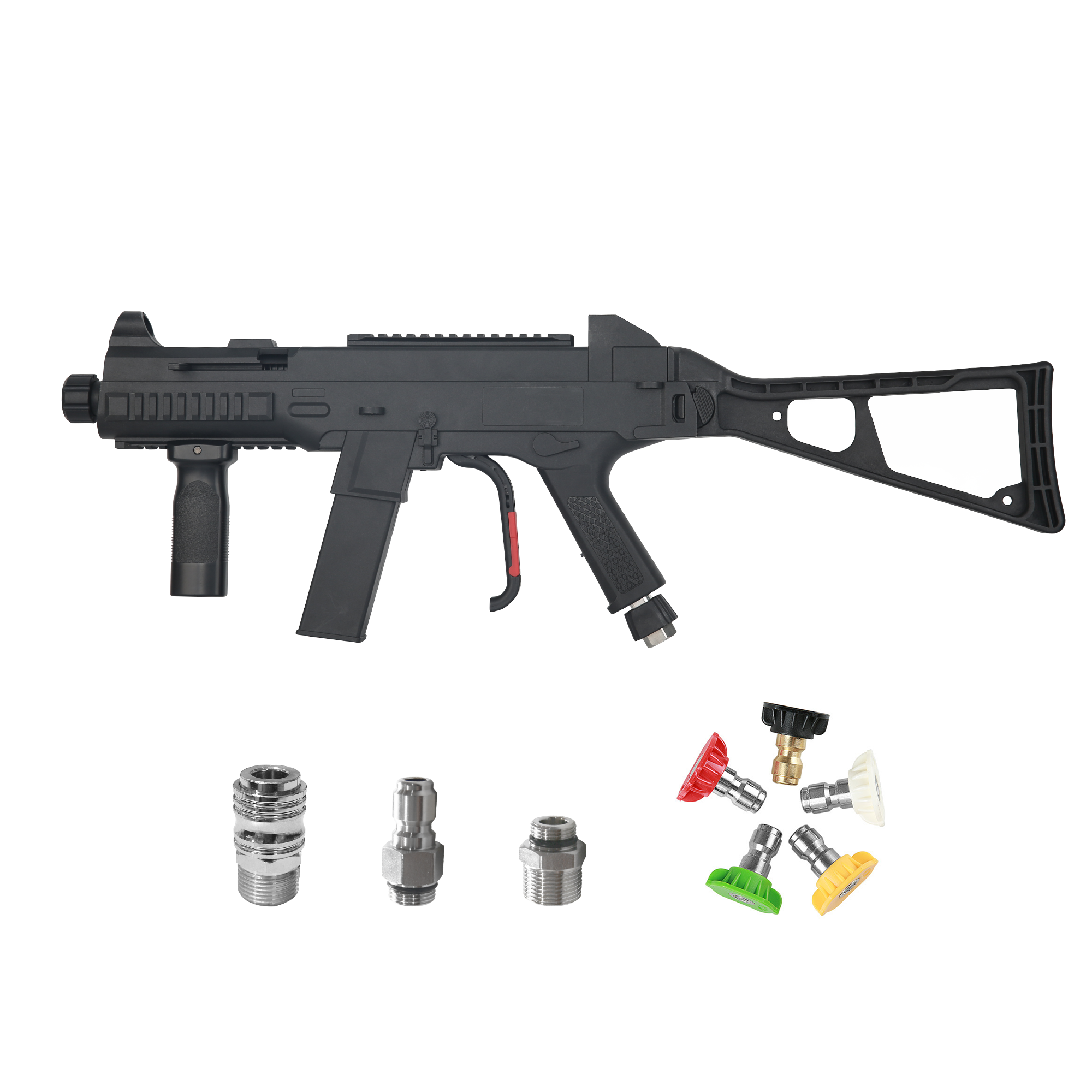
Nozzle Types: Different nozzles provide varied spray patterns and pressure levels. Adjustable nozzles are versatile for different tasks, while specific nozzles are designed for particular cleaning jobs.
Durability: Look for washers made from high-quality materials such as stainless steel or reinforced plastics. This ensures longevity, especially in industrial settings where equipment is frequently used.
By understanding these specifications, buyers can select high power automatic pressure washer that meet their unique needs and operational requirements.
Identifying trustworthy suppliers is crucial for ensuring product quality and reliability. Start by considering manufacturers with a robust reputation in the industry, such as SPS, which boasts over 20 years of experience in designing and producing high-pressure cleaning tools. Here are some strategies to find dependable suppliers:
Industry Trade Shows: Attending trade shows allows you to meet suppliers face-to-face, evaluate their products in person, and discuss your specific needs.
Online Directories: Websites that list manufacturers and suppliers can be valuable resources. Look for companies with positive reviews and verified certifications like CE and ROHS.
Networking: Reach out to industry contacts or forums to gather recommendations and insights about reputable suppliers.
Sample Requests: Before committing to a large order, request samples to assess quality and performance. This also allows for testing compatibility with your existing equipment.
Customization Capabilities: Ensure the supplier can provide customized solutions to meet your specific requirements, including unique specifications or branding needs.
By following these guidelines, you can find reliable suppliers that align with your business objectives and quality standards.
The materials used in high power pressure washers significantly affect their performance and longevity. Key considerations include:
Corrosion Resistance: Stainless steel is often preferred for components exposed to harsh chemicals or weather conditions, as it resists rust and corrosion.
Durability: Components made from high-impact plastics or reinforced metals can withstand the rigors of industrial environments, reducing the need for frequent replacements.
Weight and Portability: Lightweight materials enhance portability, allowing for easier transportation. However, ensure that the weight does not compromise stability during operation.
Thermal Resistance: For hot water pressure washer, materials must withstand high temperatures without degrading. Look for heat-resistant components that maintain performance over time.
By selecting high power pressure washers made from appropriate materials, buyers can ensure their equipment meets the demands of industrial cleaning tasks while minimizing maintenance costs.
When purchasing high power pressure washers in bulk, understanding the cost factors involved is essential for effective budgeting:
Initial Purchase Price: While lower upfront costs may be attractive, consider the long-term value of higher-quality equipment. Cheaper models may incur additional maintenance costs over time.
Quantity Discounts: Many suppliers offer discounts for bulk purchases. Inquire about pricing tiers based on order volume to maximize savings.
Shipping and Handling: Factor in transportation costs, especially if ordering from international suppliers. Some manufacturers, like SPS, may offer competitive shipping rates.
Warranty and After-Sales Support: Evaluate warranty terms and the availability of customer support. A robust warranty can save costs on repairs and replacements.
Operational Costs: Consider the ongoing costs associated with using the pressure washers, including water, energy consumption, and maintenance.
By analyzing these cost factors, buyers can make informed decisions that align with their operational budgets and long-term financial goals.
High power pressure washers are versatile tools applicable across various industries. Some of the most effective applications include:
Manufacturing Facilities: Used to clean machinery, production lines, and factory floors, high power electric water pressure washer help maintain hygiene and operational efficiency.
Construction Sites: These washers effectively remove dirt, debris, and contaminants from equipment and surfaces, ensuring safety and compliance with industry standards.
Automotive Industry: Automotive manufacturers and repair shops use pressure washers to clean vehicles, parts, and workshop floors, enhancing appearance and safety.
Food Processing Plants: In this sector, hygiene is paramount. High power pressure washers can sanitize surfaces and equipment, helping to meet health regulations.
Agriculture: Farmers use pressure washers to clean equipment and facilities, promoting bio-security and equipment maintenance.
Understanding these applications can help buyers select high power pressure washers that best fit their industry needs, ensuring optimal performance and efficiency.
By considering these factors and leveraging practical knowledge, B2B buyers can confidently navigate the purchasing process for high power pressure washers, ensuring they invest in equipment that meets their operational requirements and quality standards.

Copyright © Taizhou Shiwang Cleaning Equipment Co.,Ltd. All Rights Reserved | Privacy Policy | Blog
 EN