Choosing the right electric pressure washer for home use is essential for homeowners looking to maintain their property, as well as for contractors needing reliable equipment. These washers are highly effective for cleaning driveways, patios, cars, and outdoor furniture. However, with various options available, B2B buyers must consider factors such as performance, durability and usability to ensure they select the most suitable model for their needs. This article will guide you through the main considerations when purchasing an electric pressure washer, sourcing options for wholesale, common issues, installation guidelines, and the versatility these machines offer.
Selecting an electric pressure washer involves several key considerations that directly impact its effectiveness and suitability for specific tasks.
Pressure Rating: The pressure, measured in pounds per square inch (PSI), indicates how forcefully water is expelled. For most home tasks, a washer with a PSI of 1300 to 2000 is adequate. Higher PSI levels are suitable for tougher jobs, such as stripping paint or cleaning heavily soiled surfaces.
Flow Rate: Measured in gallons per minute (GPM), the flow rate determines how much water the washer can deliver. A higher GPM helps complete cleaning tasks more quickly, which is especially beneficial for larger areas. Look for models with a GPM of at least 1.2 for effective cleaning.
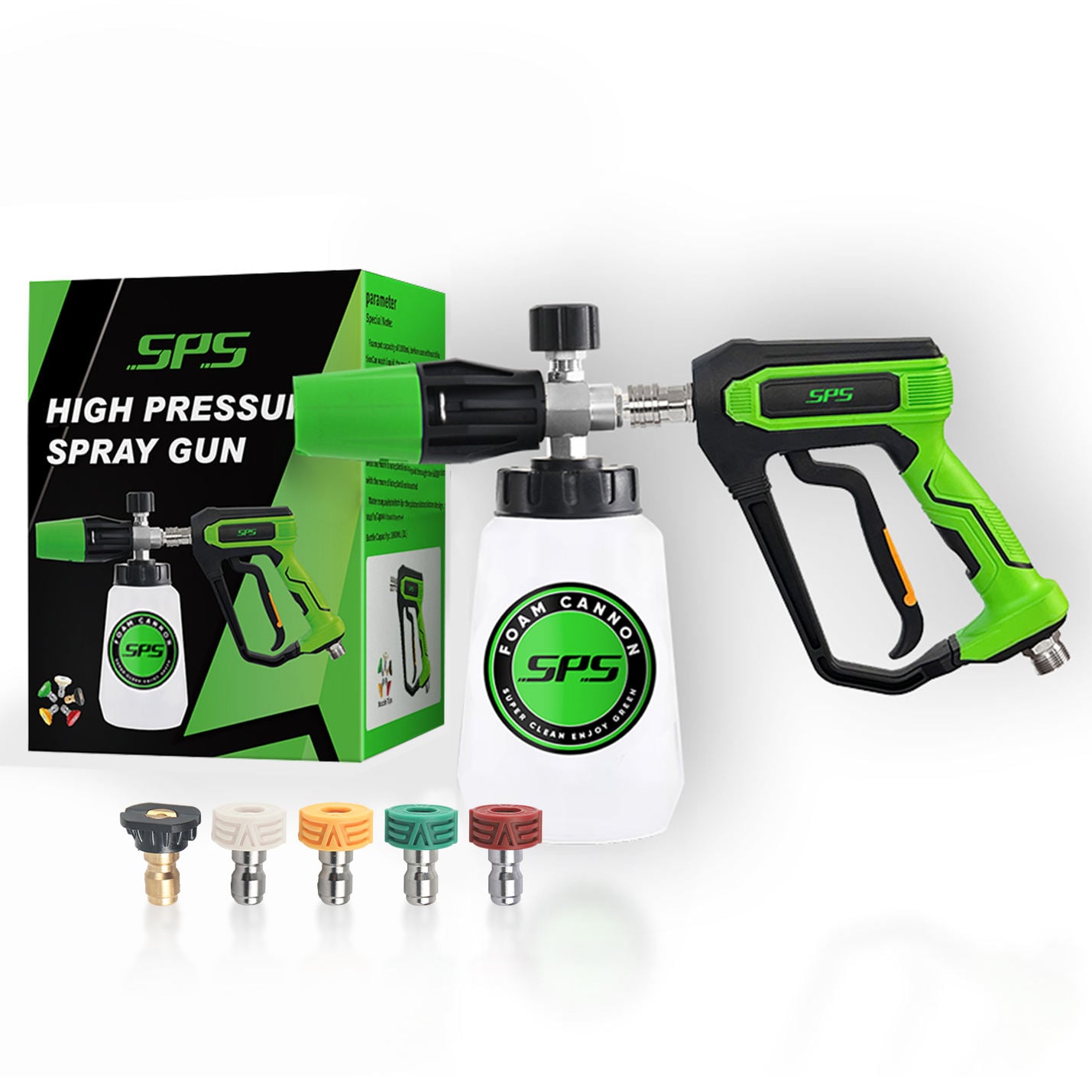
Nozzle Options: Different nozzles provide various spray patterns, from a concentrated jet to a wider fan spray. Consider models that offer interchangeable nozzles to adapt to different cleaning requirements.
Portability and Weight: If the washer needs to be moved frequently, weight and design matter. Lightweight models with wheels are easier to transport and maneuver.
Durability and Build Quality: Given that electric pressure washer washers can be expensive, look for models constructed from high-quality materials that can withstand wear and tear. Check for certifications such as CE and ROHS, which indicate compliance with international safety standards.
User-Friendly Features: Features such as an ergonomic handle, easy-start mechanisms, and onboard storage for hoses and accessories enhance usability and convenience.
By thoroughly evaluating these factors, buyers can ensure they are making an informed decision tailored to their cleaning needs.
When sourcing electric pressure washers for wholesale purchase, establishing relationships with reputable manufacturers is crucial. Look for suppliers with a proven track record in the industry, such as SPS, which has over 20 years of experience in designing and producing high-pressure cleaning tools.
Evaluate Manufacturer Capabilities: Assess the manufacturer’s production capabilities, including their machining and assembly processes. Advanced CNC equipment and quality control measures ensure that the products meet international standards.
Customization Options: Consider suppliers that offer customization capabilities. This allows you to tailor products to specific market demands, such as varying pressure ratings or additional features.
Certifications: Ensure the supplier holds relevant certifications, such as CE and ROHS, which demonstrate compliance with safety and environmental regulations.
Export Experience: A manufacturer with experience in international markets can provide insights into logistics and regulatory requirements, making the sourcing process smoother.
MOQ and Pricing: Understand the minimum order quantities (MOQ) and pricing structures. Competitive pricing can significantly affect your profit margins, so compare different suppliers before making a decision.
By focusing on these aspects, buyers can secure reliable and high-quality electric small electric pressure washer that meet their business needs.
Even high-quality electric pressure washers can encounter issues during operation. Understanding common problems and their solutions can save time and ensure efficient use.
Loss of Pressure: If the washer is not delivering the expected pressure, check for clogs in the nozzle or hose, ensure that connections are tight, and verify that the water supply is adequate.
Electric Motor Failure: Overheating can lead to motor failure. Using the washer beyond its recommended run time can cause this issue. Allow the machine to cool down periodically during extensive use.
Water Leaks: Leaks may occur at connection points if seals or hoses are damaged. Inspect all connections and consider replacing worn parts to maintain efficiency.
Power Issues: If the washer does not start, check the power supply, cords, and connections. Ensure that the outlet is functioning and that circuit breakers are not tripped.
Inconsistent Performance: This can often be attributed to incorrect nozzle selection or improper maintenance. Regularly cleaning filters and maintaining the unit can prevent performance issues.
By proactively addressing these problems, users can prolong the lifespan of their electric industrial electric pressure washer washers and enhance their cleaning efficiency.
Proper installation of electric pressure washers is vital for safe and effective operation. Follow these guidelines to ensure a successful setup:
Location: Install the pressure washer in a well-ventilated area with a stable surface. Ensure that the area is free from obstructions and away from flammable materials.
Electrical Setup: Use a grounded outlet that meets the power requirements of the pressure washer. Avoid using extension cords if possible, as they can reduce performance and pose safety risks.
Water Supply: Connect the washer to a stable water supply with sufficient pressure. Ensure that hoses are free from kinks and that all connections are secure to prevent leaks.
Safety Features: Familiarize yourself with the safety features of the unit, such as automatic shut-off mechanisms and thermal protection. Ensure that all users understand the correct operational procedures.
Testing: Before beginning any cleaning tasks, run the unit briefly to ensure that it is functioning correctly. Check for leaks or unusual noises that may indicate issues.
Following these installation guidelines can help enhance the safety and efficiency of electric pressure washers in residential settings.
Electric pressure washers offer significant versatility for both homeowners and contractors. Their ability to tackle a variety of cleaning tasks makes them an essential tool in many scenarios.
Home Maintenance: Homeowners can use electric pressure washers for routine tasks such as cleaning driveways, siding, decks, and outdoor furniture. They are effective at removing dirt, mold, and mildew, enhancing the aesthetic appeal of properties.
Vehicle Cleaning: These washers are perfect for cleaning cars, trucks, and boats. The adjustable pressure settings allow for safe washing without damaging paint or finishes.
Contractor Applications: For contractors, electric pressure washers can be used on job sites for cleaning tools, equipment, and surfaces. They can also assist in paint preparation and surface restoration, providing a professional finish.
Environmental Considerations: Electric pressure washers typically use less water than traditional methods and do not produce harmful emissions making them a more environmentally friendly choice for cleaning.
Attachments and Accessories: Many models come with various attachments, such as brushes or surface cleaners, allowing for specialized applications, further enhancing their versatility.
By understanding the various applications of electric pressure washers, buyers can leverage these tools for diverse cleaning needs, maximizing their value in both residential and commercial settings.

Copyright © Taizhou Shiwang Cleaning Equipment Co.,Ltd. All Rights Reserved | Privacy Policy | Blog
 EN