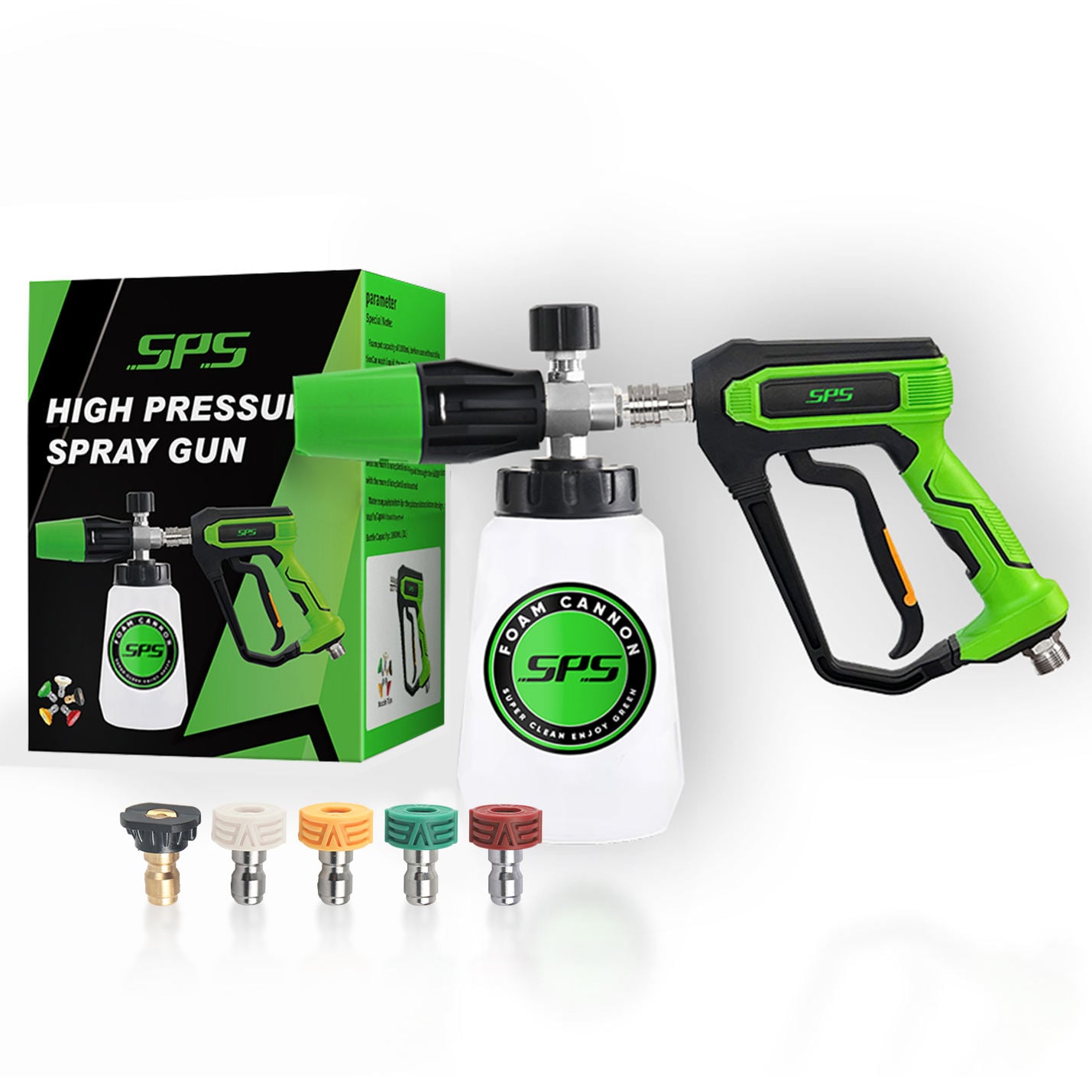
A 2000 PSI pressure washer is a versatile cleaning tool that combines high pressure and flow rate to tackle a variety of tough cleaning tasks in industrial and commercial settings. For B2B buyers, especially purchasing managers and facility operators, the primary concerns often revolve around choosing the right model that meets performance requirements, understanding the technical specifications, and ensuring reliability for bulk orders. This article will provide insights into selecting automatic pressure washer, its key specifications, common problems, and material advantages, helping you make an informed purchasing decision.
When selecting a Shiwang 2000 PSI pressure washer for bulk orders, several factors should be carefully evaluated. First, assess the intended applications: will the washers be used for cleaning vehicles, machinery, or surface preparation? Each application may necessitate different nozzle types or accessories for optimal performance.
Next, consider the power source. Electric pressure washers are quieter and more suitable for indoor use, while gas-powered models typically offer greater mobility and higher pressure outputs. Additionally, evaluate the weight and portability of the units. For frequent transportation between job sites, lighter models with integrated wheels may be beneficial.
Customization options are also crucial. A reputable manufacturer like SPS can provide tailored solutions to meet specific customer requirements, including custom branding or specific feature sets. Furthermore, ensure that the manufacturer has robust quality control processes in place, as this will guarantee consistent performance across all units.
Understanding the key specifications of 2000 PSI pressure washers is vital for wholesale buyers. Here are some critical parameters to consider:
Pressure Rating: The 2000 PSI rating indicates the maximum pressure the washer can deliver, which is sufficient for most heavy-duty cleaning tasks. However, verify that this pressure is suitable for your specific cleaning applications to avoid damage to surfaces.
Flow Rate: Measured in gallons per minute (GPM), the flow rate affects cleaning efficiency. A higher GPM allows for quicker cleaning but may require larger water supply lines. Aim for at least 1.5 GPM for effective performance.
Pump Type: Look for washers with axial cam pumps, which are standard for residential use, or triplex pumps for commercial applications, known for their durability and longevity.
Nozzle Types: Different nozzles provide varying spray patterns (0°, 15°, 25°, and 40°) to accommodate different cleaning tasks. Ensure the model includes interchangeable nozzles to increase versatility.
Hose Length: A longer hose provides greater reach without moving the unit, which can be a significant factor in larger work environments.
Confirming these specifications will help ensure that the chosen models meet operational needs and enhance overall cleaning efficiency.
When preparing to purchase a 2000 PSI pressure washer, it’s essential to approach the RFQ process with a clear understanding of your requirements. Here’s a checklist to guide you:
Define Application Requirements: Specify the types of surfaces and materials the best foam cannon for pressure washer will clean. This will influence your selection of pressure, flow rate, and nozzle types.
Determine Volume Needs: Establish the number of units required for your operations. Keep in mind that bulk orders may qualify for discounts but also consider lead times and shipping logistics.
Request Technical Documentation: Ask suppliers for detailed product specifications, including performance data, warranty information, and maintenance requirements.
Evaluate Customization Options: Discuss potential customization needs, such as branding, specific accessories, or modifications to meet unique operational demands.
Inspect Quality Assurance Processes: Inquire about the manufacturer’s quality control protocols to ensure that every unit meets international standards and certifications.
By clarifying these points, you will streamline the purchasing process and reduce the likelihood of issues post-purchase.
Even high-quality Shiwang 2000 PSI pressure washers can encounter issues. Here are some common problems and their solutions:
Loss of Pressure: If the washer is not delivering expected pressure, check for clogged filters or nozzles. Regular maintenance and cleaning of these components can prevent this issue.
Engine Starting Issues: For gas-powered models, ensure that the fuel tank is filled with fresh fuel and that the choke is in the correct position. If the engine still won’t start, check the spark plug for wear.
Water Leaks: Leaks can occur at hose connections or around the pump. Regularly inspect hoses and fittings for wear and replace any damaged components promptly.
Overheating: If the pressure washer overheats, it may be due to prolonged use or an inadequate water supply. Allowing the unit to cool down and ensuring a steady water supply can prevent overheating issues.
By anticipating these common problems, buyers can take proactive measures to maintain their pressure washers and avoid costly downtime.
The materials used in constructing Shiwang 2000 PSI pressure washers significantly impact their durability and performance. Here are some key material considerations:
Pump Materials: Pumps made from brass or stainless steel offer superior resistance to corrosion and wear, essential for longevity in demanding environments. Cheaper plastic pumps may suffice for light use but can fail under heavy-duty applications.
Frame Construction: Steel frames provide robustness and can withstand the rigors of industrial use, while plastic frames may be lighter but can compromise longevity. Assessing the working environment will help determine the best material.
Hose Composition: High-pressure hoses should be made from durable rubber or reinforced materials to prevent kinking and bursting under pressure. Ensure that the hose has adequate flexibility and is rated for the pressure of your foam cannon for pressure washers.
Nozzle Materials: Brass nozzles are preferred for their durability and resistance to wear, which is critical when exposed to high pressures and abrasive detergents.
Selecting high-quality materials will enhance the reliability and efficiency of your pressure washers, ultimately leading to better performance and reduced maintenance costs.
In summary, a well-informed approach to selecting a 2000 PSI pressure washer, considering specifications, common issues, and material advantages, will facilitate smarter purchasing decisions in the B2B space.

Copyright © Taizhou Shiwang Cleaning Equipment Co.,Ltd. All Rights Reserved | Privacy Policy | Blog
 EN